What Is 3D Printing in Prosthetics?
3D printing prosthetics is transforming how medical prosthetics are designed, manufactured, and fitted. By combining 3D scanning, digital design software, and additive manufacturing technologies such as Selective Laser Sintering (SLS), clinicians can create highly customized prosthetic limbs, sockets, and assistive devices faster than traditional methods.
Today, 3D printing in prosthetics is helping improve patient comfort, reduce production times, and expand access to personalized medical prosthetics worldwide. Instead of relying on labor-intensive plaster casting and manual fabrication, digital workflows enable clinicians to capture patient anatomy digitally, optimize prosthetic designs in software, and manufacture components directly from digital files.
As a result, 3D printed prosthetics are becoming increasingly common in hospitals, rehabilitation centers, prosthetic clinics, and medical device manufacturing facilities.

Key Benefits of 3D Printing Prosthetics
- Faster production compared with traditional prosthetic fabrication
- Highly customized fit for each patient
- Improved dimensional accuracy and consistency
- Reduced material waste
- Digital patient records for future modifications
- Greater accessibility through remote manufacturing workflows
- Scalable production using industrial additive manufacturing systems
From prosthetic sockets and prosthetic limbs to pediatric devices and advanced rehabilitation solutions, 3D printing is reshaping the future of prosthetic care.
How Traditional Prosthetic Manufacturing Works
For decades, prosthetic fabrication has relied on a largely manual process that combines craftsmanship with clinical expertise.
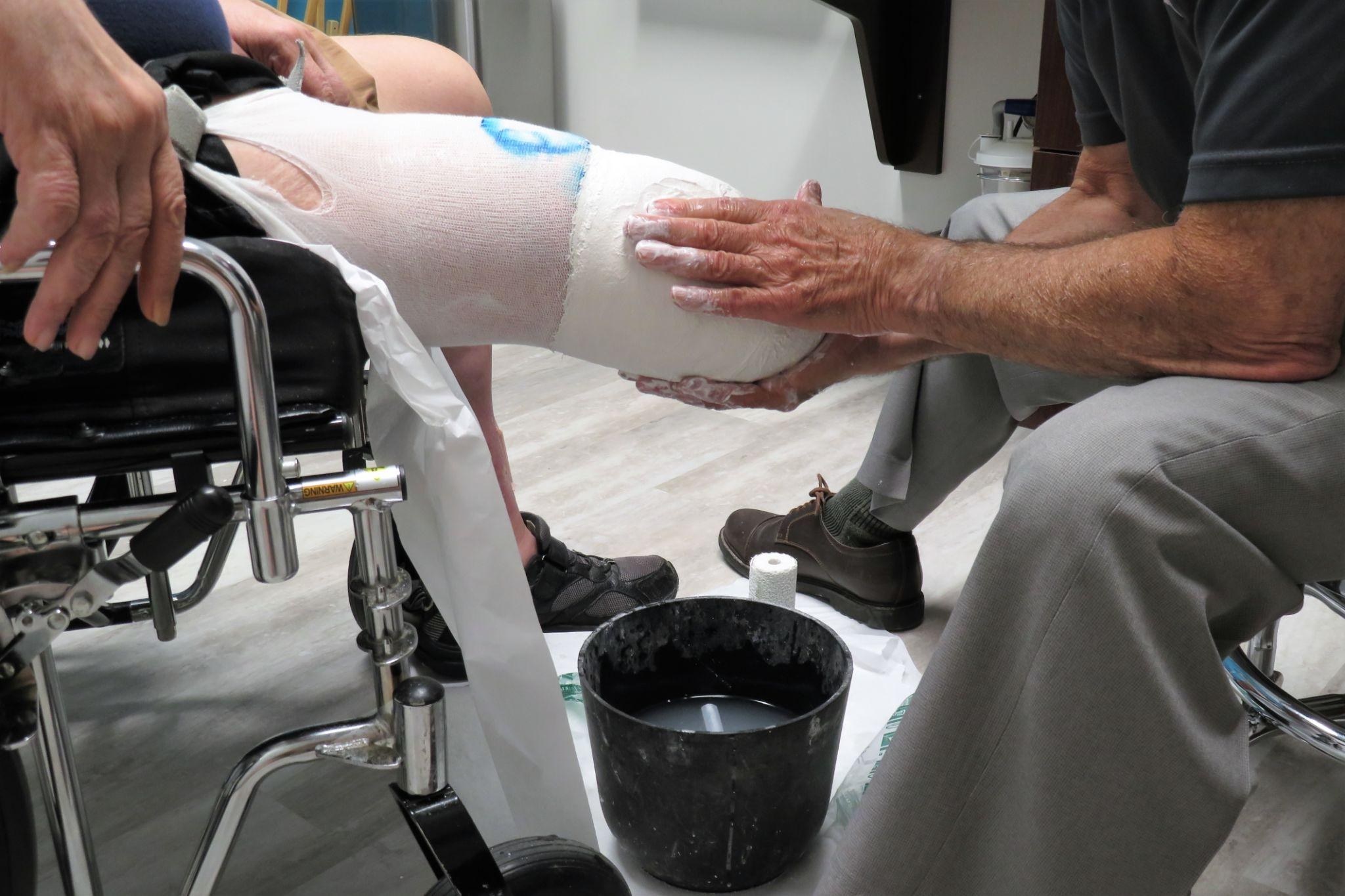
The process typically begins with plaster casting. A clinician wraps the patient’s residual limb in plaster bandages to create a negative mold. A positive model is then cast and manually modified to create pressure relief areas and load-bearing zones. Once the shape is finalized, a socket is thermoformed or laminated around the model.
Although this method has proven effective, it presents several challenges. Creating and modifying plaster models requires significant skill and experience. Small variations in shape can affect comfort, stability, and gait performance. The process is also labor-intensive and often requires multiple patient visits before an acceptable fit is achieved.
As patient demand grows and clinics seek greater efficiency, many organizations are exploring digital alternatives.
Prosthetic fabrication has long been a hands-on craft. Veteran prosthetists rely on plaster casting, manual shaping, and thermoplastic forming to create sockets—a manufacturing process that typically takes two to three days per iteration.
The traditional method begins with wrapping the patient’s residual limb in plaster bandages to create a negative mold. A positive plaster model is then cast, manually modified millimeter by millimeter to adjust pressure zones and load-bearing areas. As many practitioners note, a deviation of even one millimeter can affect gait and comfort.
While proven, this approach is labor-intensive, material-heavy, and highly dependent on individual expertise. Patients often need multiple clinic visits, making the process time-consuming and difficult to scale—especially when compared to 3D printing prosthetics.

How 3D Printing Is Transforming Prosthetics
Modern prosthetic manufacturing increasingly follows a fully digital workflow consisting of three major steps:
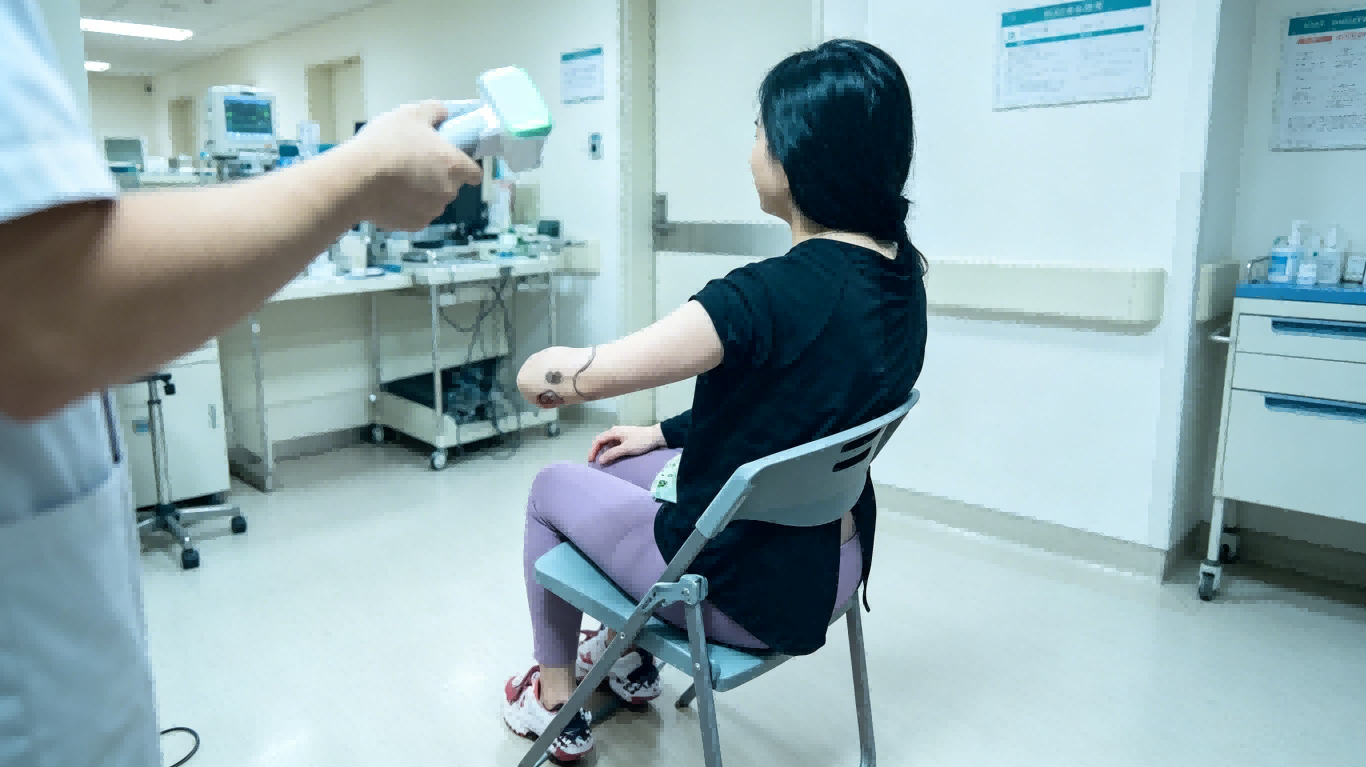
1. 3D Scanning
Using handheld scanners, clinicians can capture an accurate digital model of the residual limb within minutes. Unlike plaster casting, 3D scanning is clean, non-contact, and comfortable for patients.
High-resolution scans capture detailed anatomical information, providing a precise foundation for prosthetic design.
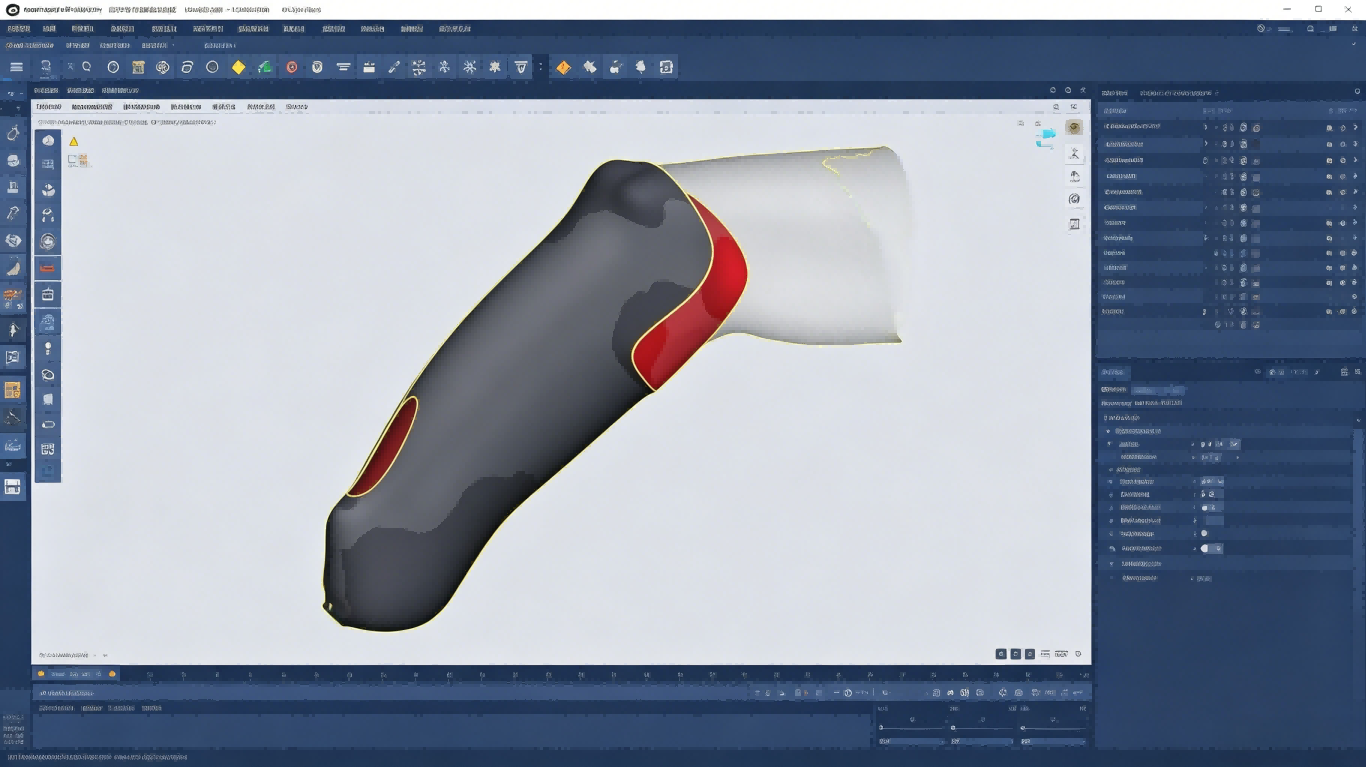
2. Digital Prosthetic Design
The scan data is imported into specialized prosthetic CAD software, where clinicians can modify socket geometry, adjust pressure-sensitive areas, and optimize the design for comfort and performance.
Because the entire process is digital, changes can be made quickly without creating a new physical mold.
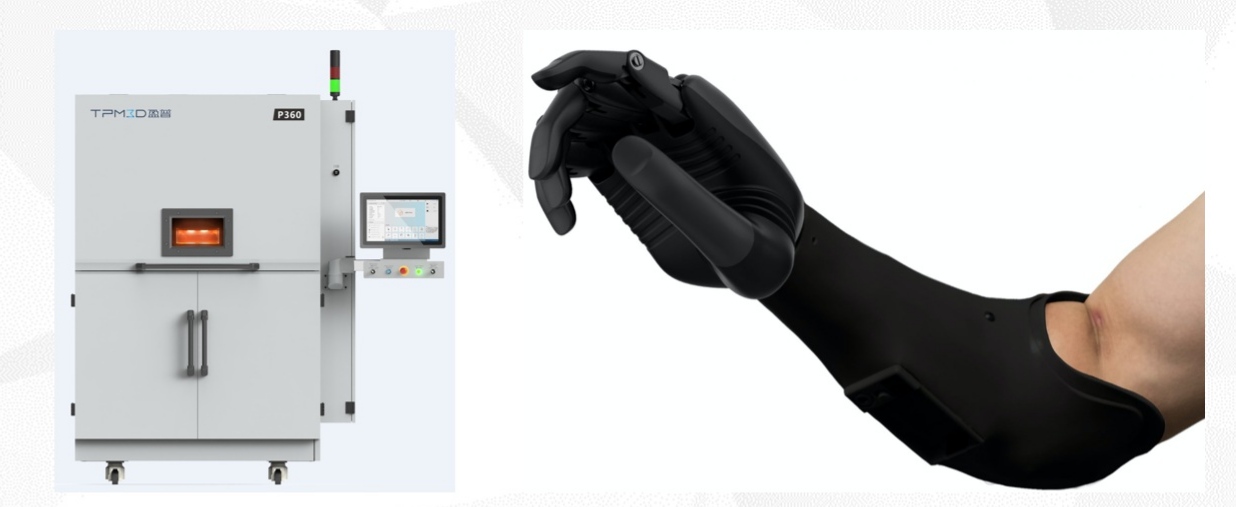
3. Additive Manufacturing
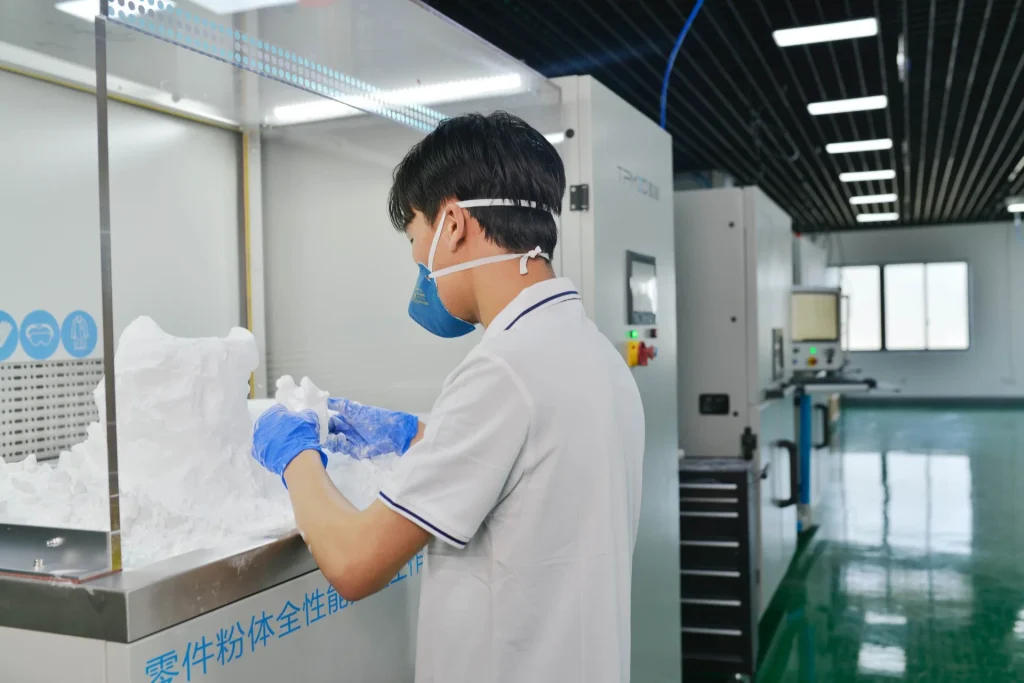
The final design is manufactured using industrial 3D printing technologies such as Selective Laser Sintering (SLS).
These technologies build parts layer by layer from high-performance polymer powders, producing durable and lightweight prosthetic components with excellent dimensional accuracy.
| Feature | Traditional Prosthetics | 3D Printed Prosthetics |
|---|---|---|
| Casting | Plaster mold | 3D scanning |
| Customization | Manual | Digital |
| Lead Time | Days to weeks | Hours to days |
| Revisions | New mold required | Digital modification |
| Data Storage | Physical models | Digital files |
Applications of 3D Printed Prosthetics
While prosthetic sockets remain the most common application, 3D printing prosthetics now extends across a wide range of medical and rehabilitation uses.
Prosthetic Sockets
The socket is the most critical component of a prosthetic system because it directly interfaces with the patient’s residual limb. Digital design and additive manufacturing allow sockets to be customized with exceptional precision, improving comfort and fit.
Prosthetic Limbs
3D printing can be used to manufacture lightweight structural components for upper-limb and lower-limb prostheses. Complex geometries can be optimized to reduce weight while maintaining strength.
Pediatric Prosthetics
Children often require frequent prosthetic replacements as they grow. Digital workflows make it easier to update existing designs and manufacture replacement devices quickly and cost-effectively.
Prosthetic Hands
3D printed prosthetic hands can be customized for specific functional requirements while reducing production lead times and manufacturing complexity.
Cosmetic Covers
Additive manufacturing allows highly personalized cosmetic covers featuring custom patterns, textures, and designs that would be difficult to produce using traditional manufacturing methods.
Materials Used for 3D Printed Prosthetics
Material selection is a key factor in the performance of 3D printed prosthetics. Prosthetic sockets and structural components must combine strength, fatigue resistance, and long-term wear comfort, while remaining lightweight and dimensionally stable.
Among the polymers used in Selective Laser Sintering (SLS) for prosthetic applications, Nylon 11 is widely adopted due to its toughness and flexibility compared with more rigid engineering plastics.
Nylon 11 in Prosthetic Applications
Nylon 11 is commonly used in medical and industrial prosthetic manufacturing because of its balanced mechanical properties. It can absorb repeated mechanical stress without cracking and maintains stable performance under daily loading conditions, making it suitable for prosthetic sockets and functional components.
In SLS-based prosthetic production, Nylon 11 materials are often selected when durability and user comfort are both required, particularly in load-bearing applications such as lower-limb sockets.
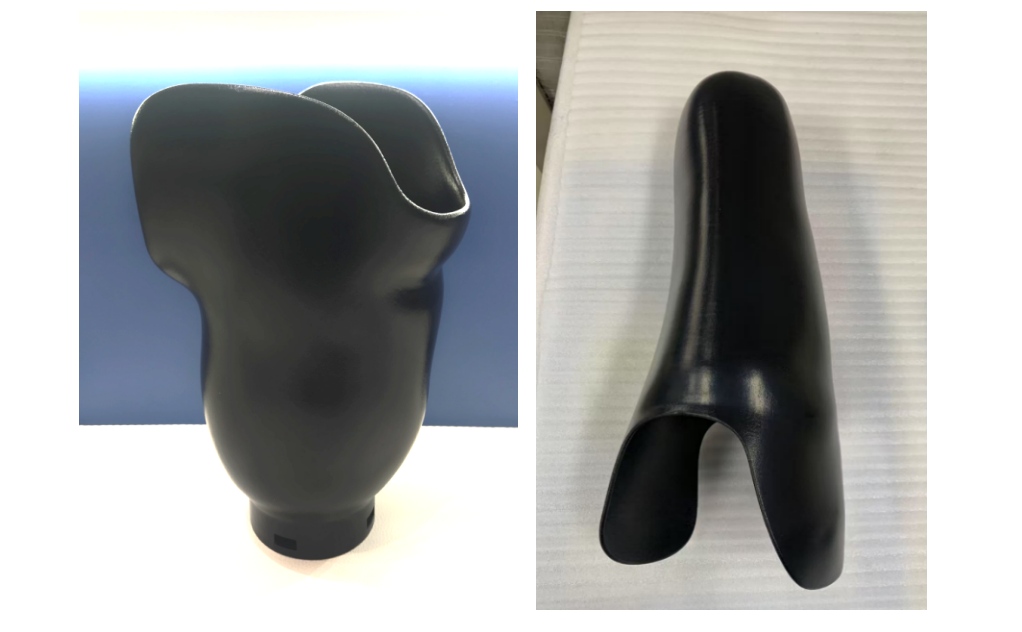
Industrial Nylon 11 Powder: Precimid1180 BLK
In industrial SLS workflows, materials such as Precimid1180 BLK (Nylon 11 powder) are used for producing functional prosthetic parts.
This material is designed for powder-bed fusion processes and is characterized by:
- High impact resistance and toughness
- Strong fatigue performance under repeated stress
- Good flexibility compared with stiffer nylon grades
- Stable processing behavior in SLS systems
- Suitable balance between rigidity and comfort for end-use parts
In prosthetic socket manufacturing, these properties help ensure that the final part can withstand daily mechanical loads while maintaining a comfortable interface with the user’s residual limb.
Because prosthetic devices require both structural reliability and long-term wearability, Nylon 11 materials are often selected where both durability and flexibility are important design requirements.
Industrial SLS Systems Used in Prosthetic Manufacturing
In prosthetic production environments, different sizes of SLS systems are used depending on production scale, workflow structure, and throughput requirements.
Industrial SLS printers are typically categorized by build volume and intended application. Smaller systems are often used in clinic-level production or prototyping workflows, while larger systems are used in centralized manufacturing facilities that serve multiple hospitals or prosthetic providers.
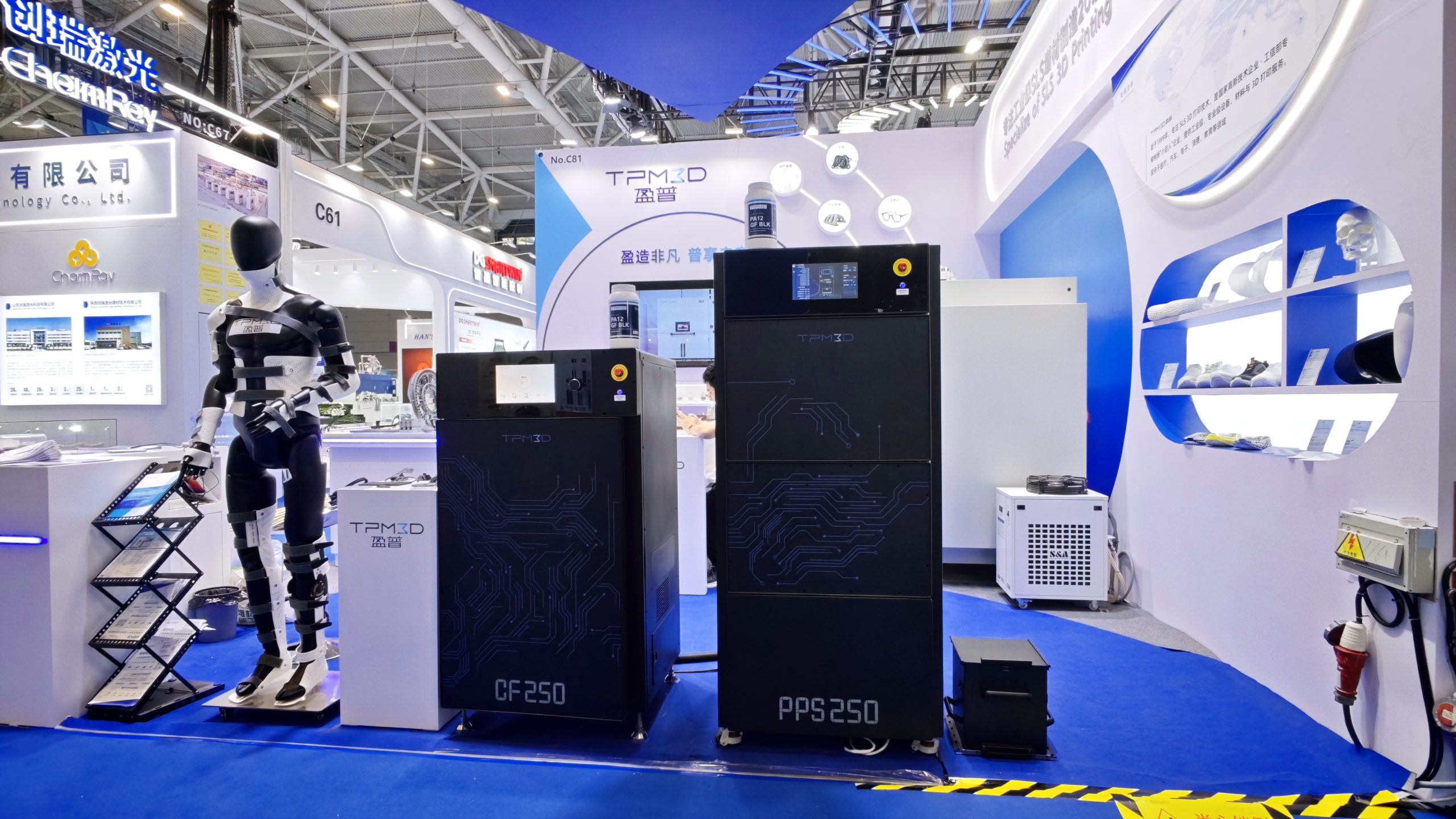
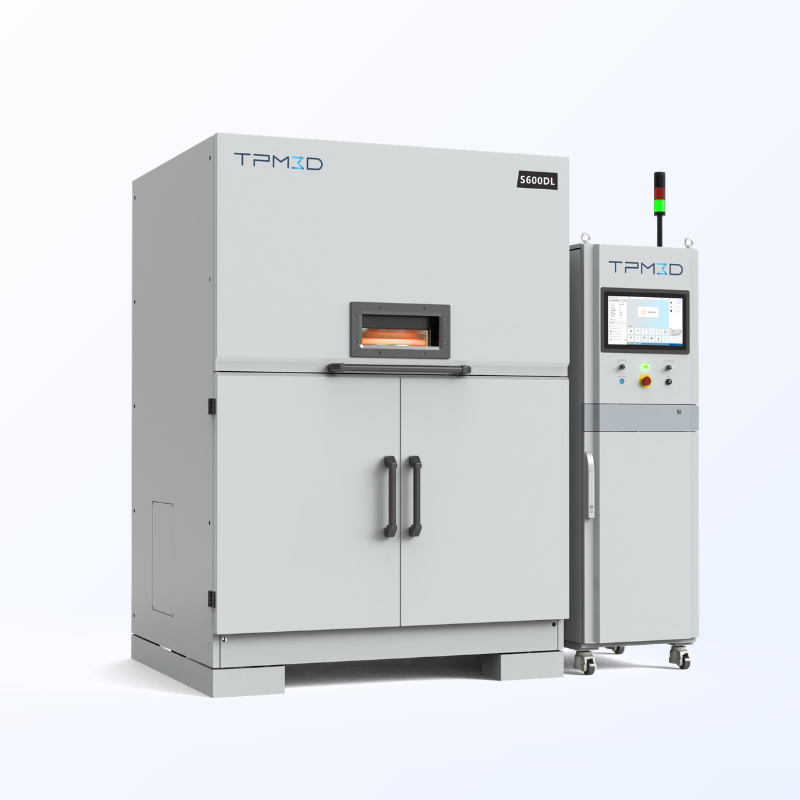
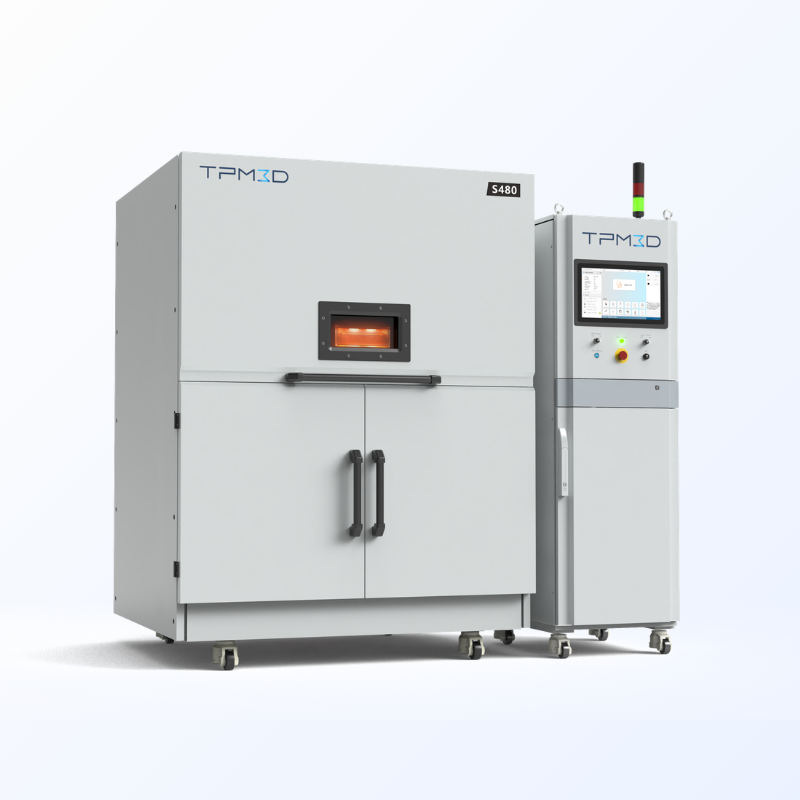
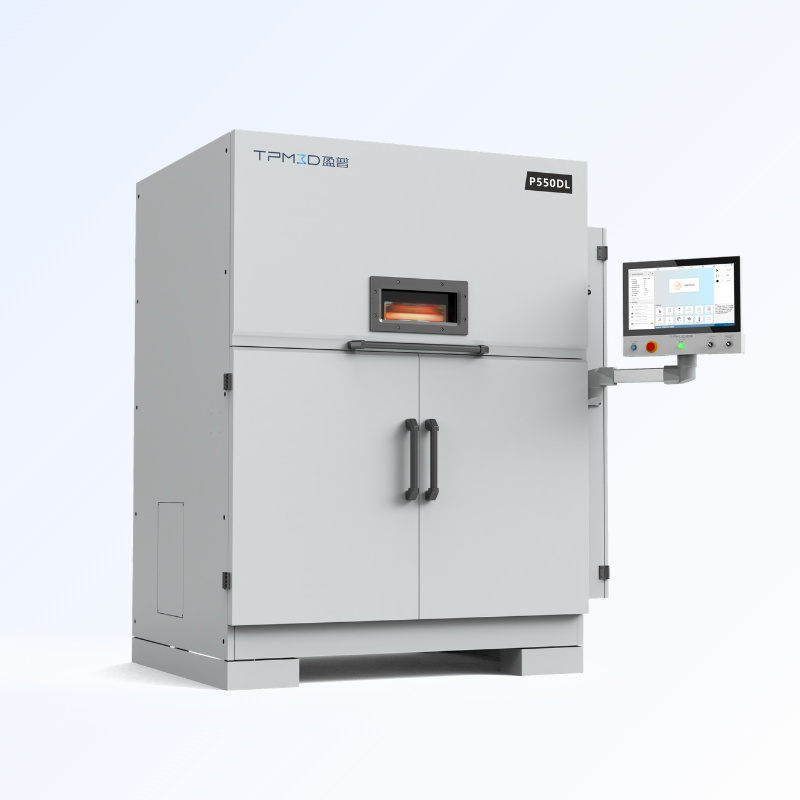
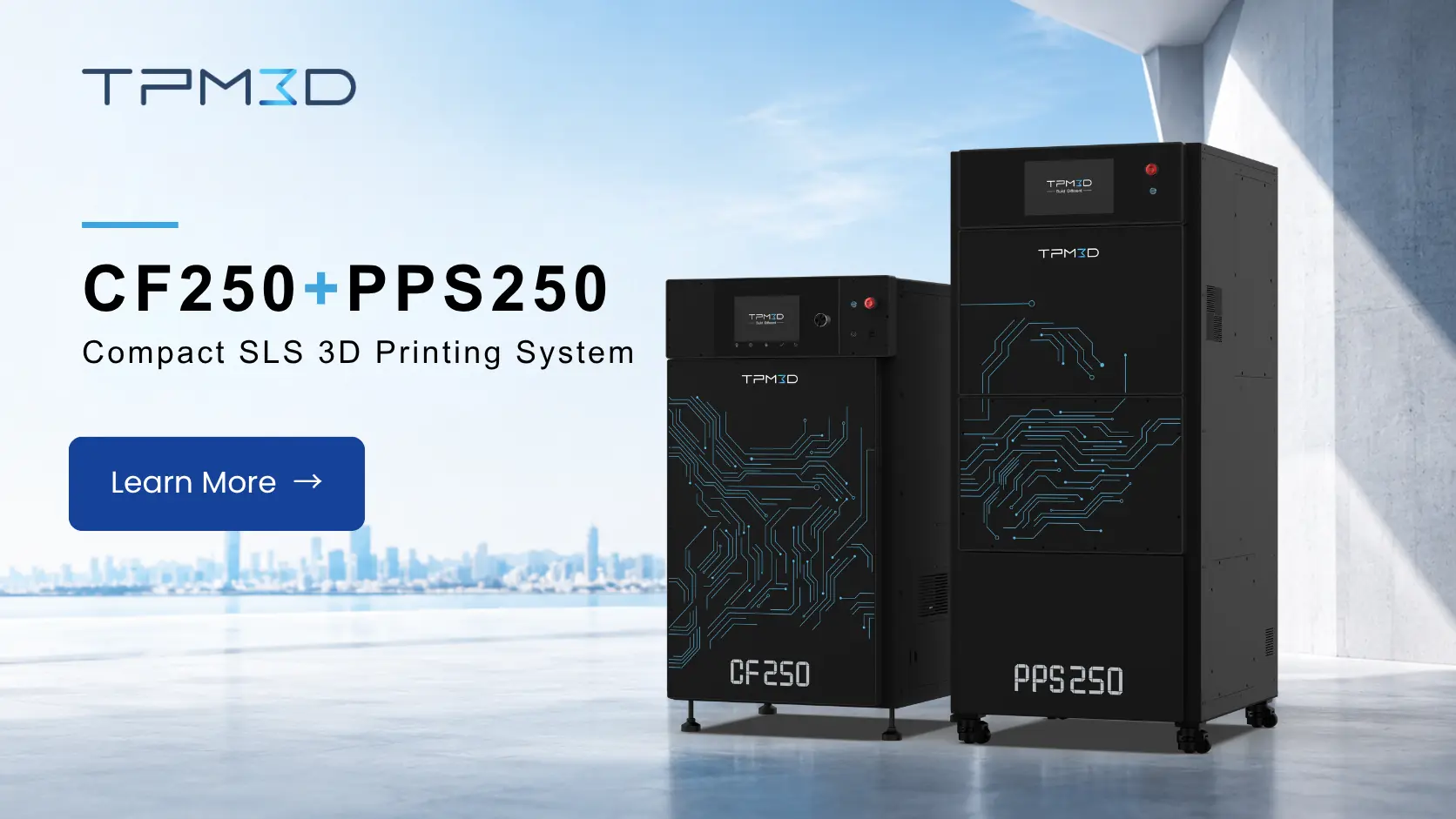
For example, TPM3D offers SLS systems in different build sizes to support a range of prosthetic manufacturing needs:
- Compact systems like the CF200 with a build chamber of 200 x 200 x 320 mm are suitable for smaller production batches, prototyping, and clinic-based workflows where space and volume requirements are limited.
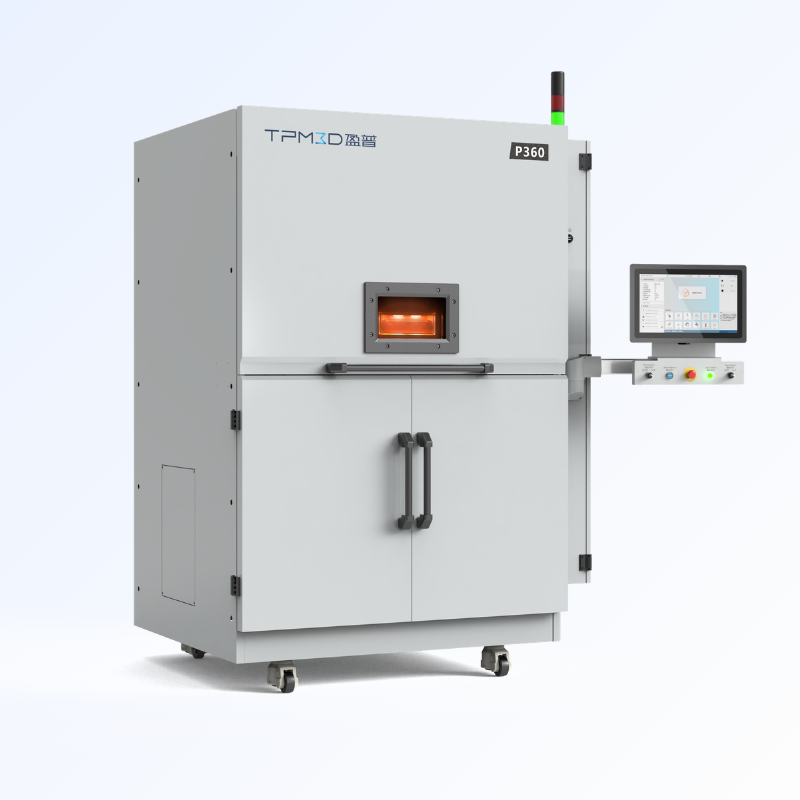
- Mid-size systems like S360, S480 and P360 printers, are commonly used in prosthetic service centers where moderate batch production of sockets and components is required.
- Large-format systems like the P550DL and S600DL, are designed for centralized production environments, enabling higher nesting density and more efficient batch manufacturing of prosthetic parts.
Across these systems, the same digital workflow is typically used—combining 3D scanning, CAD-based design, and SLS manufacturing to produce customized prosthetic components.
This flexibility in system size allows prosthetic manufacturers to scale production capacity while maintaining consistent part quality and repeatability across different operating environments.
Benefits of 3D Printing in Prosthetics
Faster Production
Digital workflows can significantly reduce manufacturing lead times. Designs can be modified and reprinted without rebuilding physical molds.
Improved Customization
Every prosthetic can be tailored to the individual patient’s anatomy, activity level, and comfort requirements.
Enhanced Precision
3D scanning captures anatomical details with sub-millimeter accuracy, helping clinicians achieve more consistent socket fit.
Easier Iteration
Digital files can be stored indefinitely and updated whenever changes are required.
Scalable Manufacturing
Centralized production centers can manufacture prosthetics for multiple clinics while maintaining consistent quality standards.
Limitations and Challenges
Despite its advantages, 3D printing is not a universal solution.
Equipment Investment
Industrial-grade printers, scanners, and software require significant upfront investment.
Training Requirements
Clinicians must learn digital design tools and scanning techniques to fully utilize digital workflows.
Post-Processing
Printed components often require cleaning, finishing, and quality inspection before use.
Regulatory Considerations
Medical devices must meet applicable regulatory and quality requirements, which vary by region.
Real-World Examples of 3D Printed Prosthetics
Digital prosthetic manufacturing is already being adopted globally.
In the United States, MMA athlete Rustin Hughes replaced a heavy, uncomfortable traditional prosthesis with a digitally manufactured solution that fits precisely and can be adjusted in seconds.
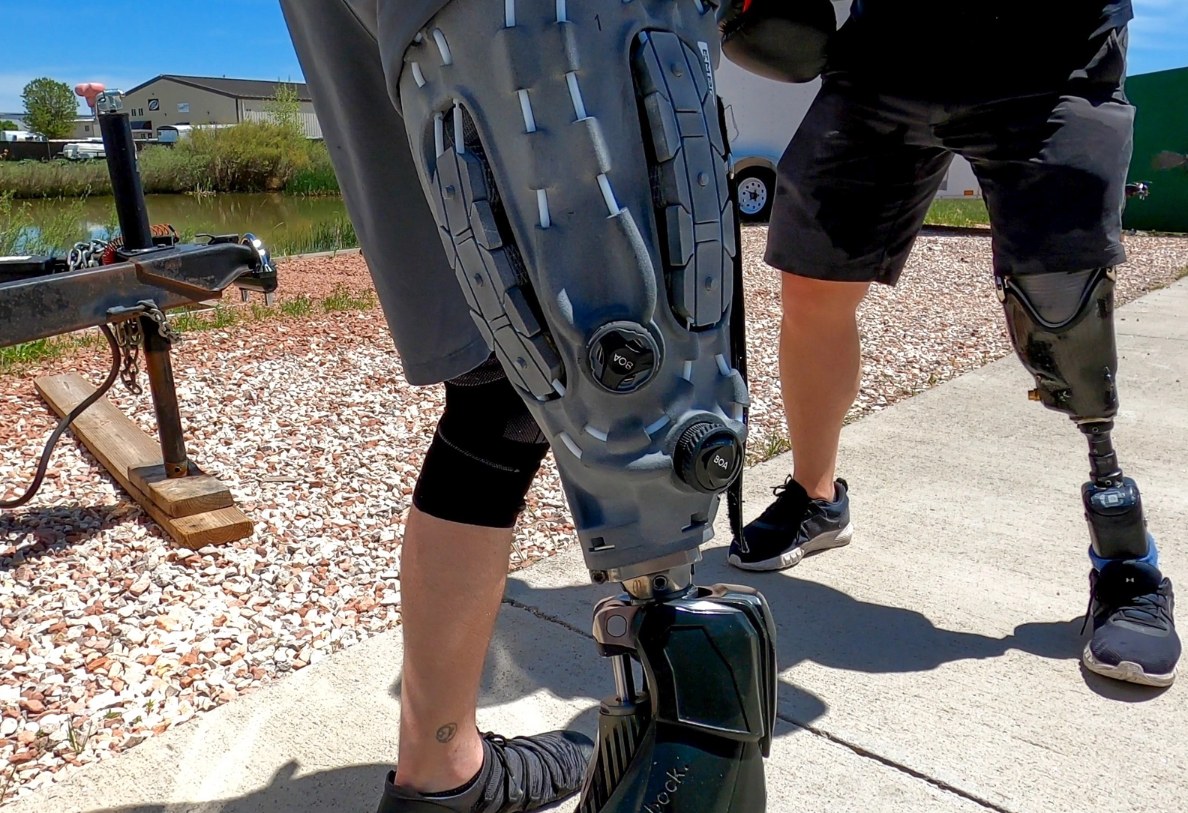
In Europe, companies such as Bulgaria-based ProsFit use cloud-based platforms to allow clinicians to design and order custom 3D printed prosthetics remotely. In India, government-led initiatives have deployed 3D printing technology to deliver customized 3D-printed prosthetic limbs with dramatically improved comfort and mobility.
Clinicians and researchers worldwide are embracing digital tools at an accelerating pace, while universities explore next-generation solutions that integrate AI, robotics, and advanced prosthetic design.
The Future of Digital Prosthetics
The future of prosthetics is becoming increasingly digital.
Advances in 3D scanning, artificial intelligence, biomechanical simulation, and additive manufacturing are expected to further improve fit, comfort, and clinical outcomes.
As industrial 3D printing technologies continue to mature, prosthetic devices will become faster to manufacture, easier to customize, and more accessible to patients around the world.
The transition from manual craftsmanship to data-driven manufacturing is not simply a technological upgrade—it represents a fundamental transformation in how prosthetic care is delivered.
FAQ: 3D Printed Prosthetic Limbs
What are the advantages of 3D printed prosthetics?
3D printed prosthetics offer faster production, greater customization, improved precision, reduced material waste, and easier future modifications compared to traditional fabrication methods.
What materials are used for 3D printed prosthetics?
Common materials include PA11, PA12, TPU, and reinforced polymer composites, depending on the performance requirements of the application.
How does 3D scanning improve prosthetic fit?
3D scanning captures highly detailed anatomical data that can be used to design a prosthetic socket specifically tailored to the patient’s residual limb.
Are 3D printed prosthetics suitable for children?
Yes. Because digital designs can be modified quickly, 3D printing is particularly valuable for pediatric patients who require frequent prosthetic adjustments as they grow.
Can prosthetics be manufactured remotely?
Yes. A patient can be scanned locally while design and manufacturing are completed remotely using digital workflows.
Are 3D printed prosthetics durable enough for daily use?
Industrial-grade prosthetic components manufactured using technologies such as SLS and MJF can provide mechanical performance suitable for long-term daily use when designed and validated appropriately.
Read more: