
Industrial SLS 3D Printers for High-Performance Manufacturing
TÜV CE-certified SLS systems engineered for automotive, machinery & electronics, medical, and advanced polymer production.
TÜV CE Certified
International safety certification
PL-e Safety Standard
Highest level of functional safety
Active Cooling
Stable performance, 24/7 production
Global Installations
Trusted by customers worldwide
Material Compatibility
PA12 / PA11 / TPU / PEEK and more
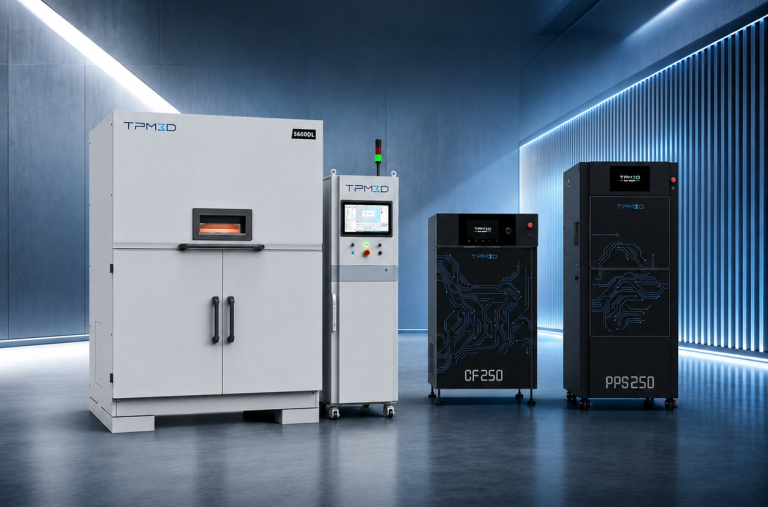
S Series 3D Printer Models
Choose the SLS 3D printer that fits your application, part size, and production goals.
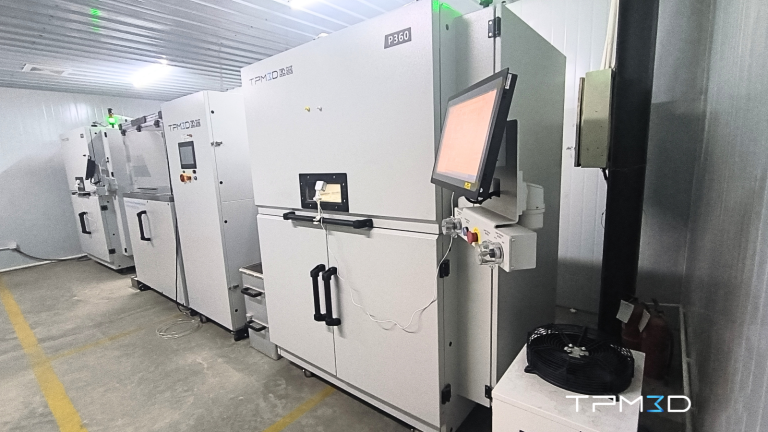
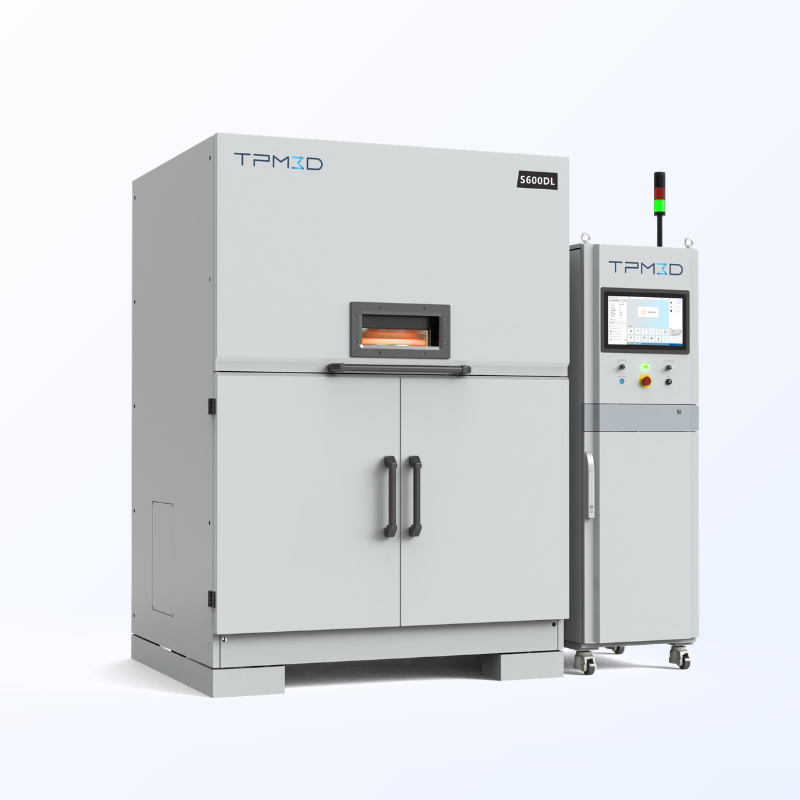
· Build Chamber: 600 x 600 x 800 mm
· Laser: 140W x 2 Double Laser
· Building Speed: 10~25 mm/h
· Max Scanning Speed: 25000 mm/s
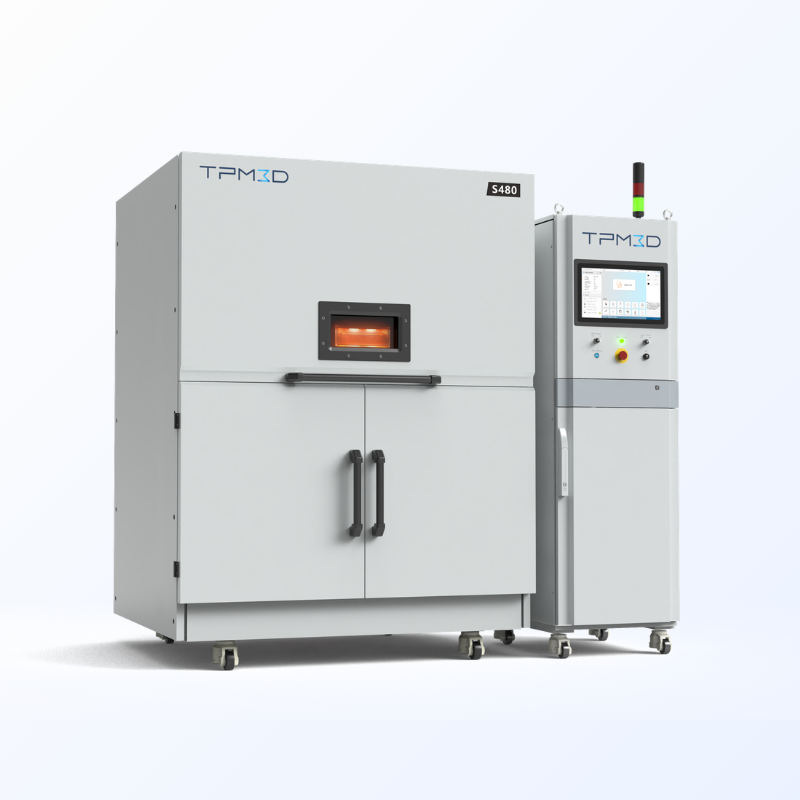
· Build Chamber: 480 × 480 × 600 mm
· Laser: 100W
· Building Speed: 10~25 mm/h
· Max Scanning Speed: 21,000 mm/s
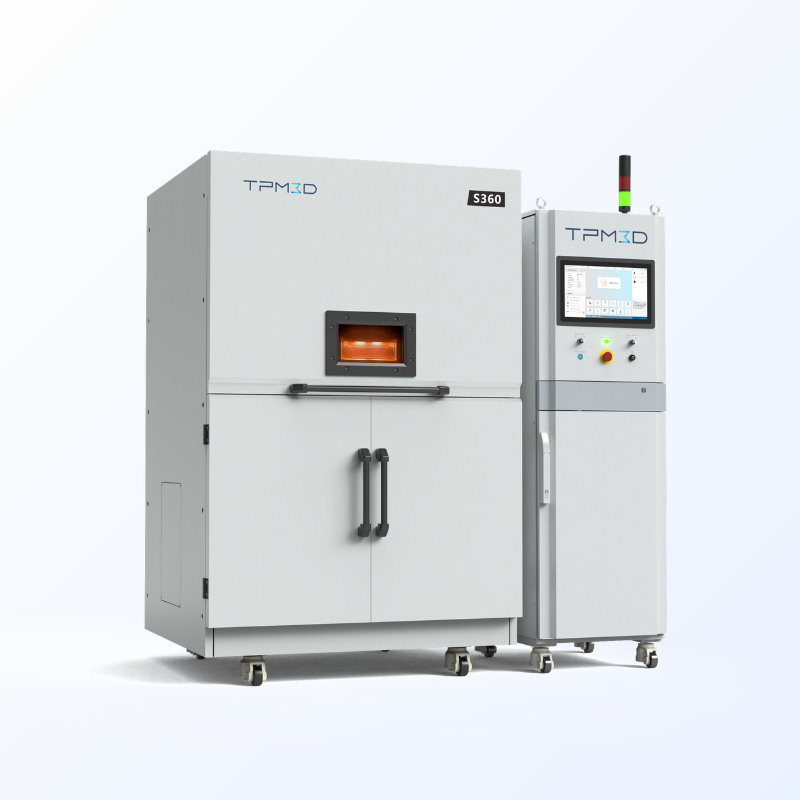
· Build Chamber: 360 × 360 × 600 mm
· Laser: 60W
· Building Speed: 10~25 mm/h
· Max Scanning Speed: 15,000 mm/s
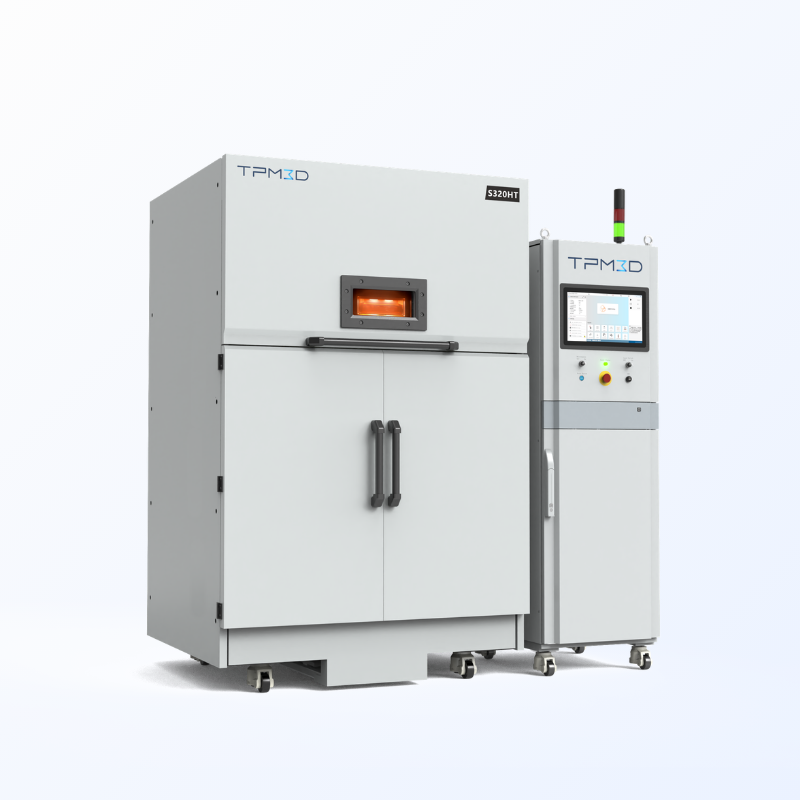
· Build Chamber: 320 × 320 × 380 / 250 × 250 × 380 mm
· Laser: 60W
· Building Speed: 10~25 mm/h
· Max Operating Temp: 350/300 °C
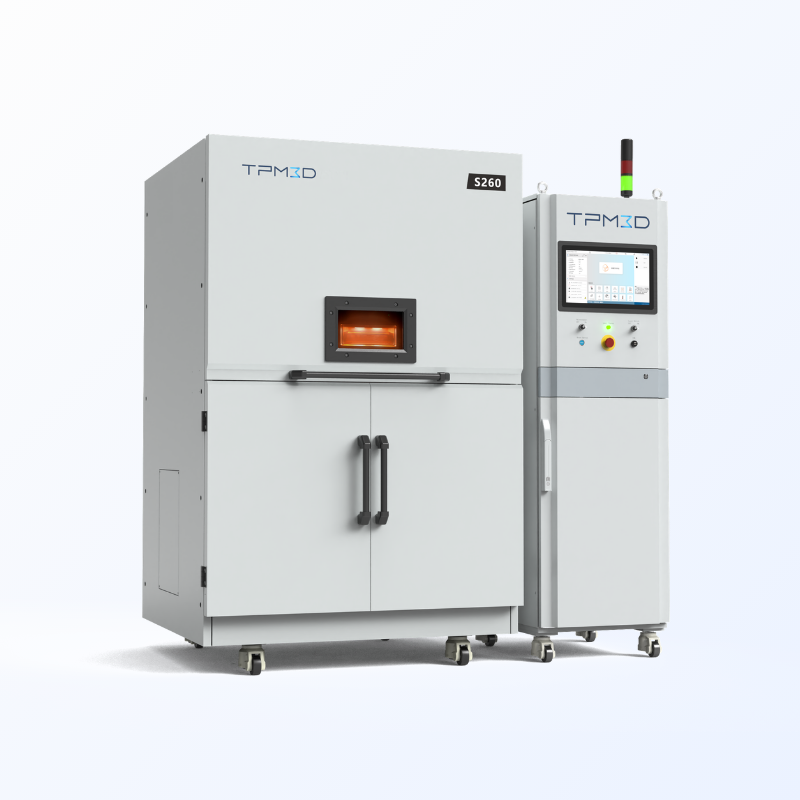
· Build Chamber: 260×260×450 mm
· Laser: 30W
· Building Speed: 10~25 mm/h
· Max Scanning Speed: 8,000 mm/s
Watch the S Series in Action
Explore the core strengths of the S Series in this short video—from TÜV CE-certified safety to patented active cooling, versatile material support, and operator-friendly design.
Industries We Empower
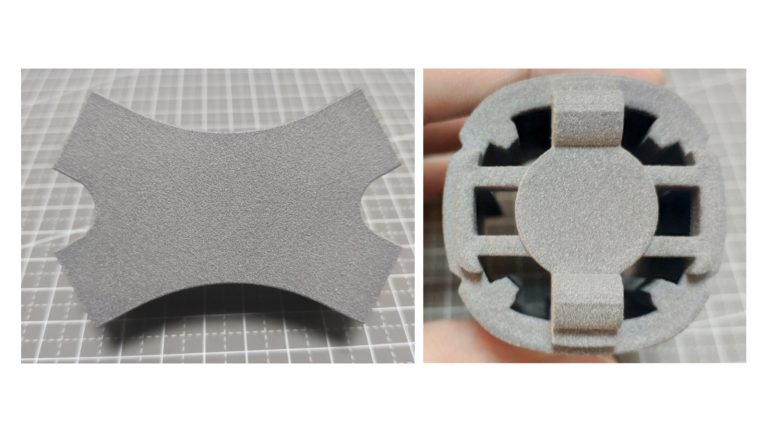
SLS technology enables strong, functional parts for demanding industrial applications.

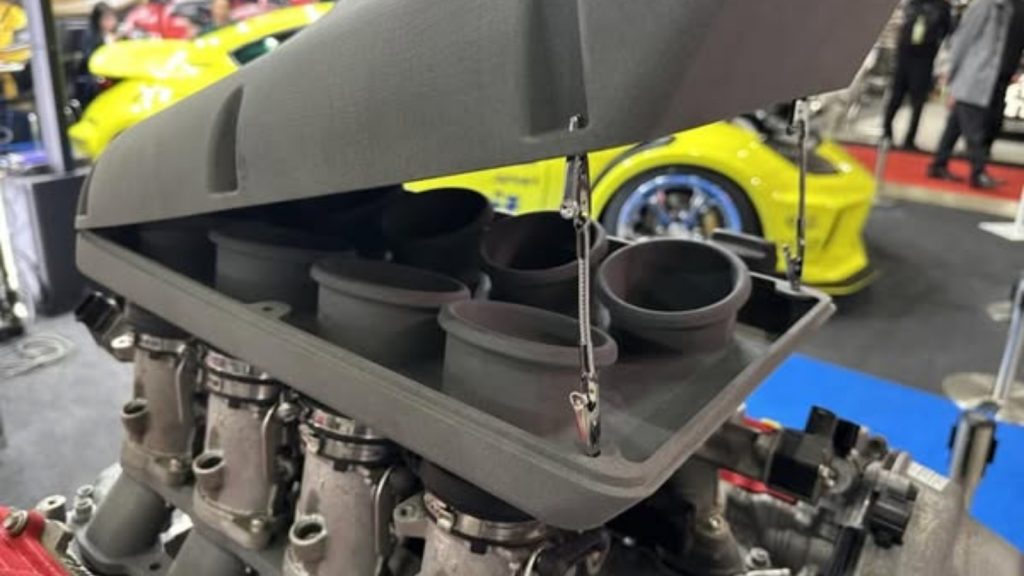
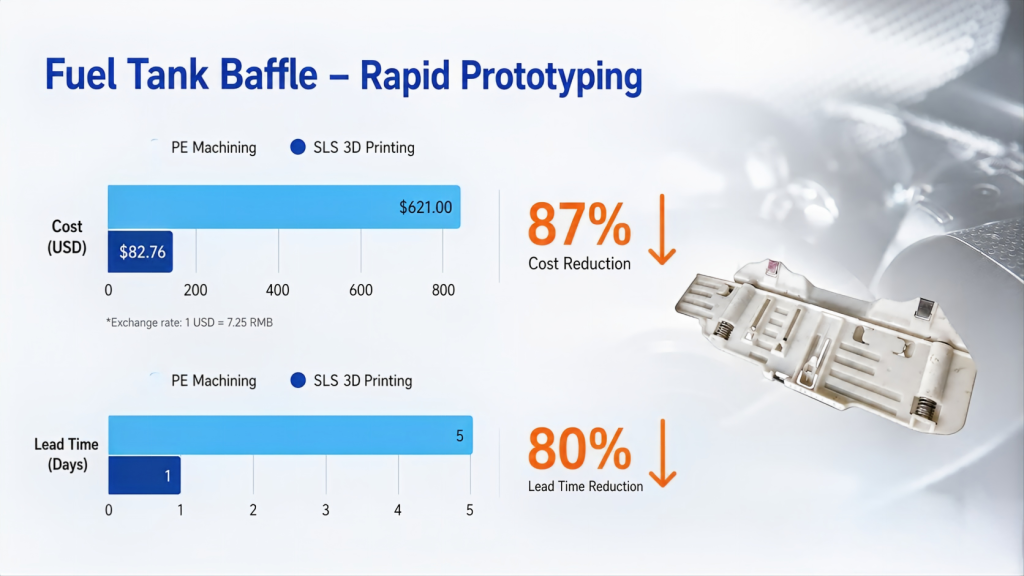
Automotive
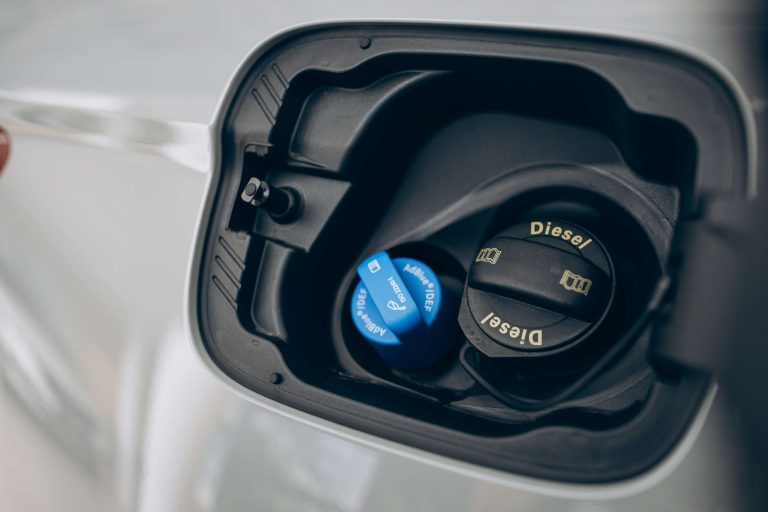
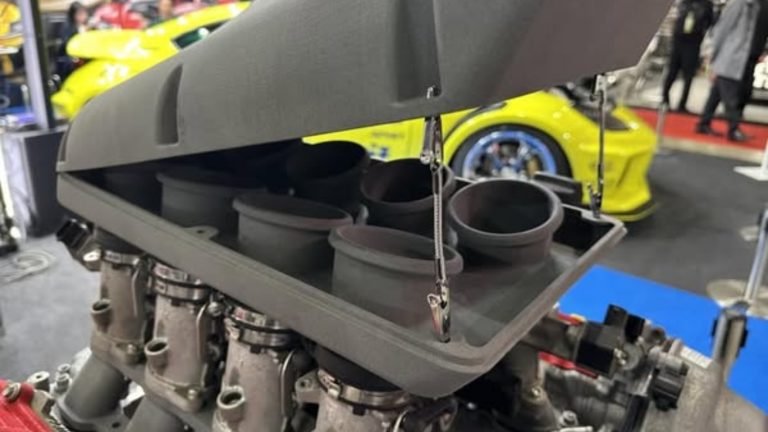
End-use parts, jigs & fixtures, and functional prototypes for rigorous testing.
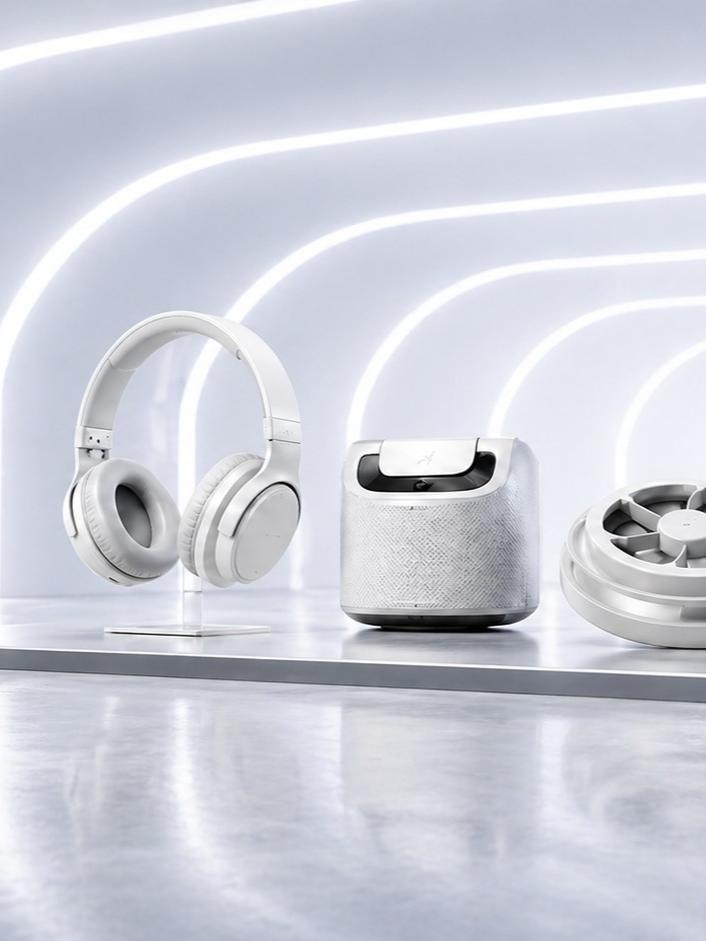
Electronics
Accelerate R&D with rapid appearance and structure validation.
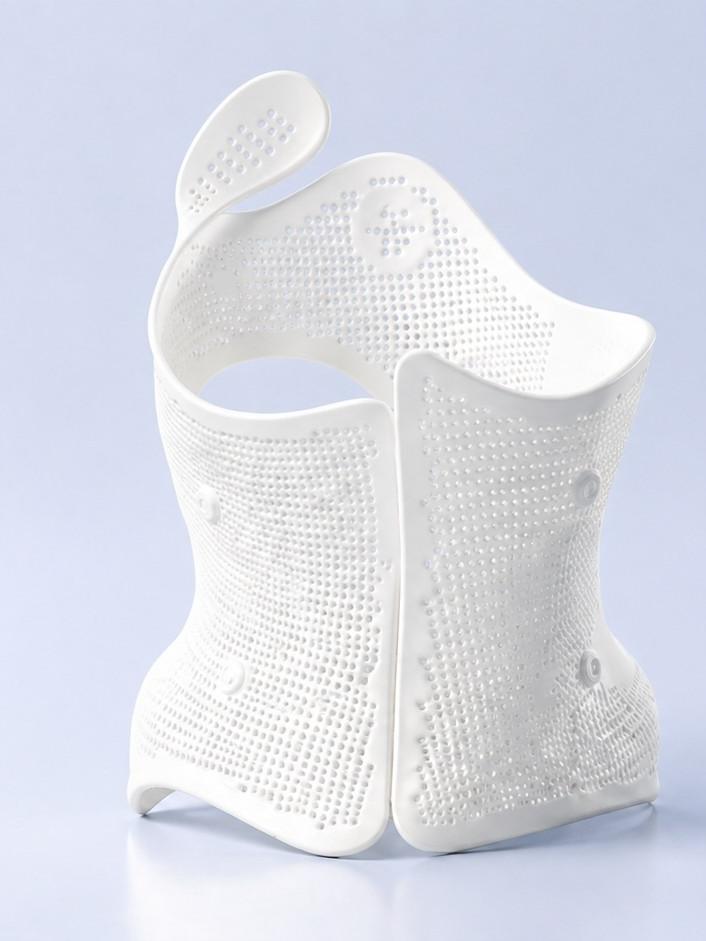
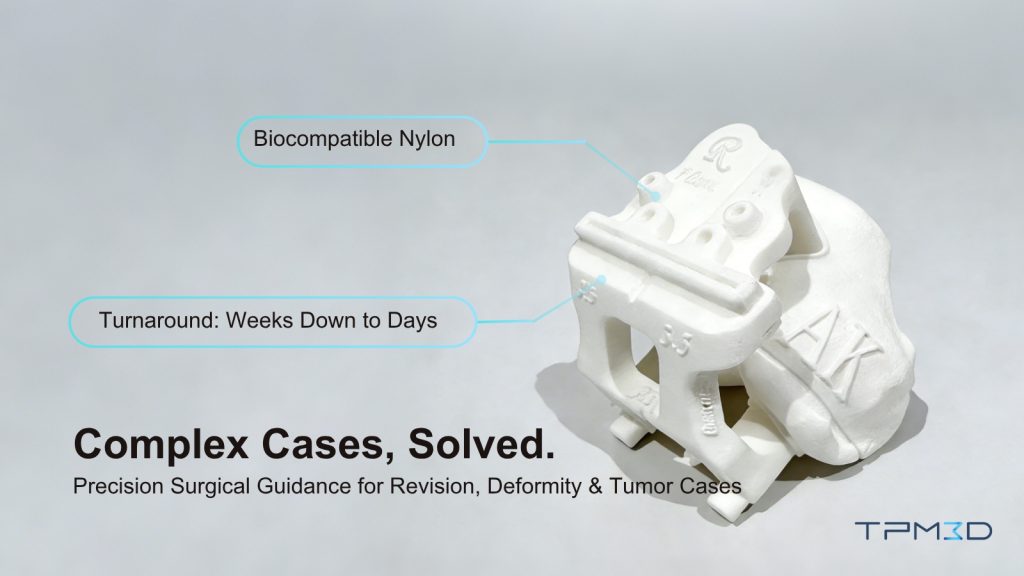
Medical
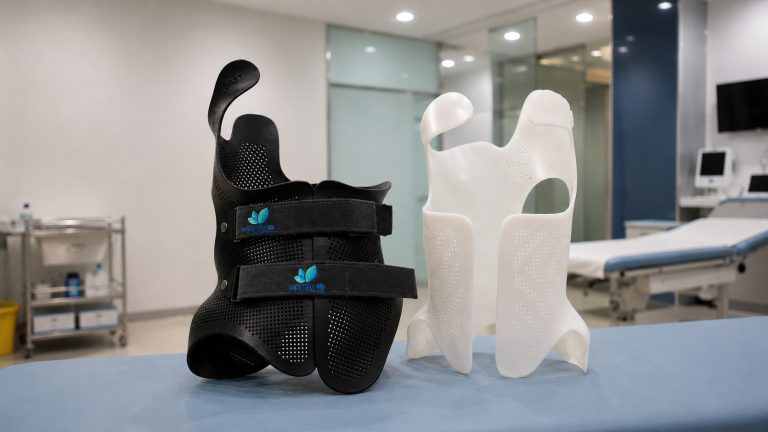
Biocompatible materials for surgical guides, medical devices and custom parts.

Consumer Goods
Durable, complex parts for performance-driven consumer products.
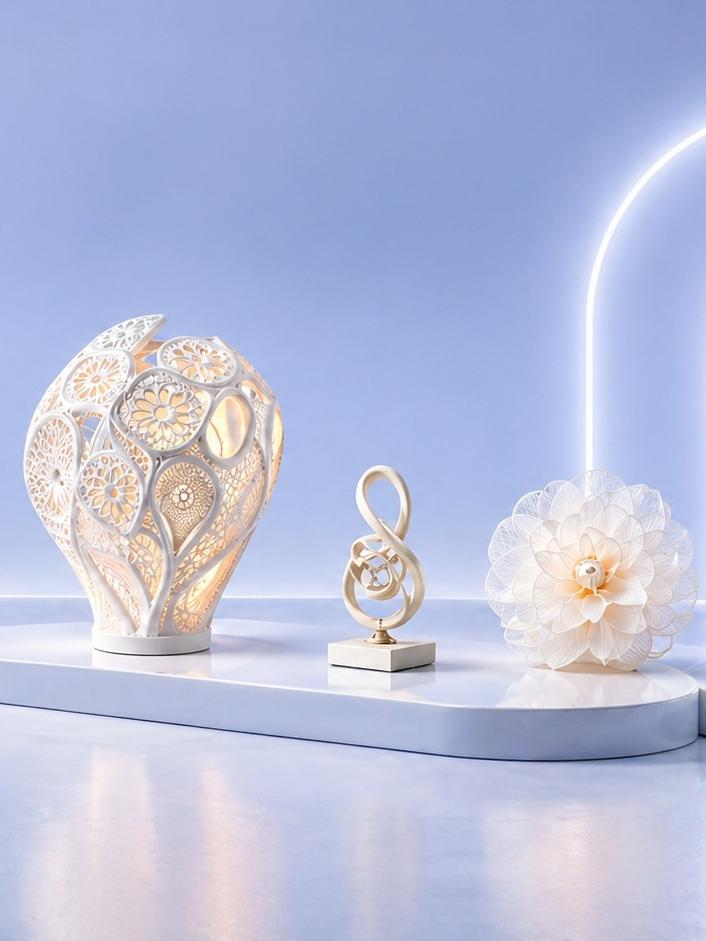
Education & Arts
From large-scale sculpture to futuristic fashion, giving form to the most complex and imaginative ideas.
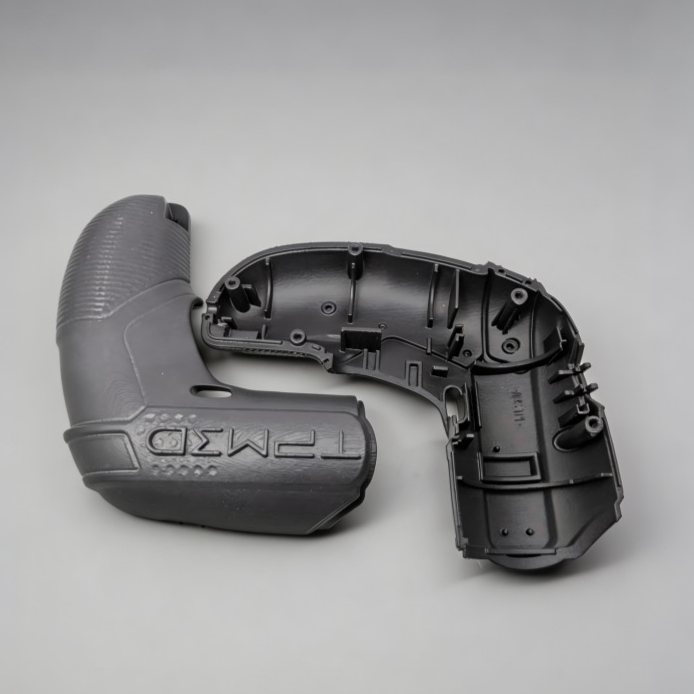
Wide Range of SLS Materials
Work with high-performance polymers for divers applications.

PA12
A balanced combination of strength, surface quality, and dimensional stability.
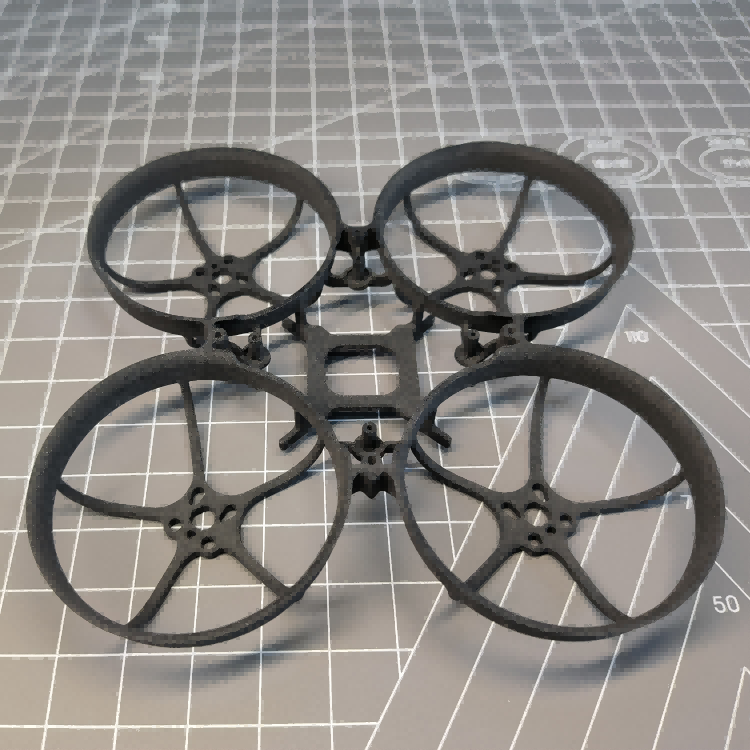
PA11
Combine toughness and flexibility for lightweight applications that require durable performance.
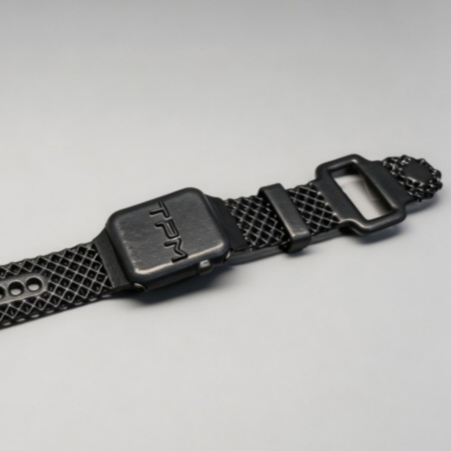
TPU
Flexibility, elasticity, and wear resistance for soft-touch and impact-resistant applications.
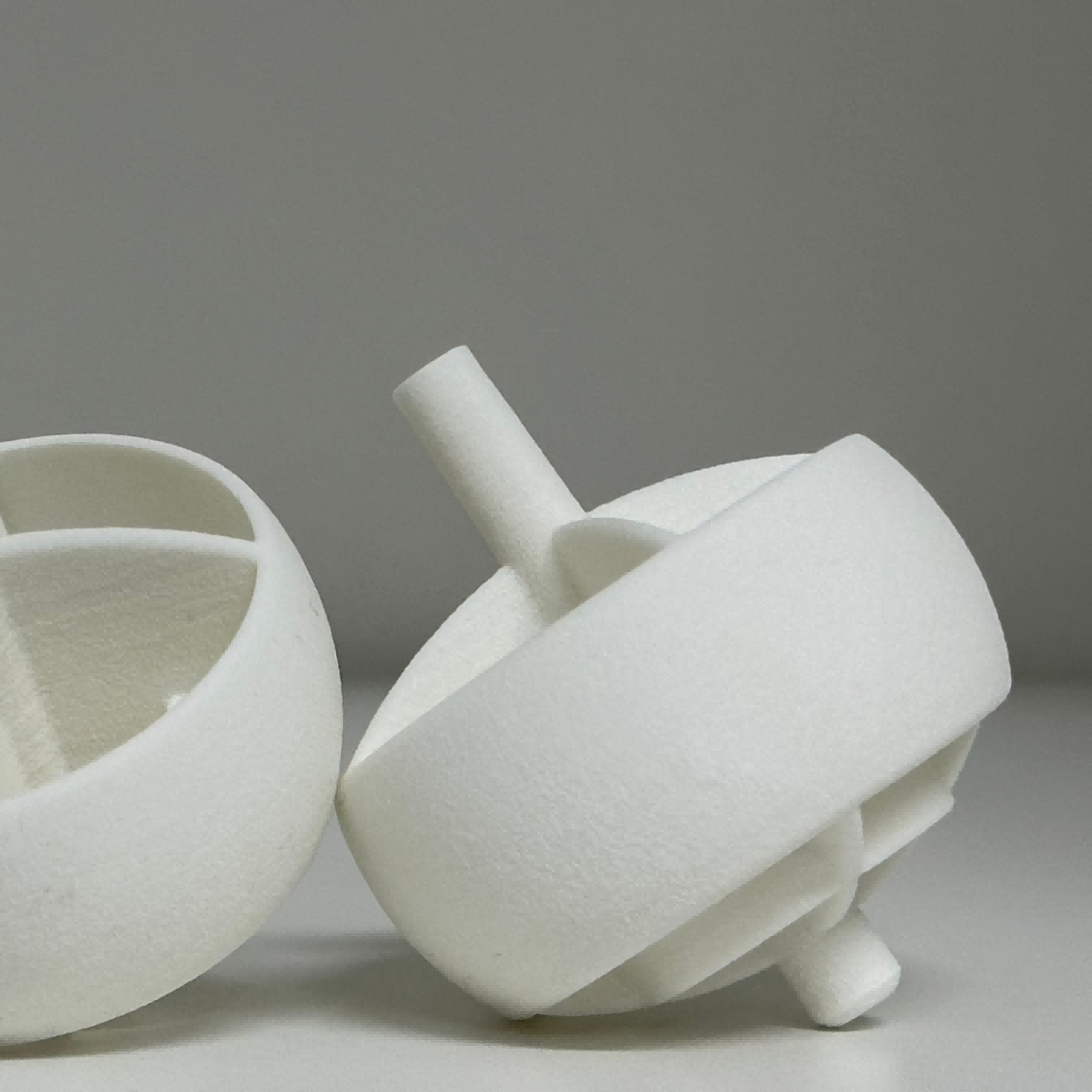
PP
Lightweight performance, chemical resistance, and durability for functional components.
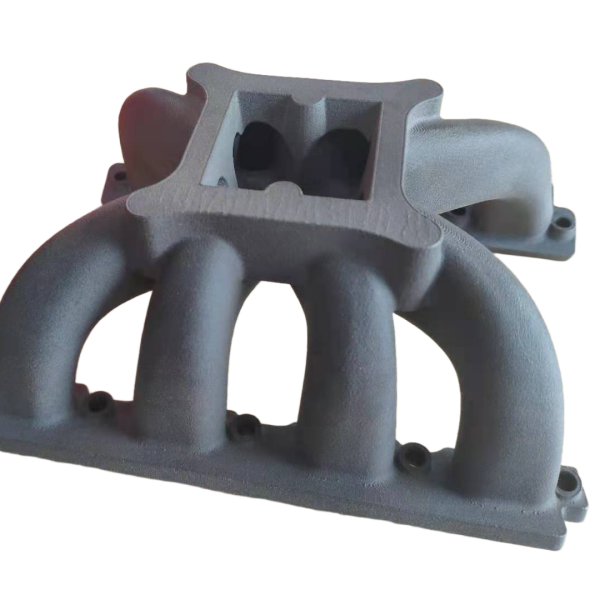
PA6X
Designed for applications requiring higher mechanical strength and thermal performance.
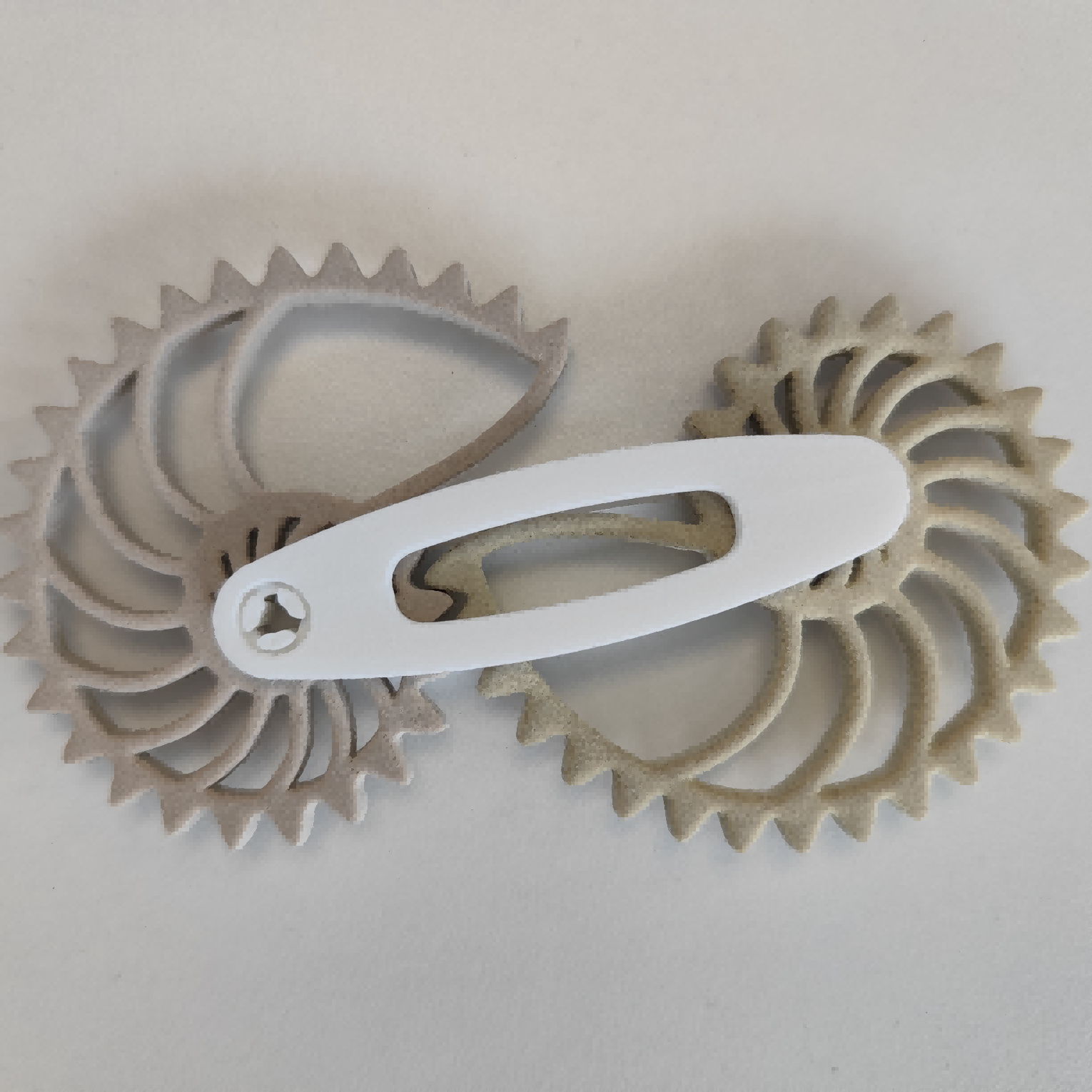
PEEK & PEKK
Heat resistance, mechanical strength, and chemical stability for demanding applications.
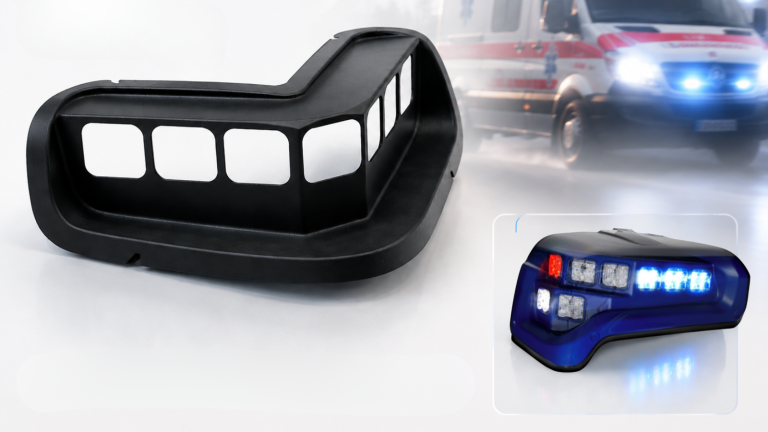
Proven Performance Across Industries
The S Series 3D printers are widely adopted for both prototyping and end-use part production in key sectors, including Automotive, Medical, Education & Creative, Aerospace, Material R&D, and more.
Frequently Asked Questions
What is an SLS 3D printer?
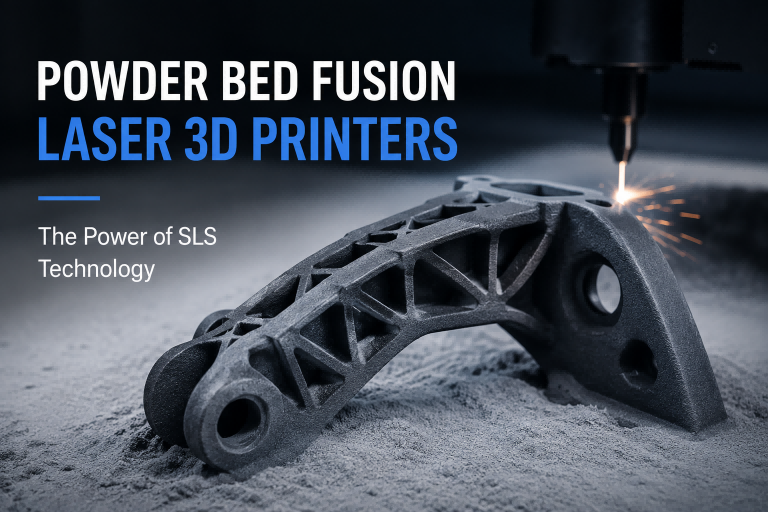
Selective Laser Sintering (SLS) is an additive manufacturing technology that uses a laser to fuse polymer powder layer by layer, enabling the production of durable and complex functional parts without support structures.
What materials are compatible with the TPM3D S Series?
The TPM3D S Series supports a wide range of polymer materials, including PA12, PA11, TPU, PP, PA6X, PPS, PEEK, and PEKK, depending on the printer model and application requirements.
Which industries use TPM3D S Series printers?
The S Series is used across industries including automotive, medical, electronics, aerospace, consumer products, education, and material research for both prototyping and end-use part production.
What is the difference between the S600DL, S480, S360, S320HT, and S260?
Each model is designed for different production needs, build sizes, and material requirements. The S600DL offers large-format dual-laser production, while the S320HT is optimized for high-temperature materials such as PEEK and PEKK.
Can TPM3D SLS printers produce end-use parts?
Yes. TPM3D SLS printers are designed for both rapid prototyping and low- to mid-volume production of functional end-use parts with strong mechanical performance.
What are the advantages of dual-laser SLS printing?
Dual-laser systems can improve productivity by increasing scanning efficiency and reducing build times, especially for large-format or high-volume production.
What safety standards do the S Series printers meet?
The S Series is TÜV CE-certified and designed to meet PL-e functional safety standards for industrial manufacturing environments.
How do I choose the right SLS printer for my application?
The right system depends on your required build size, material compatibility, production volume, and application needs. Our team can help recommend the most suitable S Series model for your workflow.