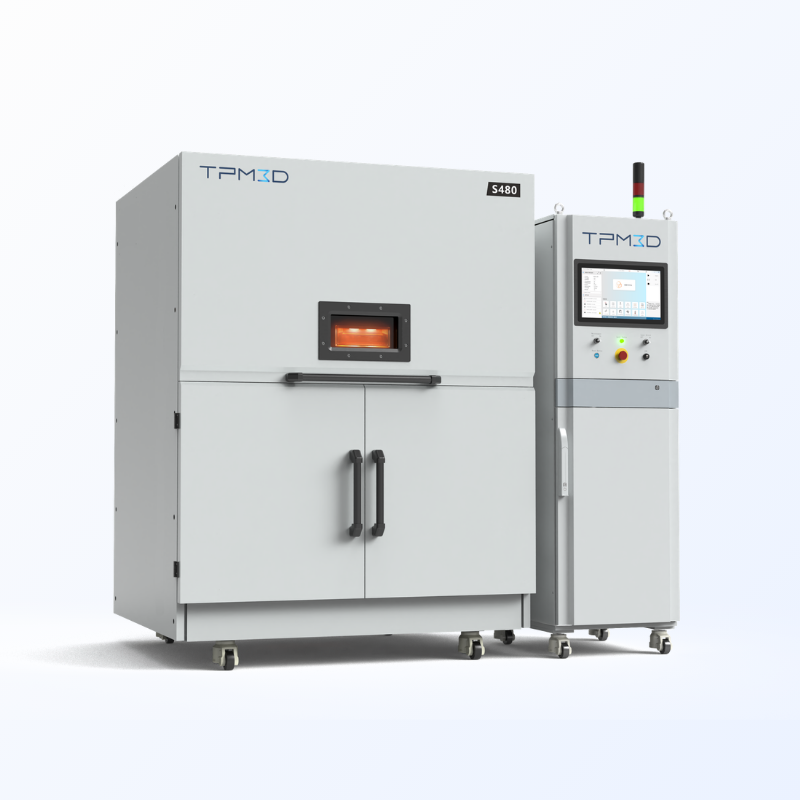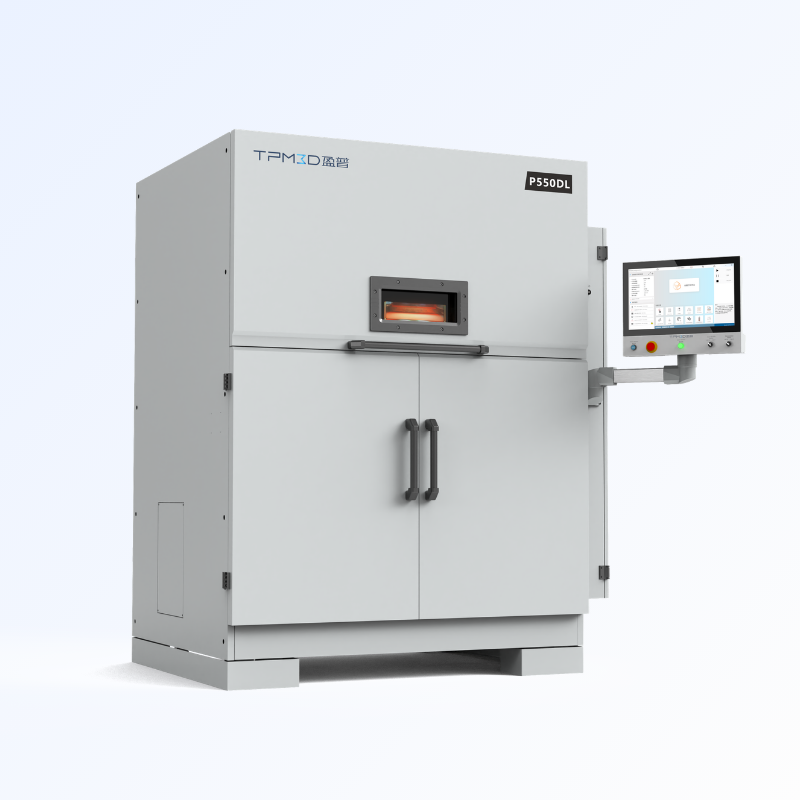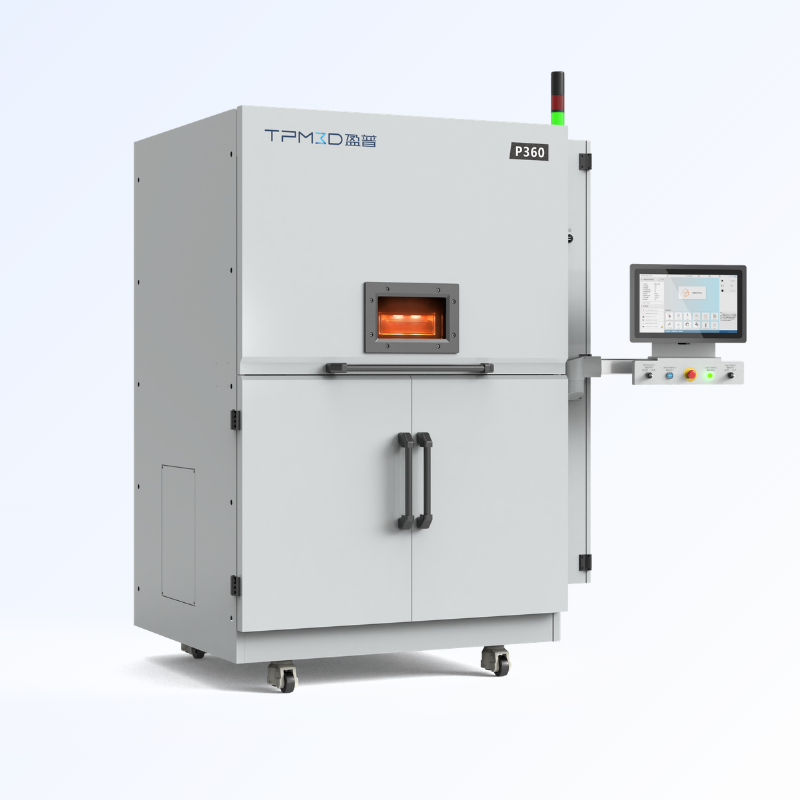
The patented process combines SLS 3D printing, vapor smoothing, and supercritical CO₂ foaming to produce lightweight, flexible footwear components. 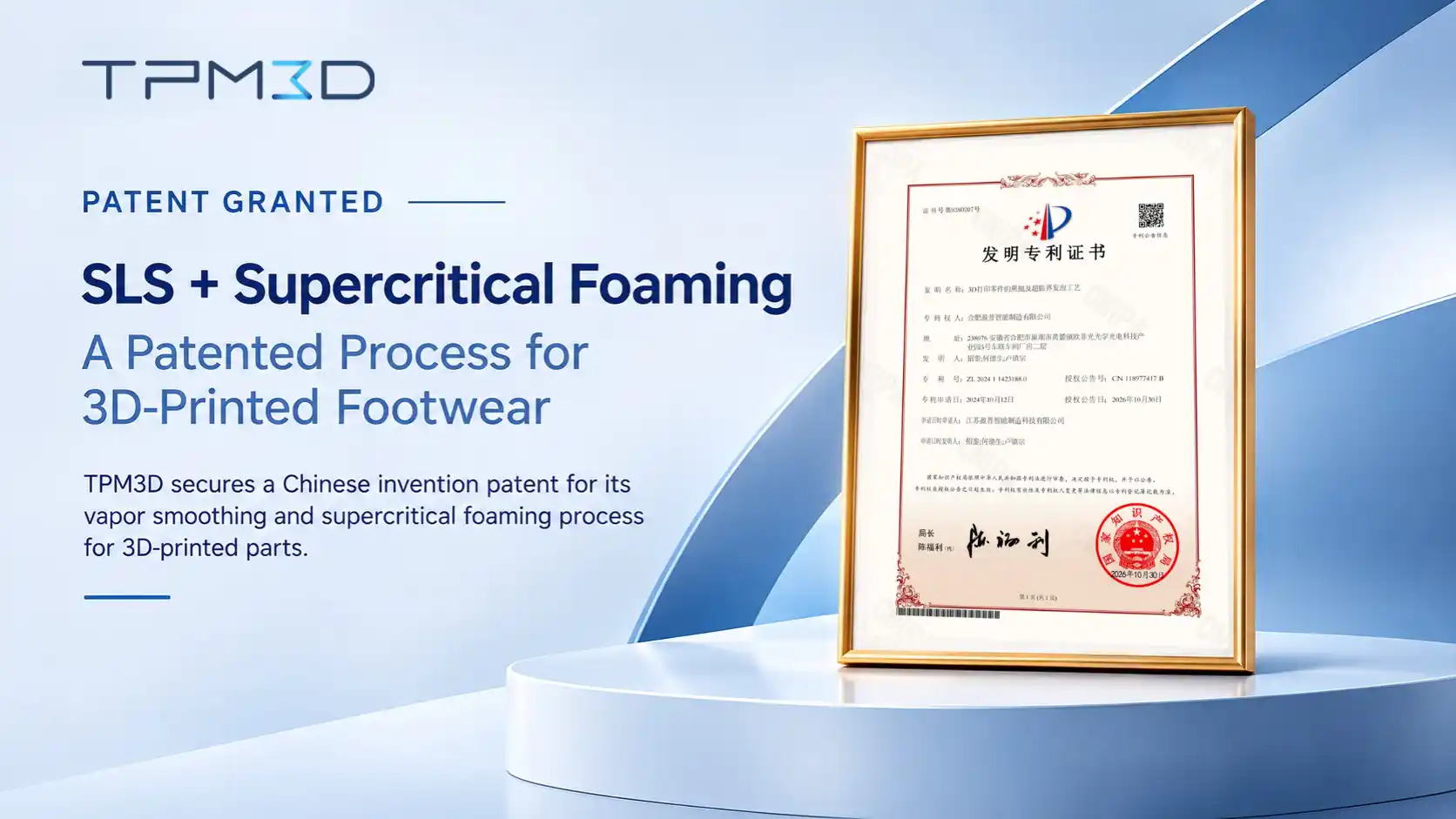
Footwear manufacturing has evolved considerably since the introduction of vulcanized rubber in 1839. From EVA foam midsoles to air cushioning and, more recently, 3D-printed lattice structures, advances in materials and manufacturing processes have continued to influence footwear design and performance.
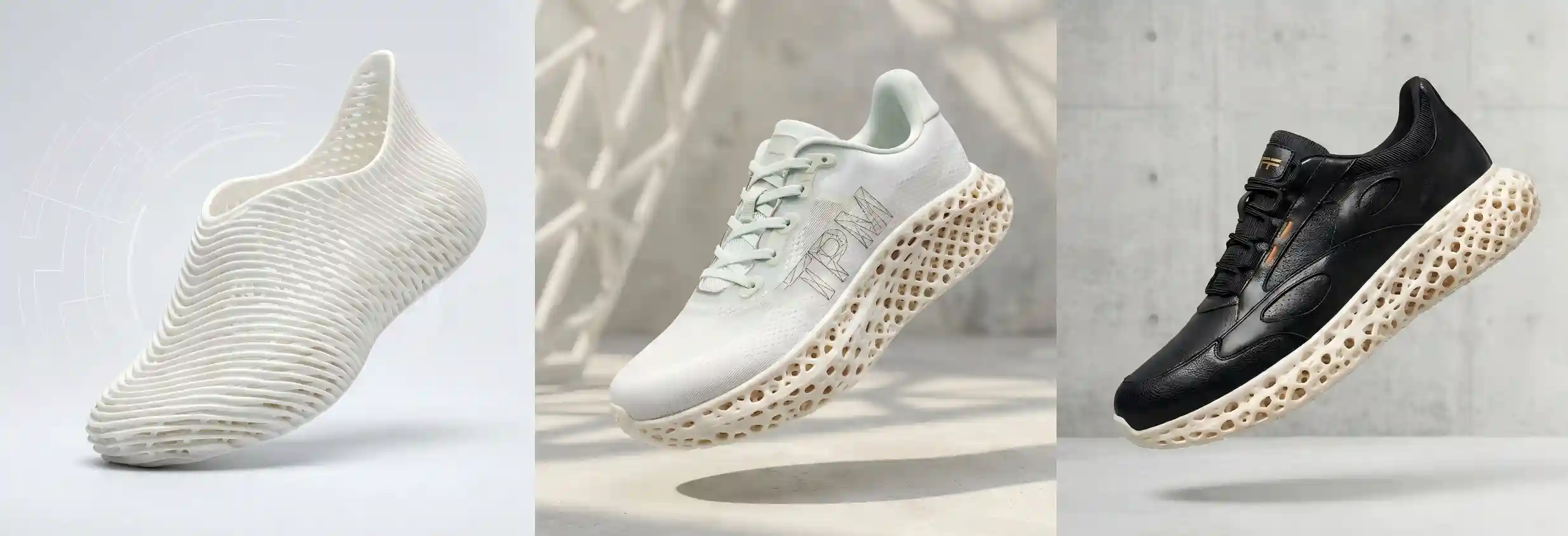
Among the technologies being explored today is the combination of additive manufacturing and physical foaming. TPM3D has developed a process that integrates Selective Laser Sintering (SLS) with supercritical CO₂ foaming to produce lightweight, flexible footwear components.
The company has recently been granted a Chinese invention patent for its “Vapor Smoothing and Supercritical Foaming Process for 3D-Printed Parts” (Patent No. ZL202411423188.0), covering key steps in the post-processing and foaming of 3D-printed parts.
From Conventional Molding to 3D-Printed Lattices
For much of the 20th century, footwear manufacturers relied on molding and foaming technologies to produce cushioning components. EVA foam became widely used for its lightweight properties, while air cushioning and other material innovations expanded the possibilities for midsole design.
In the 2010s, additive manufacturing introduced another approach. Photopolymer-based 3D printing enabled the production of complex lattice midsoles, with commercial applications demonstrating the potential of digitally designed cushioning structures.
However, material performance, production costs, and manufacturing scalability remain important considerations for broader adoption.
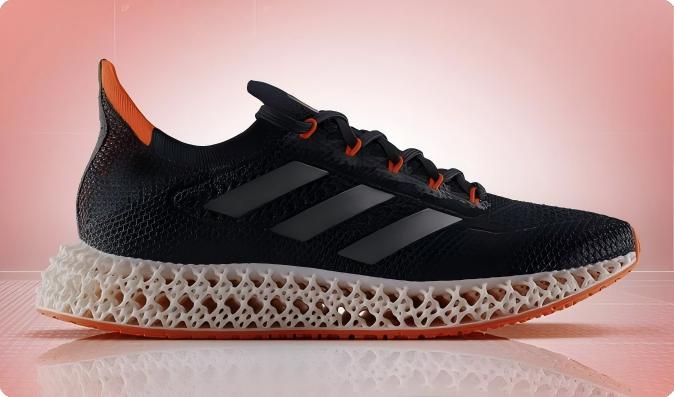
TPM3D’s approach combines SLS-printed thermoplastic lattices with a subsequent physical foaming process, providing an alternative method for manufacturing footwear components.
How the Process Works
The process brings together three main stages:
1. Parametric Lattice Design
Lattice geometry and density can be adjusted across different areas of a midsole to achieve targeted cushioning, support, and flexibility. This allows designers to tailor mechanical properties without changing the overall manufacturing method.
2. SLS 3D Printing with PEBA
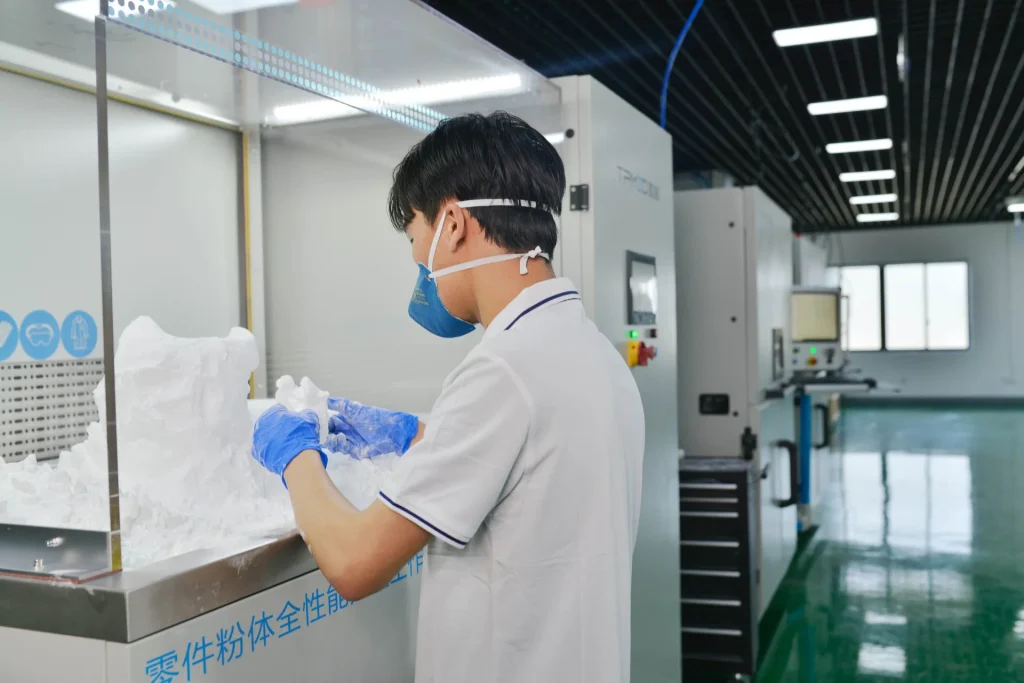
Using polyether block amide (PEBA) powder, SLS produces complex lattice structures layer by layer without dedicated support structures or molds. Unfused powder can be recovered for potential reuse in subsequent builds.
3. Supercritical CO₂ Foaming
Following SLS printing and post-processing, the components undergo supercritical CO₂ foaming. The process creates microscopic cells within the material, reducing density while preserving the overall lattice structure.
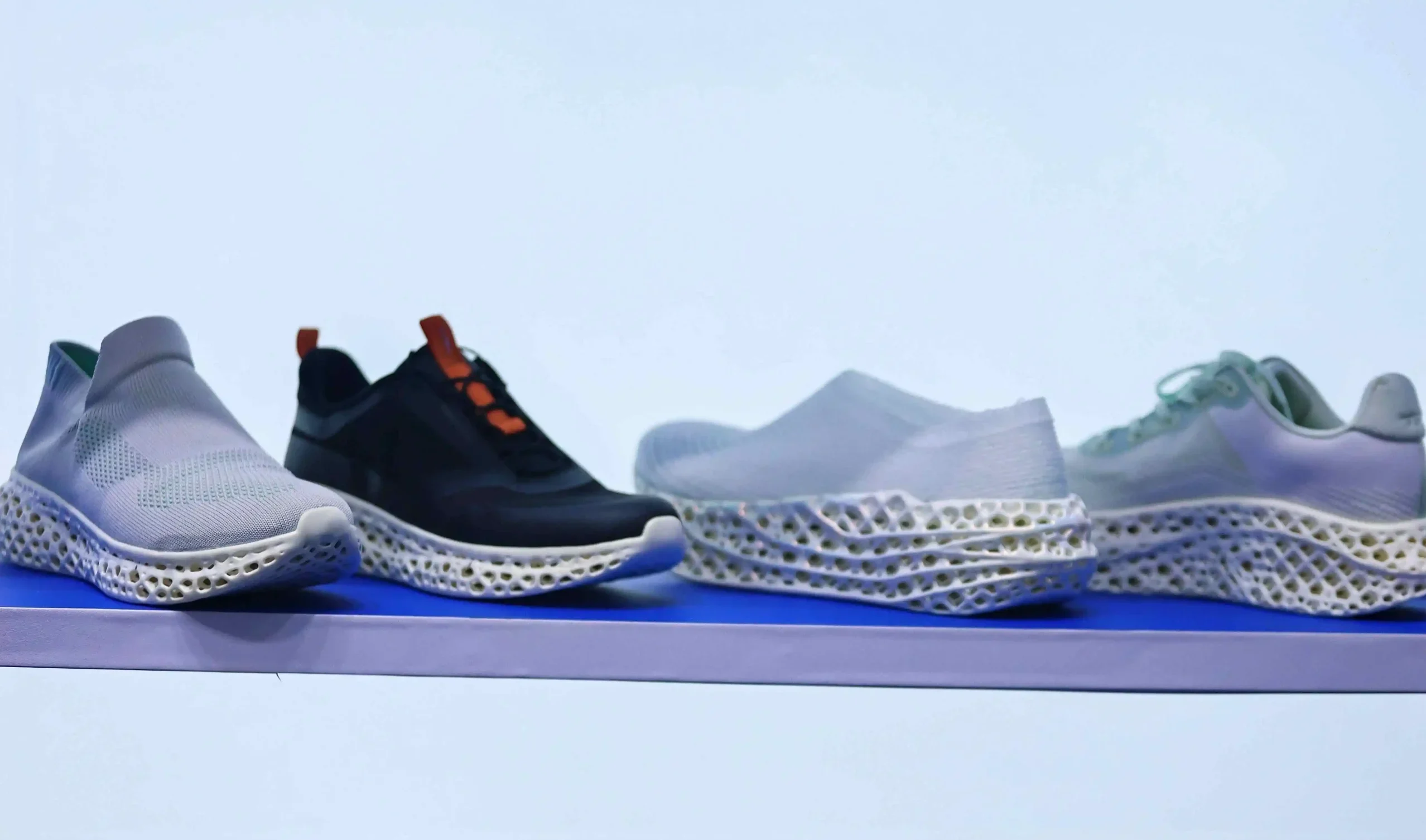
Together, the designed lattice geometry and microcellular structure allow mechanical properties to be adjusted at both structural and material levels.
Performance Testing
According to TPM3D’s internal testing, footwear components produced using this process have demonstrated the following results:
- Up to 2.5× volume expansion through supercritical CO₂ foaming.
- 22–26% compression set under the company’s test conditions.
- Over 70% energy return in the reported tests.
- 200,000 dynamic bending cycles without observed irreversible deformation or fracture under the tested conditions.
These findings indicate the potential of the process for applications requiring a combination of low weight, flexibility, and resistance to repeated bending.
Performance may vary depending on material formulation, lattice geometry, processing parameters, and test conditions.

Patent Granted for Vapor Smoothing and Supercritical Foaming
TPM3D has received a Chinese invention patent for its Vapor Smoothing and Supercritical Foaming Process for 3D-Printed Parts, under Patent No. ZL202411423188.0.
The patent covers a manufacturing process involving post-printing vapor smoothing and supercritical foaming, adding to TPM3D’s intellectual property portfolio in polymer additive manufacturing.
The process also allows footwear components to be produced without dedicated molds, making it possible to explore different lattice designs and customized geometries without conventional tooling changes.
Exploring New Possibilities for Footwear Production
Alongside performance, material efficiency is another consideration in footwear manufacturing.
SLS offers the possibility of recovering unfused powder for reuse, subject to material and process requirements. Supercritical CO₂ foaming uses a physical rather than chemical blowing process, while thermoplastic PEBA offers potential pathways for material recycling.
These characteristics make the combined process relevant to ongoing industry efforts to explore flexible manufacturing methods, material efficiency, and customized footwear production.
With more than two decades of experience in SLS technology, TPM3D continues to explore the application of polymer additive manufacturing in footwear, including the use of advanced materials and post-processing techniques to achieve specific mechanical properties.
Read more:
- TPM3D Redefines Mass Production in Footwear: A Global First in High-Performance 3D-Printed Footwear with SLS PEBA Technology
- 200,000-Cycle Bending Test Highlights TPM3D’s SLS 3D Printed Footwear Solution
- TPM3D Introduces 3D Printed Footwear Solution at CISCE 2025 — Reduces Production Time to 25 Minutes per Shoe