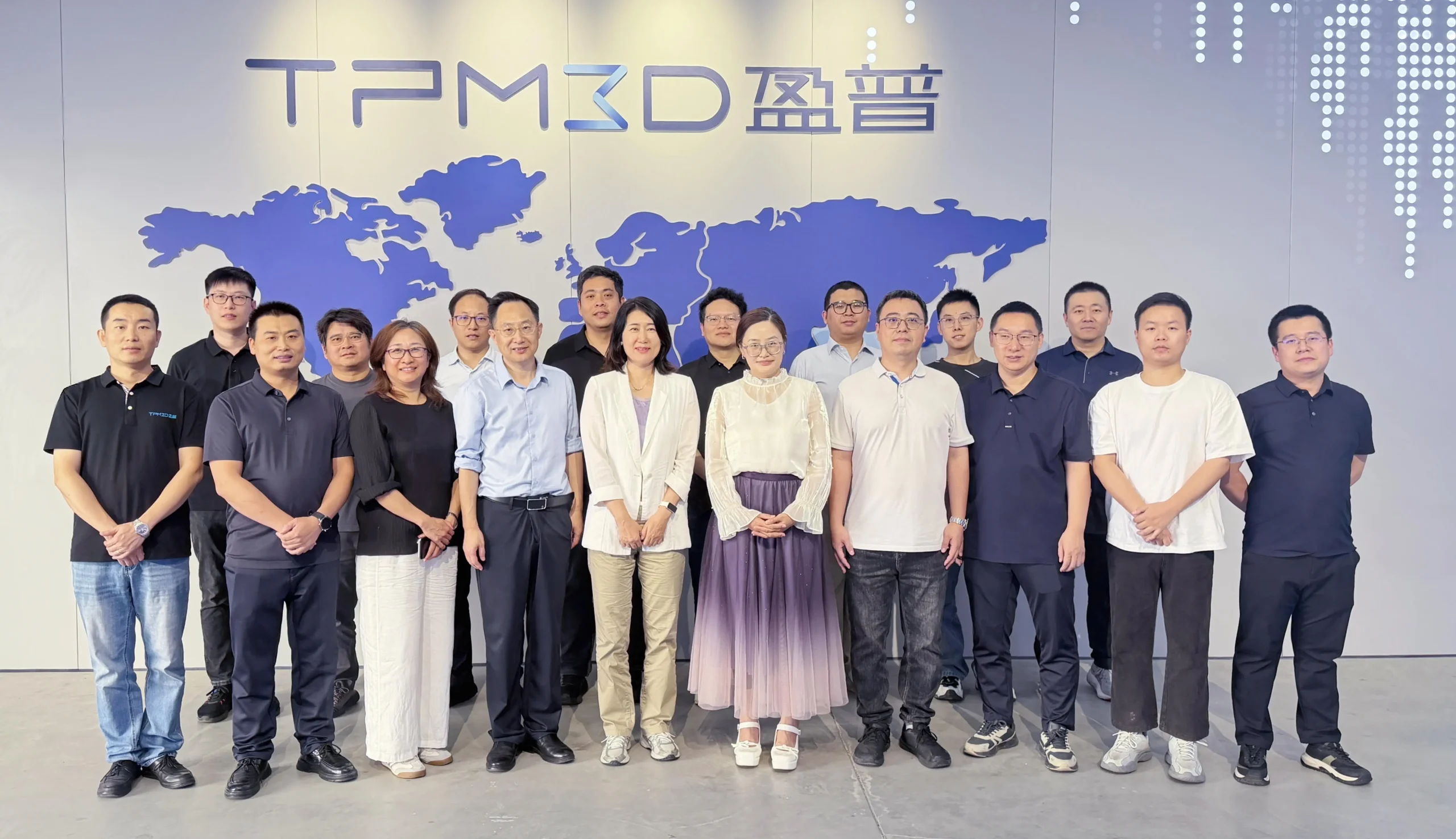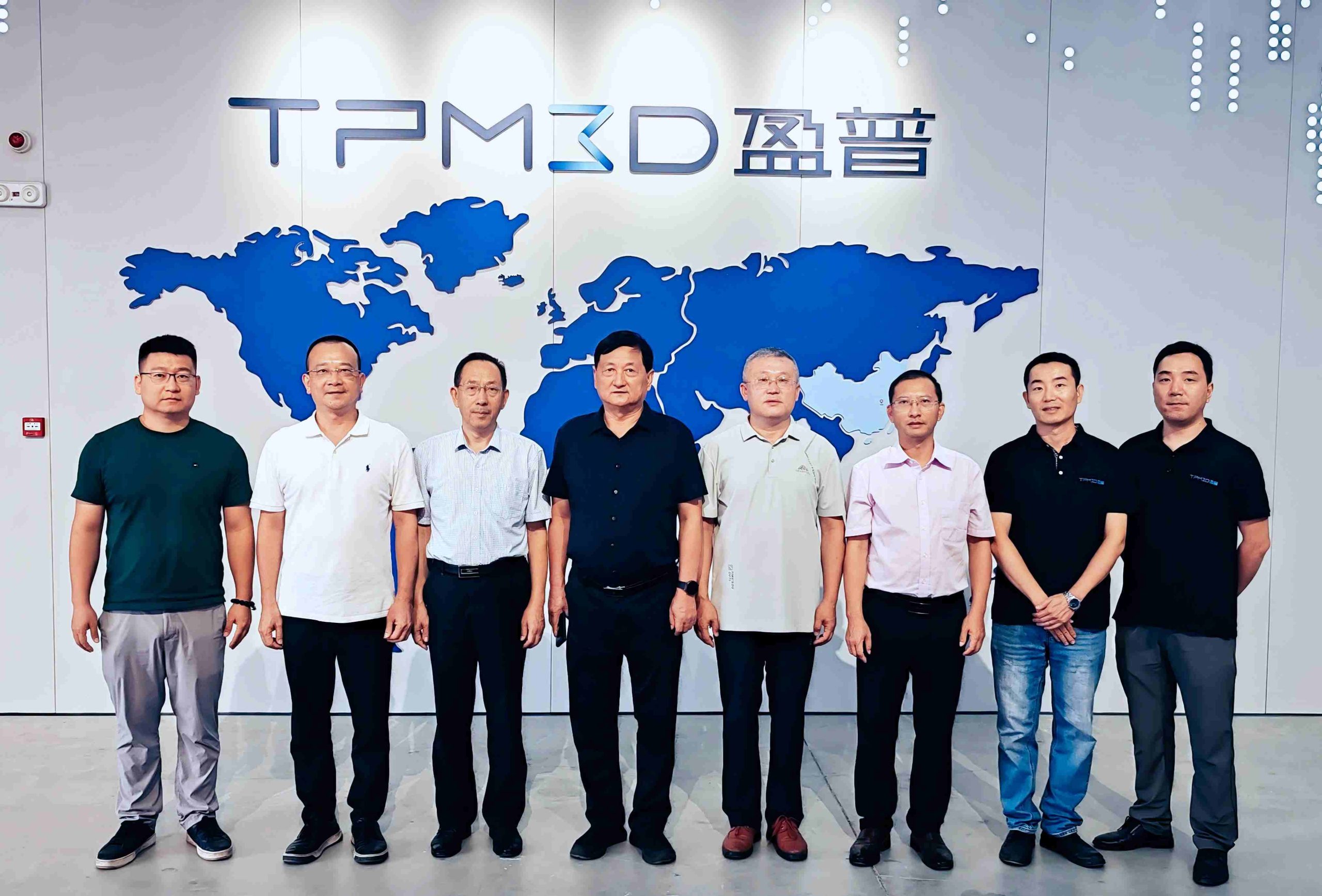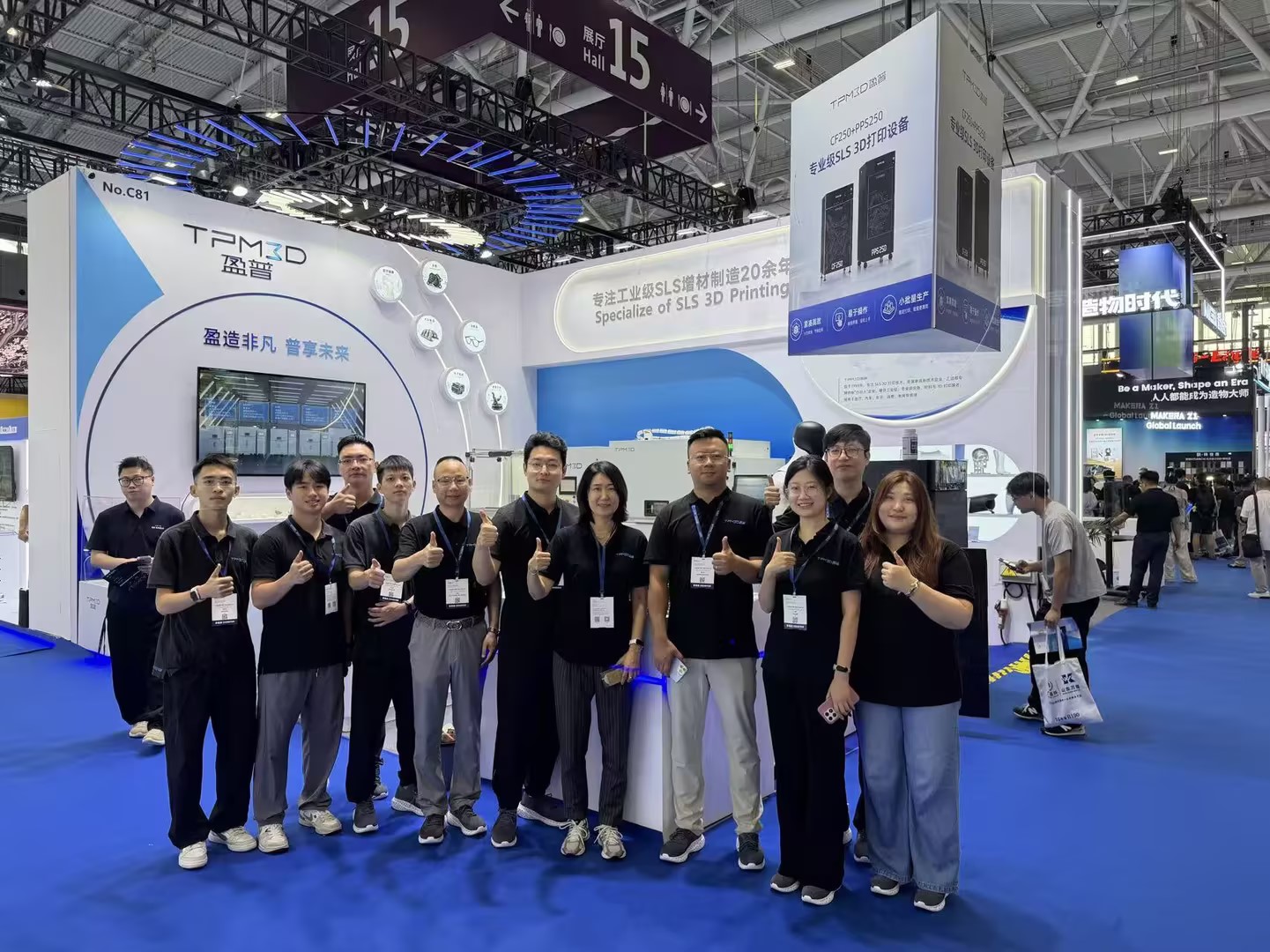
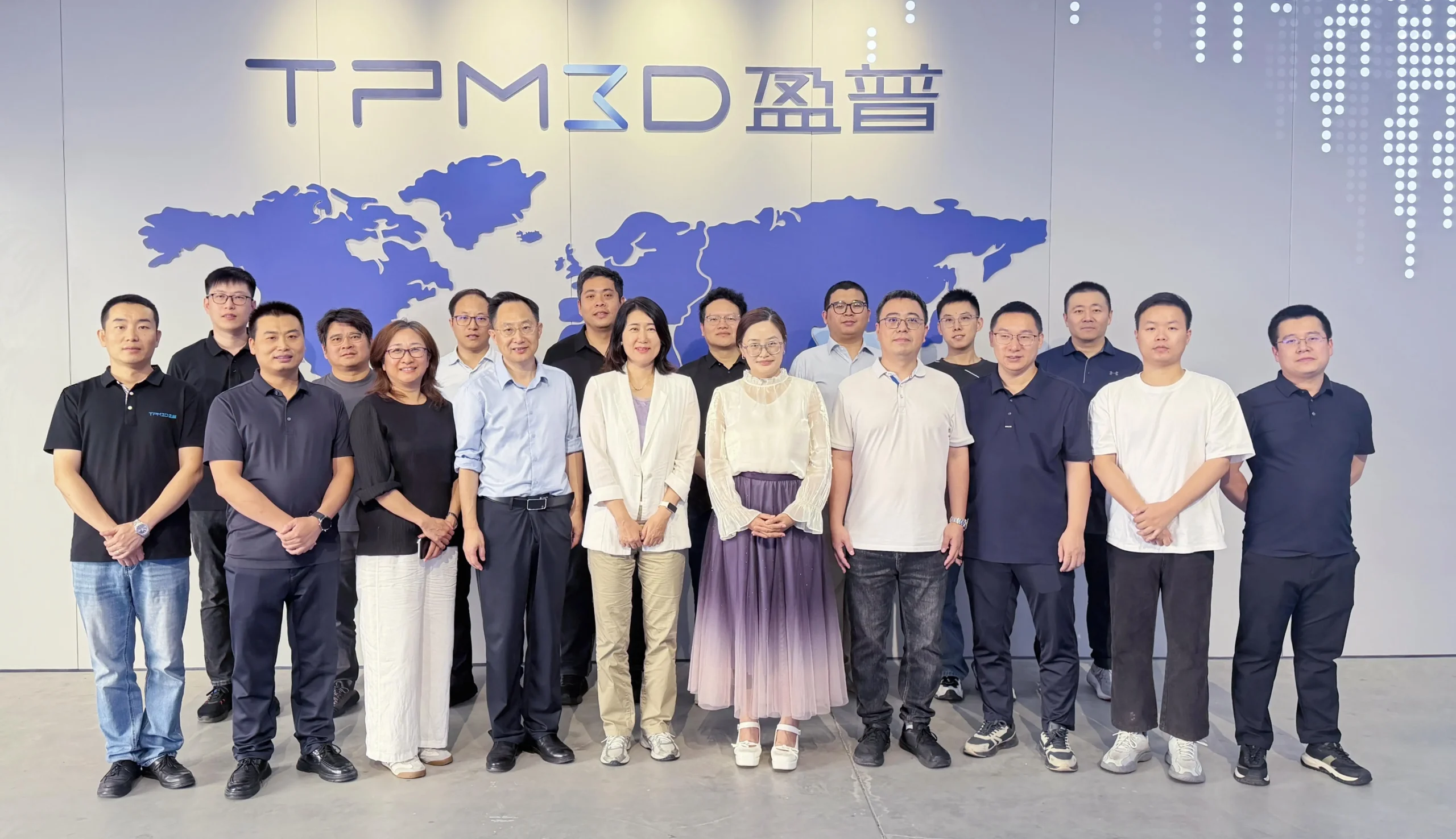
TPM3D hosted the second discussion meeting on two draft Chinese national standards for polymer additive manufacturing at its Hefei manufacturing facility on October 12–13. Organized by the National Technical Committee for Additive Manufacturing Standardization, the meeting brought together experts from the standards drafting working group to review the drafts, discuss technical requirements, and agree on the next steps.
The two draft standards cover qualification principles and part performance classification for polymer additive manufacturing and PEEK and composite powders for powder bed fusion in additive manufacturing.
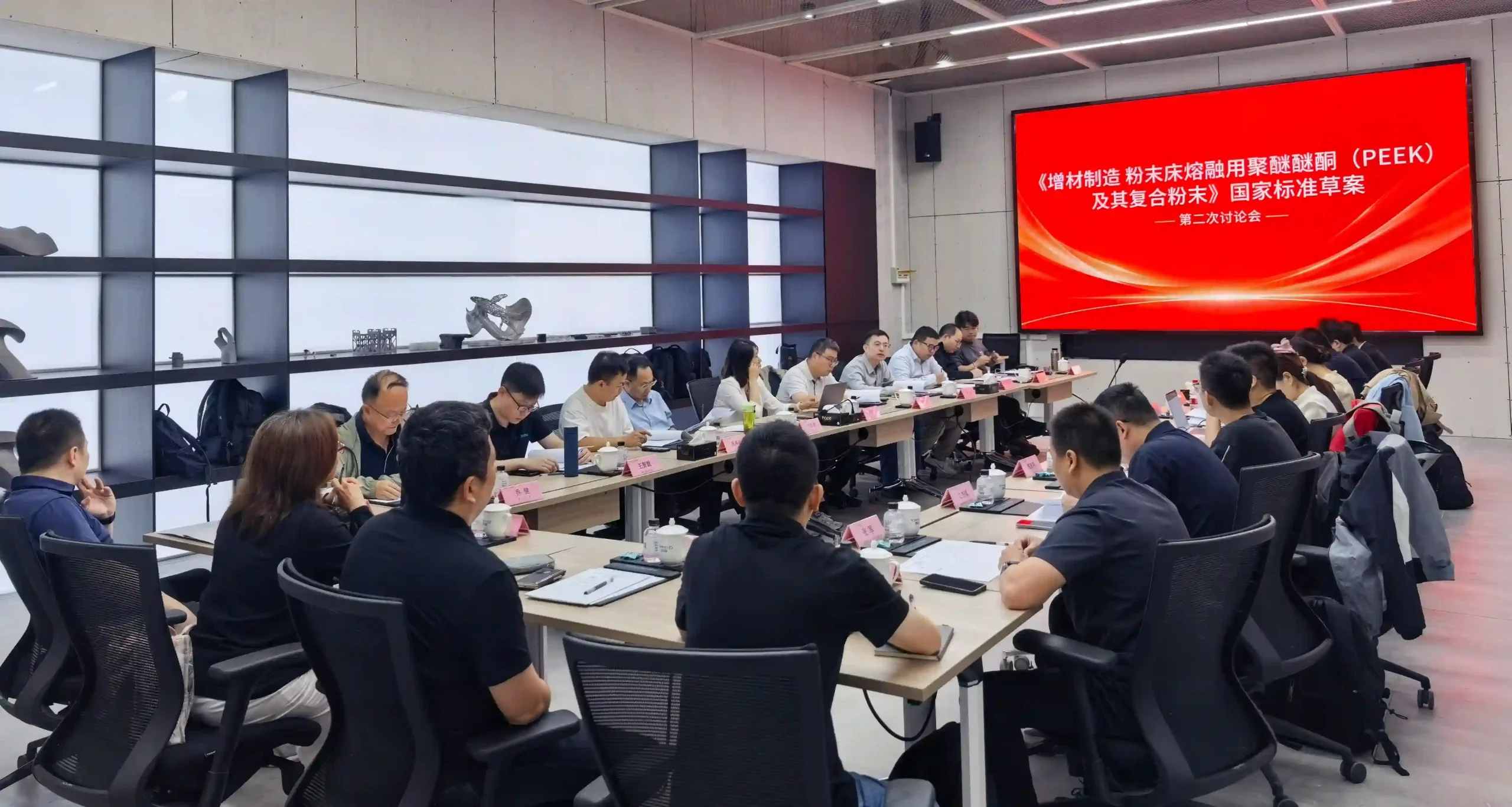
At the opening session, Xue Lian, Deputy Secretary-General of the National Technical Committee for Additive Manufacturing Standardization, introduced the participating experts and outlined the agenda. Lucy Zhai, CEO of TPM3D, welcomed the attendees and shared the company’s experience in industrial selective laser sintering (SLS) and polymer additive manufacturing.
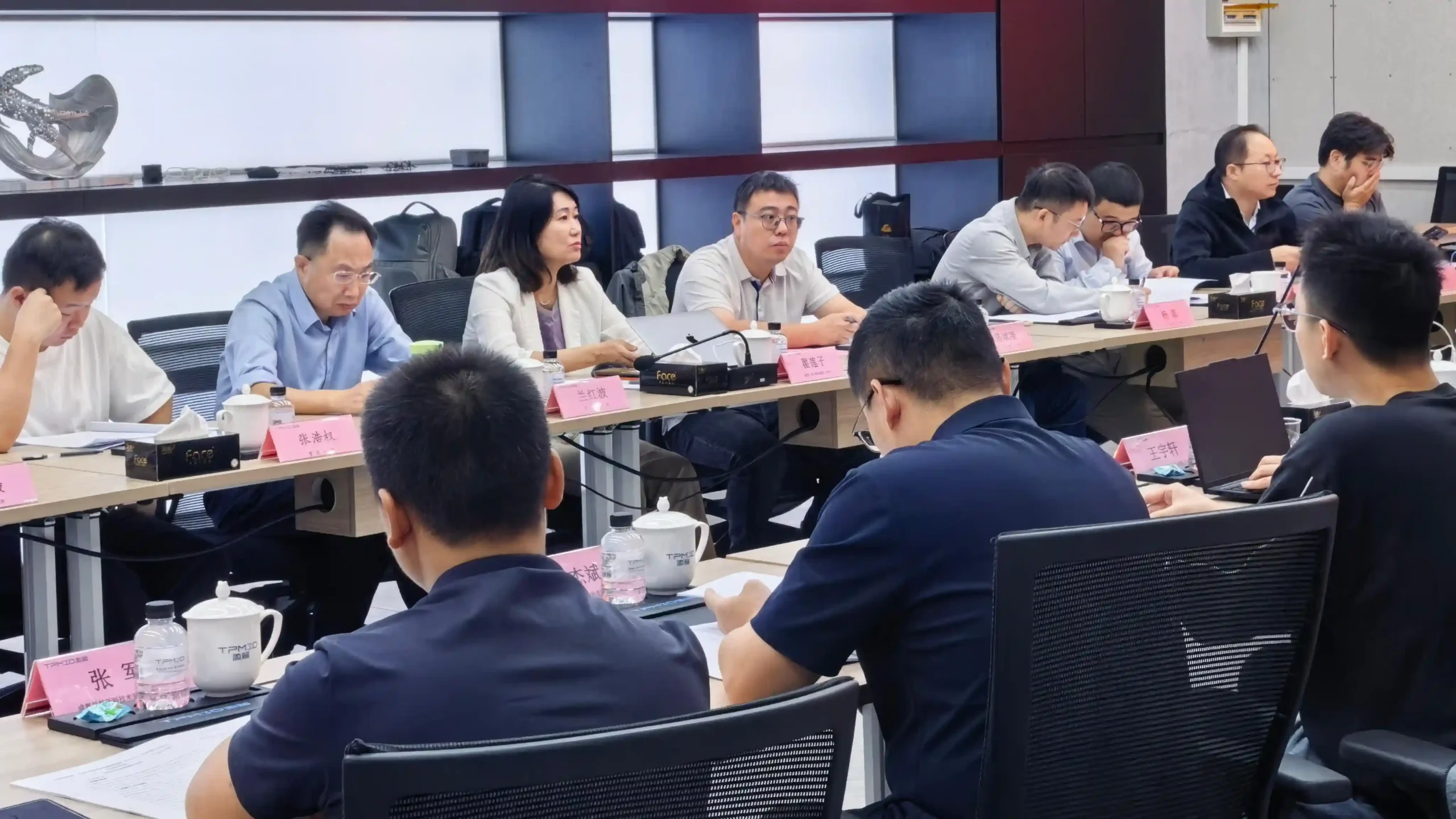
Experts Discuss Key Technical Requirements
Over the two-day meeting, participants reviewed the draft standards clause by clause, exchanging views on technical requirements and key areas of discussion. The group reached a consensus on major aspects of both drafts and outlined the next steps in the standards development process.
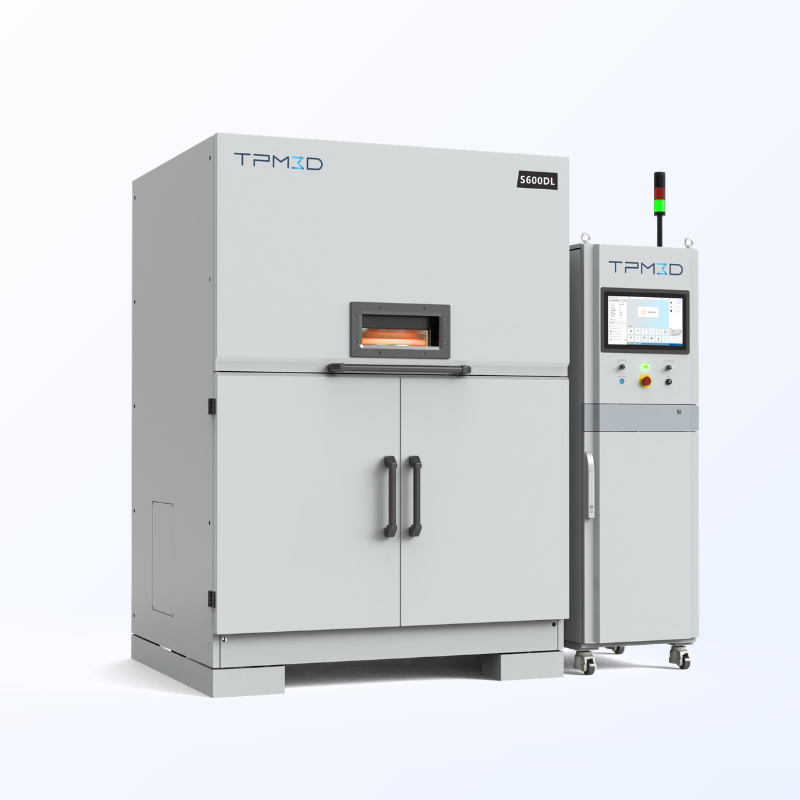
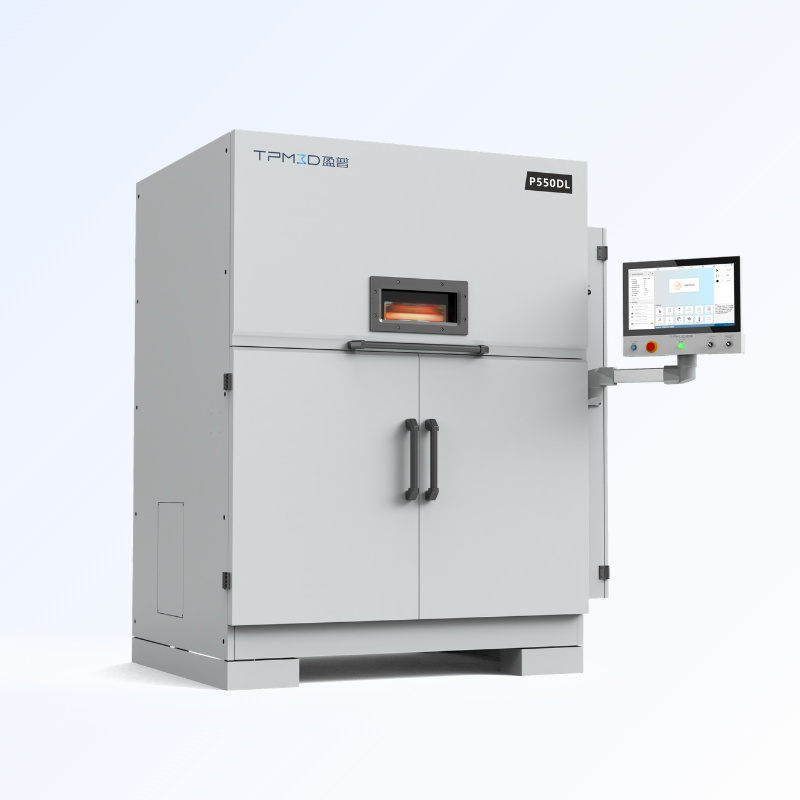
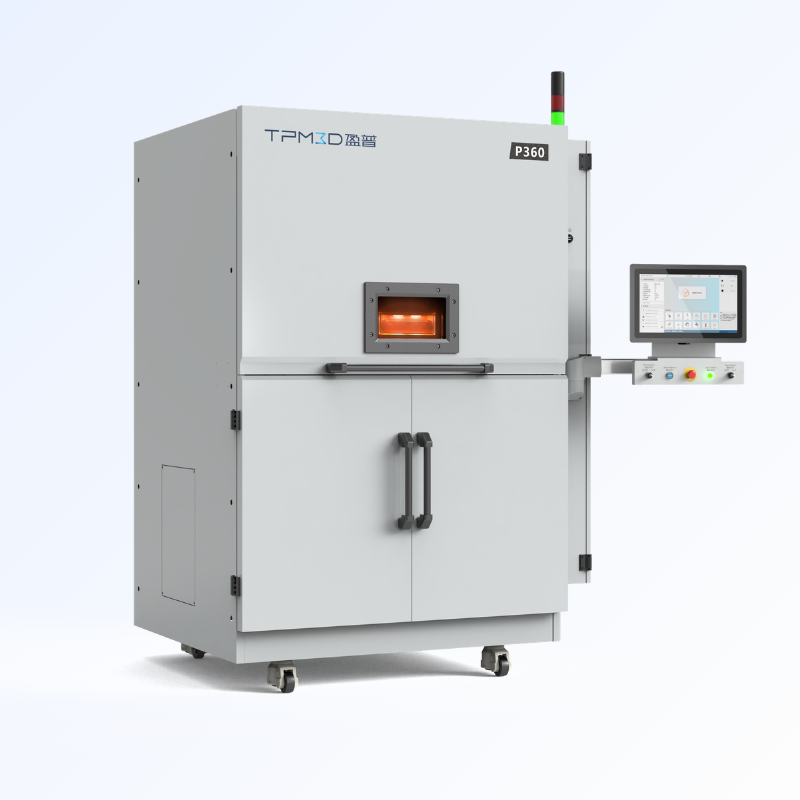
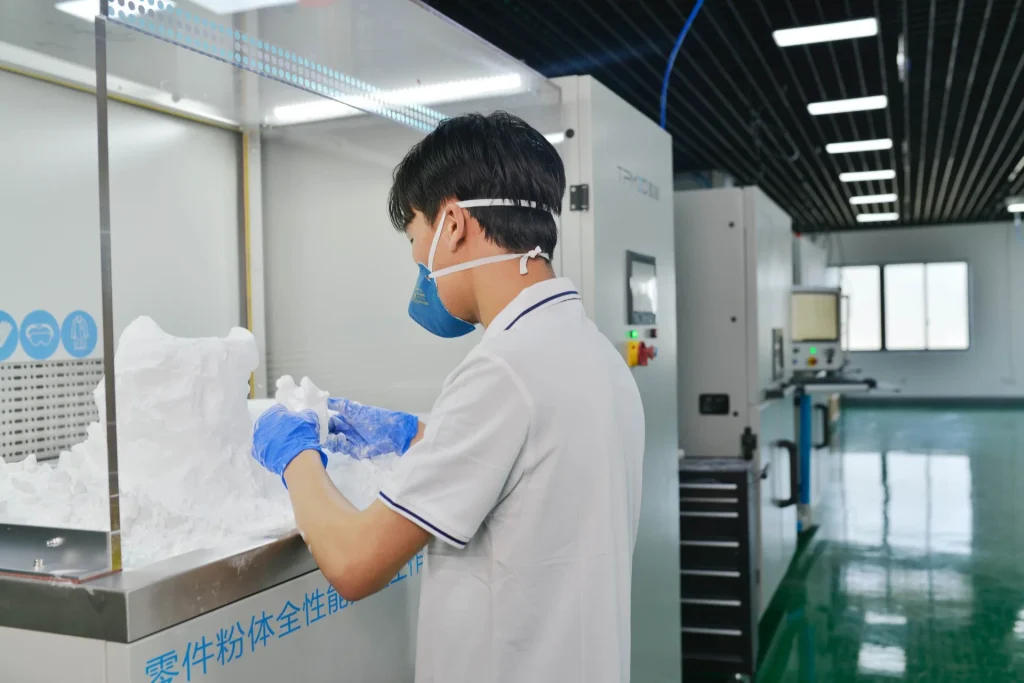
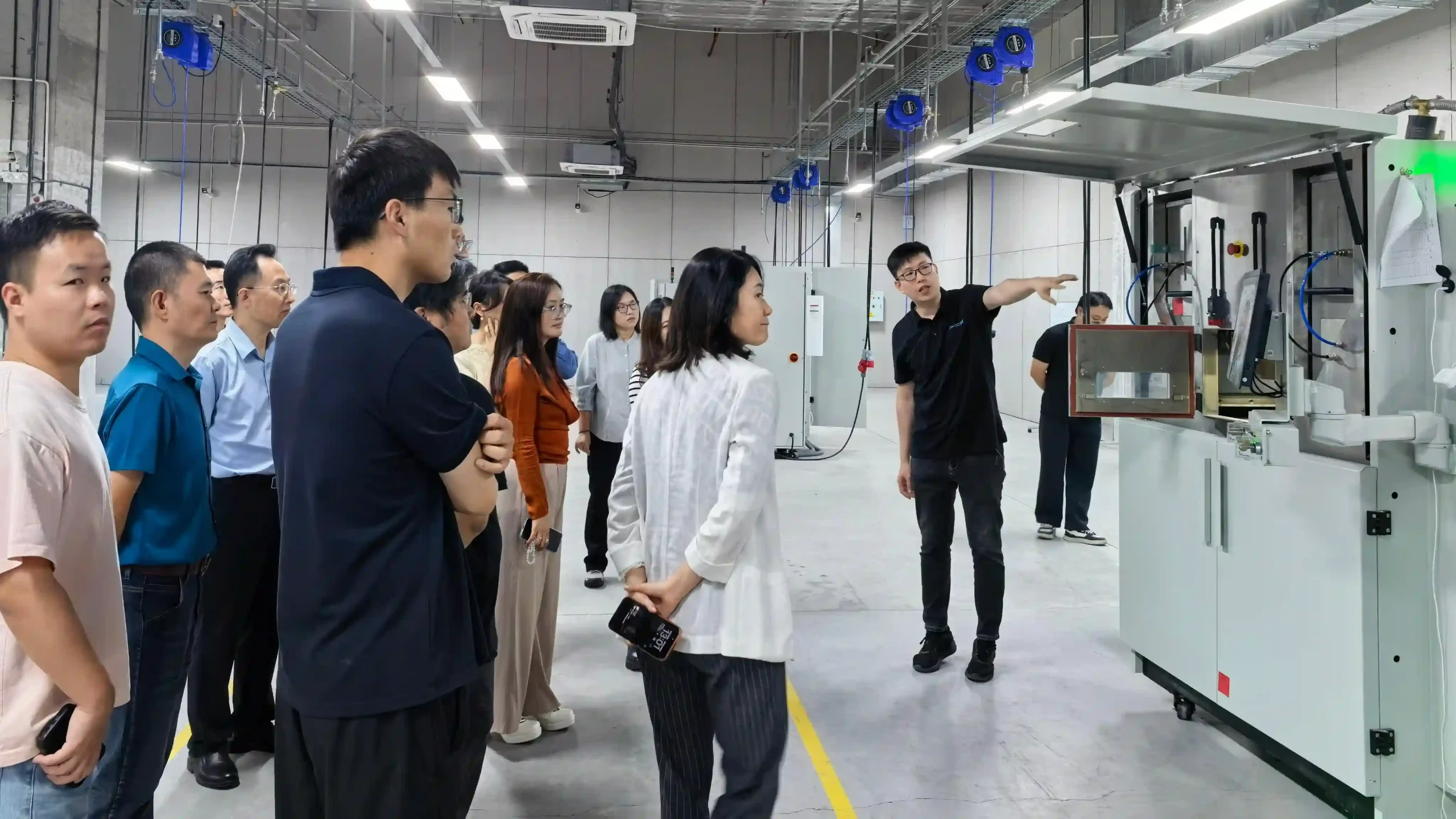
The meeting also included a tour of TPM3D’s Hefei manufacturing facility, where participants visited the production workshops and application showroom. They learned about the manufacturing of industrial SLS 3D printers and the processing of polymer materials, as well as applications in automotive manufacturing, drones, medical rehabilitation, and cultural and creative products.
Advancing PEEK 3D Printing with High-Temperature SLS
One draft standard focuses on PEEK and composite powders for powder bed fusion, a field closely related to TPM3D’s work in high-temperature SLS technology.
PEEK is a high-performance engineering thermoplastic known for its mechanical strength, heat resistance, and chemical resistance. Processing it through SLS requires specialized equipment and precise control of printing conditions. TPM3D has developed capabilities across equipment, materials, and process optimization to support the processing of high-performance polymers.
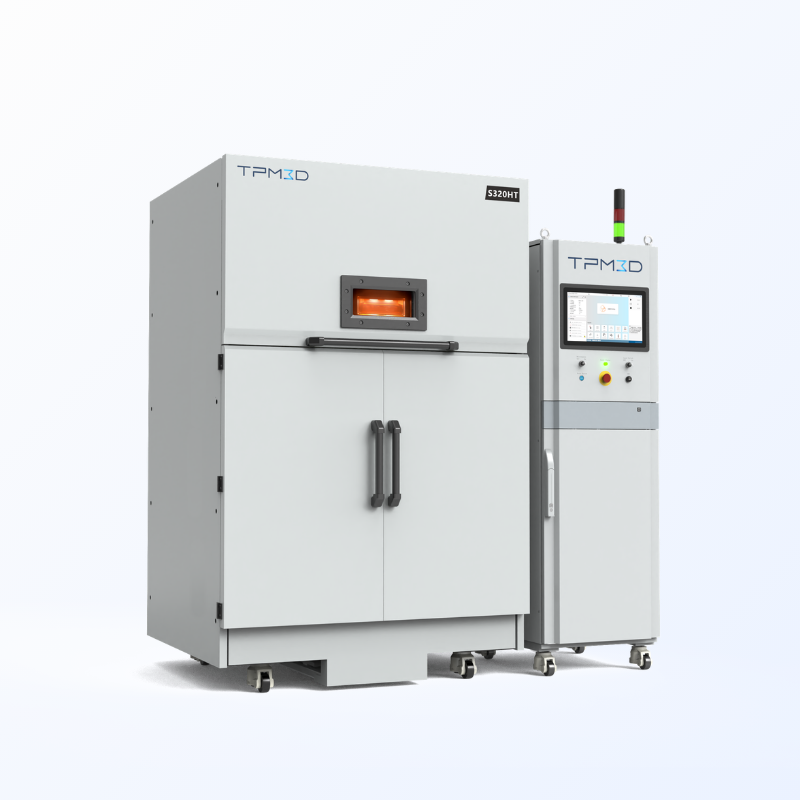
The company’s high-temperature SLS portfolio includes the S320HT, which supports operating temperatures of up to 350°C, and compatible high-performance PEEK powders.
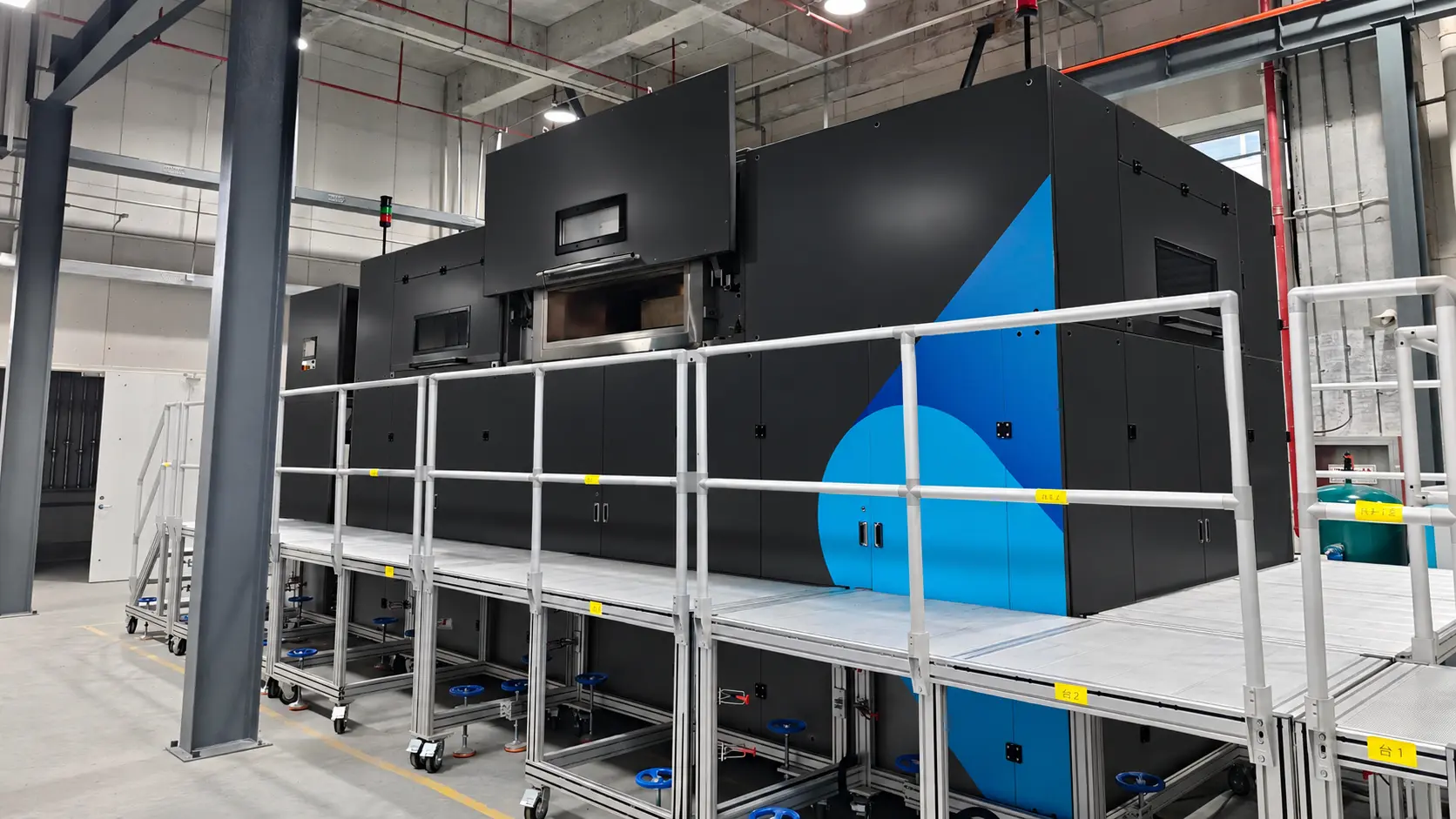
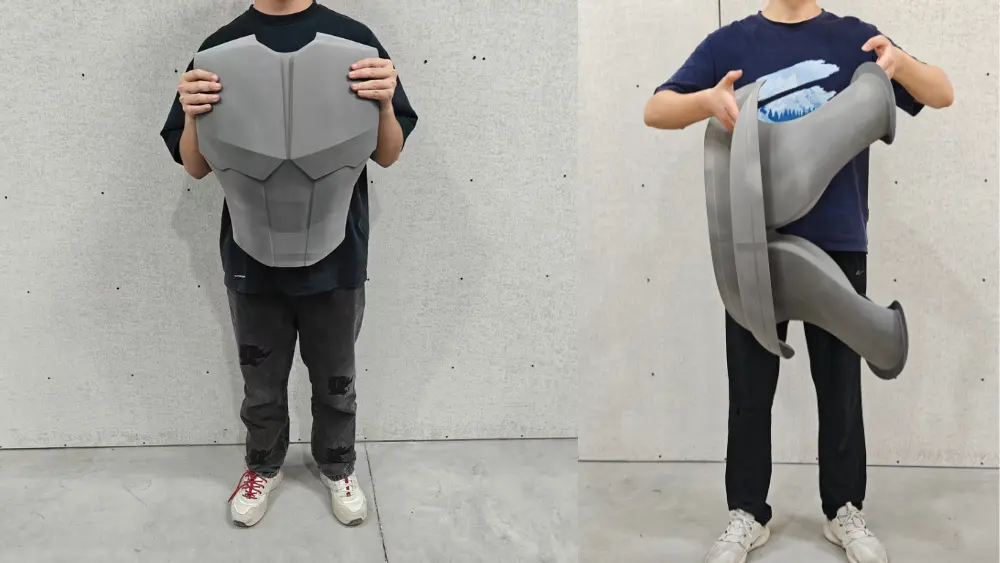
In 2026, TPM3D expanded its large-format PEEK processing capabilities with the X1100HT. With a build volume of 1,100 × 1,100 × 400 mm, the system enables large components, such as robot chest armor and air intake manifolds, to be produced in a single build.
The X1100HT has also been selected by several key institutions to support research into high-performance polymers and the development of advanced components, including those for aerospace applications.
Turning Industrial Experience into Industry Standards
For TPM3D, contributing to national standards development is both a responsibility and an opportunity to share the practical knowledge gained through more than two decades of work in SLS technology. Experience gained in equipment development, material processing, and real-world applications can help inform standards that support the wider adoption of polymer additive manufacturing.
TPM3D will continue working with industry partners and standards organizations to contribute its technical expertise and application experience to the standardization process. Through this collaboration, the company aims to help advance more consistent technical practices and support the broader use of polymer SLS in industrial manufacturing.