New platform combines mobile 3D scanning, AI-assisted design, and additive manufacturing workflows for custom orthoses and insoles
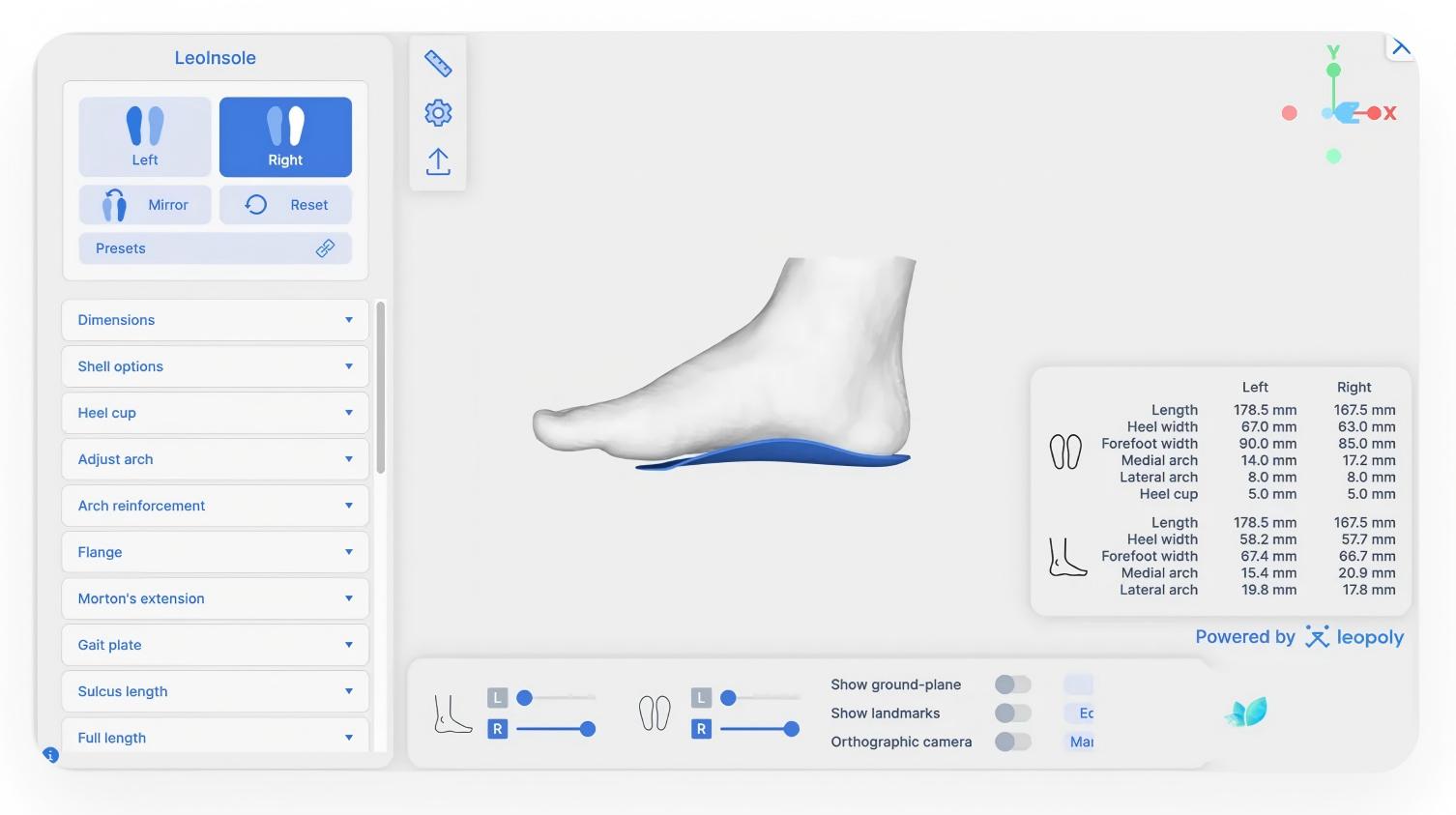
The orthotics and rehabilitation industry is undergoing a shift from traditional craftsmanship toward digital design and manufacturing. To support this transition, TPM3D has introduced the HPDM Digital Orthotic Design System – Asia Edition, an AI-assisted platform developed in collaboration with orthotics specialist Edser.
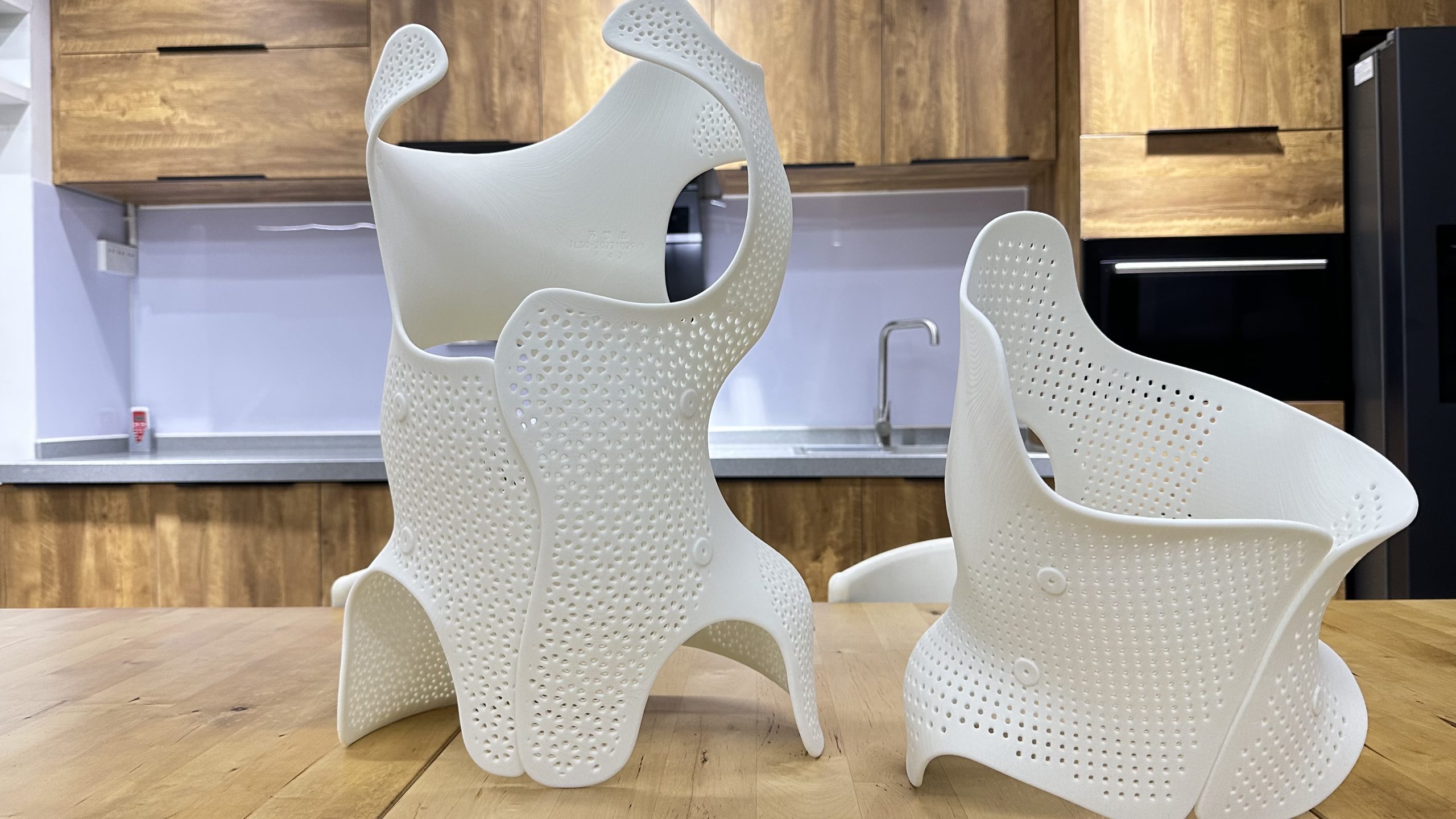
The system combines more than three decades of European clinical orthotic experience with AI-powered design algorithms to provide an integrated workflow for producing custom foot orthoses, ankle-foot orthoses (AFOs), and scoliosis braces.
Rather than functioning as standalone design software, HPDM is designed as a complete digital production platform that enables rehabilitation providers, orthotic clinics, and additive manufacturing service bureaus to establish scalable digital orthotic workflows.
From Manual Manufacturing to Digital Orthotic Production
Conventional orthotic manufacturing often depends on plaster casting, manual modification, and experienced technicians. These labor-intensive processes can result in long production cycles, inconsistent quality, and limited scalability.
HPDM replaces much of this workflow with a digital process:
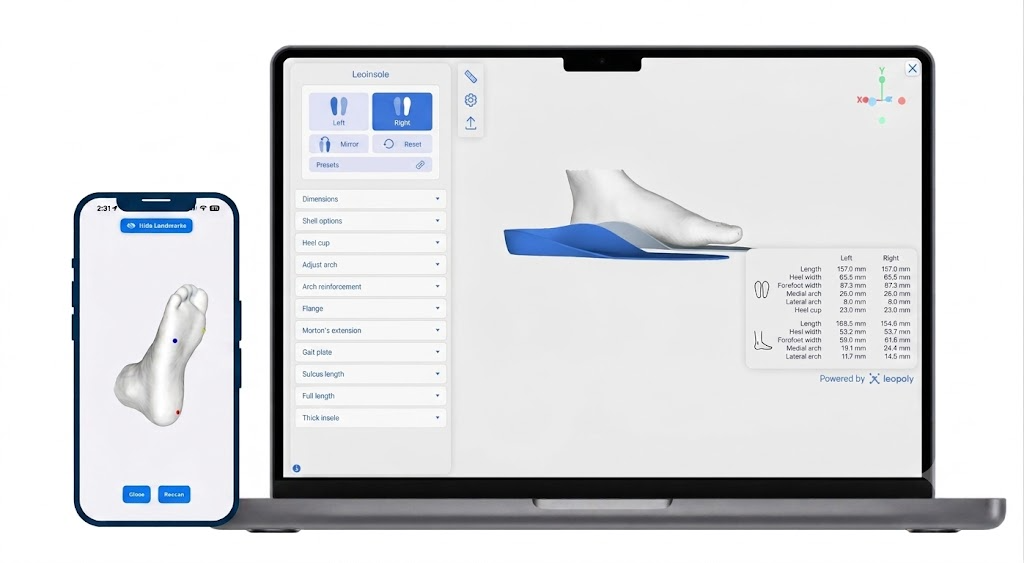
- Mobile 3D scanning using an iPhone or iPad
- AI-assisted cloud-based orthotic design
- Standard STL file generation
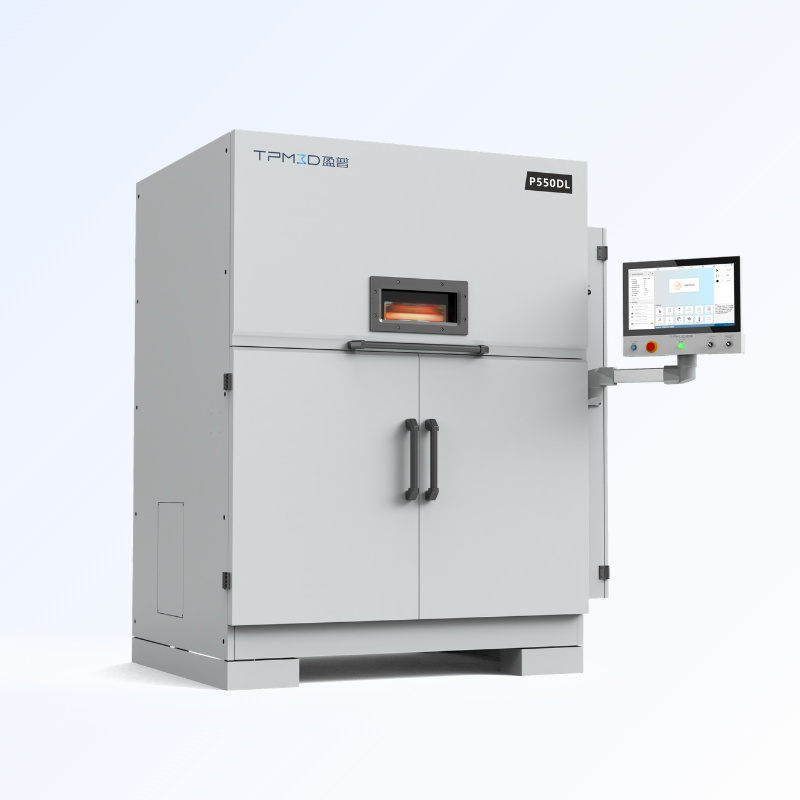
- Manufacturing through 3D printing or CNC machining
By digitizing each step, clinics can reduce manual work while improving workflow standardization and data management.
Mobile 3D Scanning Without Dedicated Hardware
The HPDM Asia Edition supports high-precision 3D scanning directly on compatible iOS devices, eliminating the need for bulky professional scanning equipment in many clinical scenarios.
Clinicians can capture digital models of the foot, lower leg, or torso in outpatient clinics, community rehabilitation programs, or home visits, expanding access to digital orthotic services beyond traditional treatment rooms.
AI-Assisted Orthotic Design
Once scan data is uploaded, HPDM’s cloud-based AI engine performs several routine design tasks automatically, including:
- Scan data cleaning and optimization
- Lower-limb alignment correction
- Clinical template matching
- Initial orthotic model generation
These automated processes reduce repetitive modeling work, allowing clinicians and orthotists to focus on patient assessment and final customization.
The system incorporates clinical design rules developed by Edser based on extensive experience in orthotic practice and case management.
Open Manufacturing Workflow
After design is completed, HPDM exports standard STL files compatible with multiple manufacturing technologies, including but not limited to:
- SLS 3D printing
- FDM 3D printing
- CNC machining
Organizations with in-house production capabilities can manufacture devices directly. Those without manufacturing equipment can utilize an integrated design and production service, enabling digital orthotic delivery without investing in their own production line.
Standardized Processes for Multi-Site Operations
Because scanning, design, and file generation follow standardized digital procedures, HPDM helps reduce dependence on individual technician experience.
For rehabilitation groups operating multiple clinics or service locations, standardized workflows simplify staff training while supporting consistent service delivery across locations.
Initial Clinical Deployment in Southern China
The HPDM Asia Edition has entered its first commercial implementation phase in Guangdong Province.
Shunde Weiquan Rehabilitation Center and Guangdong Jianjia Rehabilitation Hospital have signed cooperation agreements to evaluate the platform in clinical rehabilitation settings. Initial applications include:
- Pediatric rehabilitation
- Lower-limb rehabilitation
- Ankle-foot orthoses (AFOs)
- Custom orthopedic insoles
- Digital orthotic delivery workflows
Clinical specialists involved in the project note that digital design systems are intended to support—not replace—therapists and orthotists. By streamlining scanning, design, communication, and manufacturing processes, digital workflows may improve efficiency while allowing clinicians to focus on patient care.
The technology is expected to be particularly valuable in pediatric AFO production, gait disorder management, and limb rehabilitation, where reducing the complexity of traditional casting procedures can improve clinical workflow.
Partnership Opportunities
Following the launch of the HPDM Asia Edition, TPM3D is expanding its partner network to accelerate the adoption of digital orthotic technologies across Asia.
The company is seeking collaboration with:
- Rehabilitation hospitals and therapy centers
- Prosthetics and orthotics service providers
- Pediatric rehabilitation organizations
- Sports rehabilitation and foot assessment clinics
- 3D printing service providers
- Rehabilitation equipment distributors
- Regional channel partners with expertise in healthcare, orthotics, or additive manufacturing
Partners receive technical training, product demonstrations, sales materials, application support, and optional design and manufacturing services to help implement digital orthotic workflows.
As demand for personalized rehabilitation devices continues to grow, TPM3D aims to work with clinical and industry partners to promote more standardized, efficient, and digitally enabled orthotic production throughout the region.