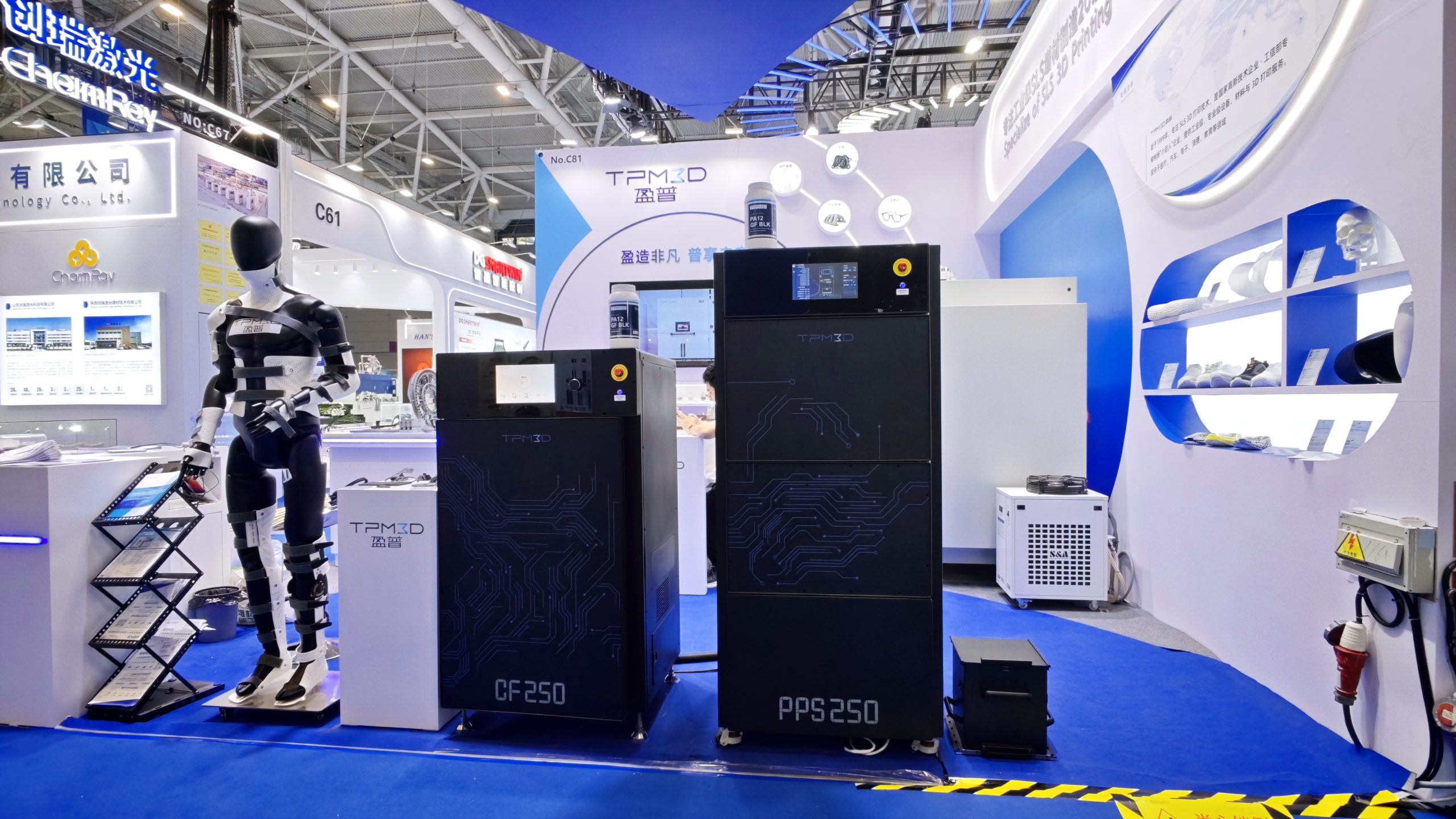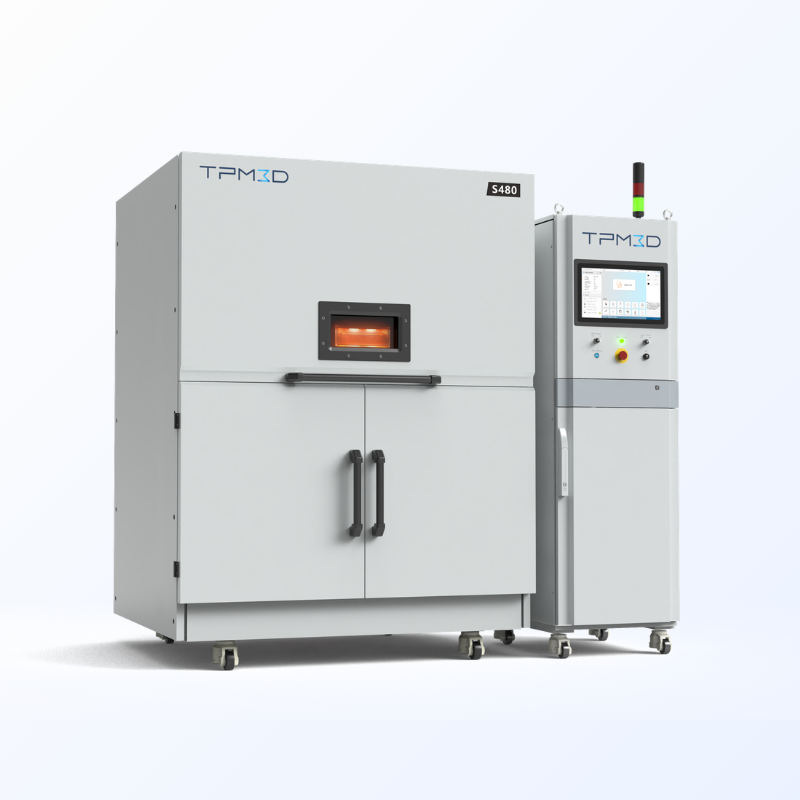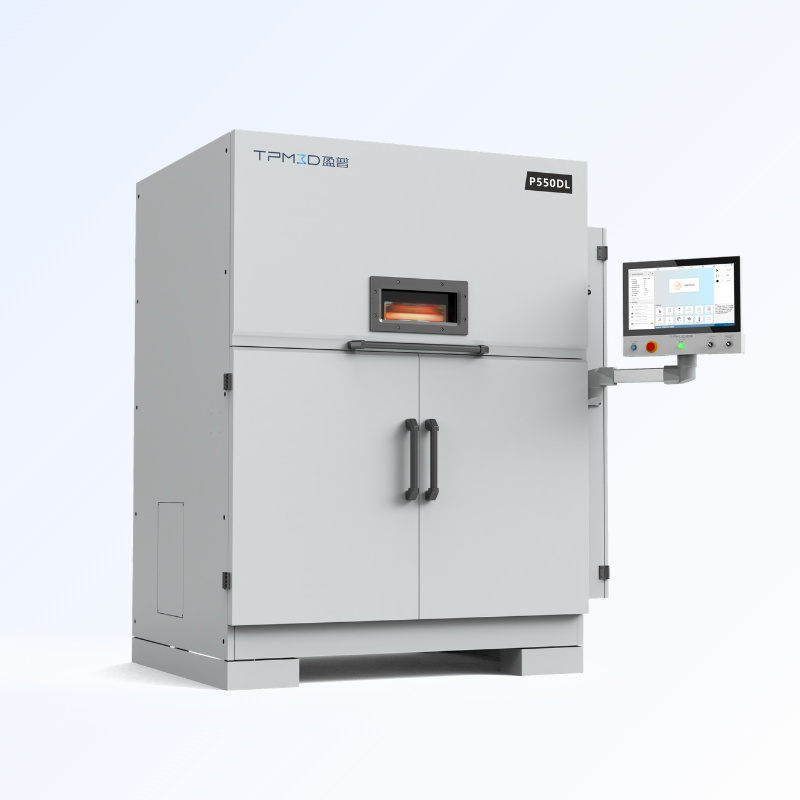
The prosthetic industry faces a brutal economic reality: every socket that doesn’t fit on the first try costs a clinic time, materials, and an additional patient visit. Traditional manufacturing — plaster casting, hand modification, thermoforming — is a craft honed over generations. It works. But it’s slow, expensive, and nearly impossible to scale.
Selective Laser Sintering (SLS) 3D printing is changing that equation. Across TPM3D’s customer base in medical device manufacturing, clinics adopting SLS are seeing prosthetic production costs drop by roughly 40% — not through cheaper materials, but by eliminating the hidden costs baked into traditional workflows: rework, wasted materials, multiple patient visits, and the sheer labor hours of manual fabrication.
Here’s where those savings actually come from, backed by production data and real-world cases.
The Hidden Costs of Traditional Prosthetics Manufacturing
To understand where SLS cuts cost, you first need to see where the money goes in a traditional workflow.
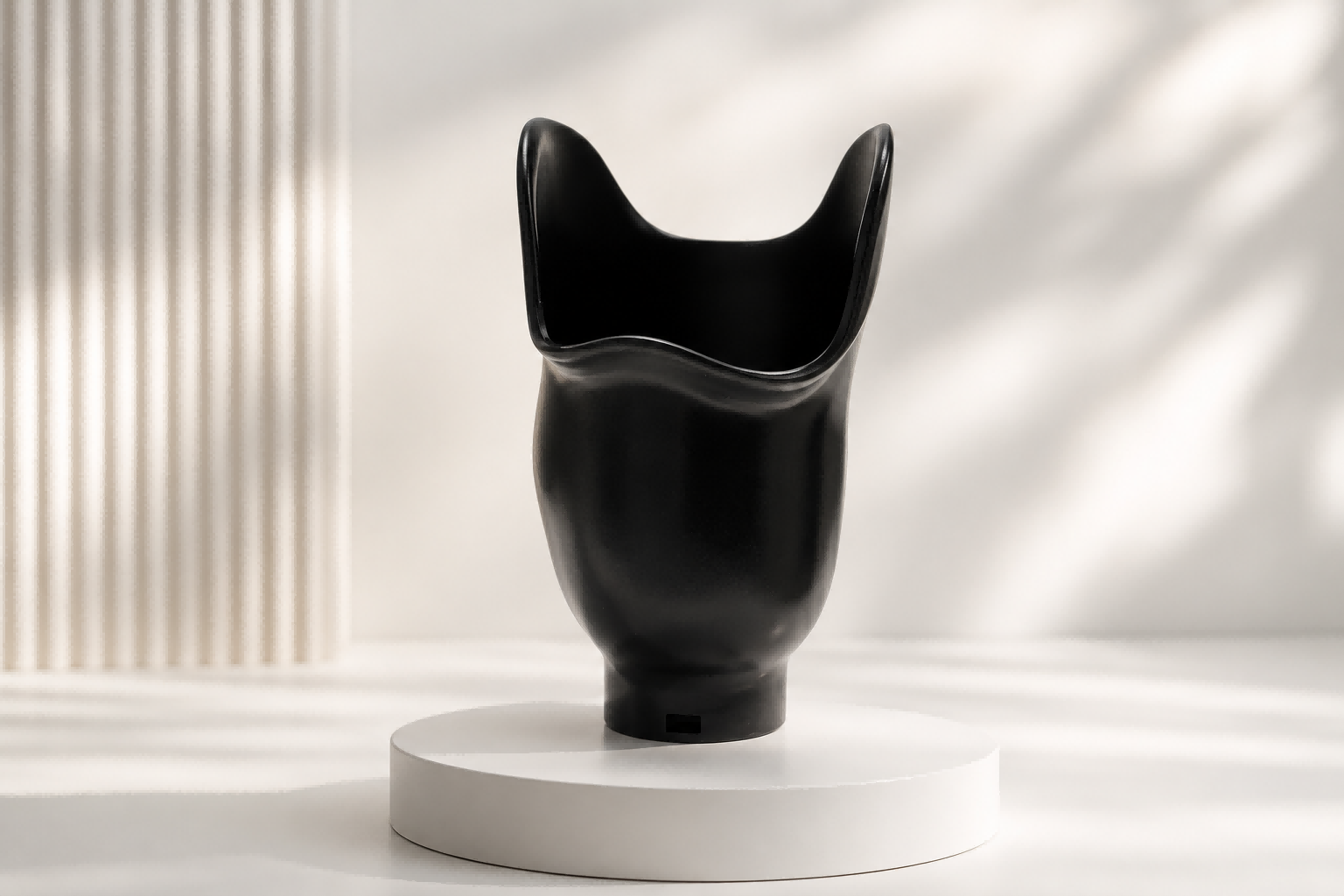
A conventional prosthetic socket follows a 6-step process [1]:
- Casting: A prosthetist wraps the residual limb in plaster bandages to create a negative mold.
- Positive model: Plaster is poured into the negative to create a positive. Curing time: 2–4 hours.
- Modification: A technician hand-carves the plaster model, adding reliefs and pressure zones. A 1 mm deviation can compromise gait and comfort [1]. This is where decades of experience matter — and where labor costs pile up.
- Thermoforming or lamination: A thermoplastic sheet is heated and draped over the modified model, or layers of resin and fabric are laminated.
- Fitting: The patient returns. Adjustments are made. If the socket doesn’t fit, go back to step 3.
- Follow-ups: Multiple appointments are standard.
According to IEEE Spectrum, the total technician time for a traditional socket runs 12 to 16 hours [2]. Every design revision demands a completely new plaster model and thermoforming cycle — a process that takes 2–3 days per iteration [1].
The cost drivers stack up quickly:
| Cost driver | Traditional method | Impact |
|---|---|---|
| Technician labor | 12–16 hours per socket [2] | Highly skilled, not scalable |
| Plaster & consumables | Fresh materials for every socket | Discarded after single use |
| Patient visits | Multiple appointments standard | Travel cost, clinic overhead |
| Design iteration | ~2–3 days per revision [1] | Each change = full re-make |
| Storage & archiving | Physical plaster models | Degrade over time, require space |
None of these costs appear on a material invoice. Together, they constitute the bulk of per-socket production cost — and they’re exactly what SLS eliminates.
Where SLS 3D Printing Cuts Cost: The 40% Breakdown
The 40% figure isn’t one magic number from one study. It’s the cumulative result of five cost levers that shift the moment a clinic or manufacturer moves from manual to digital production — validated by real adoption data from TPM3D’s medical device customers.
1. Material Waste Drops to Near Zero
Traditional socket manufacturing is inherently consumptive: you build a plaster positive, modify it, and discard it after a single use. Every socket burns plaster, thermoplastic sheet offcuts, and finishing consumables — none of which are reused.
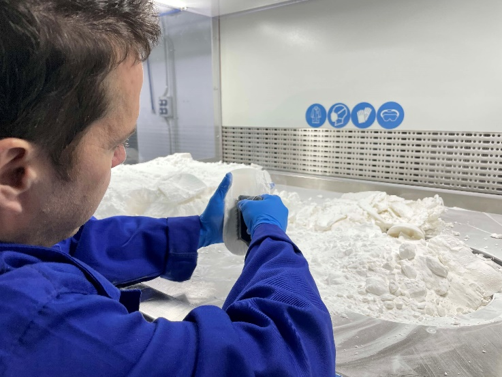
SLS is different. Unsintered powder surrounding each printed part is recovered and reused. In TPM3D’s production systems, as documented in the Edser orthotics case, only 20% fresh powder is needed per batch — the remaining 80% is recycled from previous builds. Material utilization approaches near 100% when nesting is optimized [3].
2. Labor Per Socket Drops Dramatically
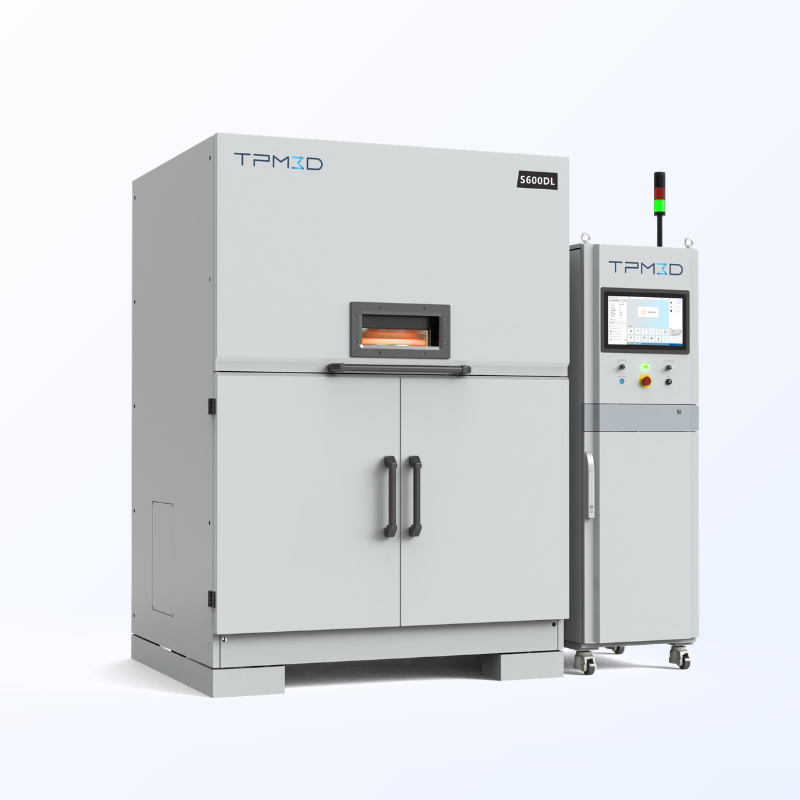
As IEEE Spectrum reports, a traditional prosthetic socket requires 12–16 hours of technician labor [2]. With SLS, the digital design step takes 15–30 minutes in CAD software — and once the file is finalized, the printer handles the rest autonomously. A TPM3D S600DL with dual 140W lasers and a 600×600×800 mm build volume [4] can nest multiple sockets simultaneously, producing an entire day’s worth of patient cases in a single overnight print run. That same Spectrum article notes that 3D printing can produce five sockets overnight [2].
The technician’s time shifts from repetitive manual labor to higher-value work: patient assessment, design refinement, and clinical fitting. The labor cost per socket drops because the most expensive resource in the room is no longer the bottleneck.
3. Iteration Shrinks from Days to Hours
In traditional workflows, every fit adjustment requires re-making the plaster model entirely — a 2–3 day cycle per revision [1]. Even the most experienced prosthetist can’t avoid it because a deviation as small as 1 mm in a pressure zone can compromise fit and comfort [1].
With SLS, the digital design file is modified in CAD and re-printed. Adjustments take minutes. The iterative loop shrinks from days to hours. IEEE Spectrum confirms that 3D-printed prosthetics are “more precise, requiring fewer adjustments” and result in “fewer follow-up visits” [2].
4. Remote Manufacturing Reduces Geographic Overhead
A patient in a rural clinic hours from the nearest fabrication lab faces significant travel burden for fittings. With SLS, the workflow can be split: a local clinician scans the residual limb using a handheld 3D scanner, uploads the file, and a central production facility prints and ships the finished socket.
This isn’t hypothetical. European provider ProsFit operates a cloud-based digital platform that enables exactly this model — clinicians can design and order custom 3D-printed prosthetic sockets from any location, with ISO 10328-certified strength testing and GDPR-compliant data security [5]. The platform’s “Distributed Care” model allows patients to get fitted anywhere, including at home [5].
5. Batch Production Drives Down Unit Cost
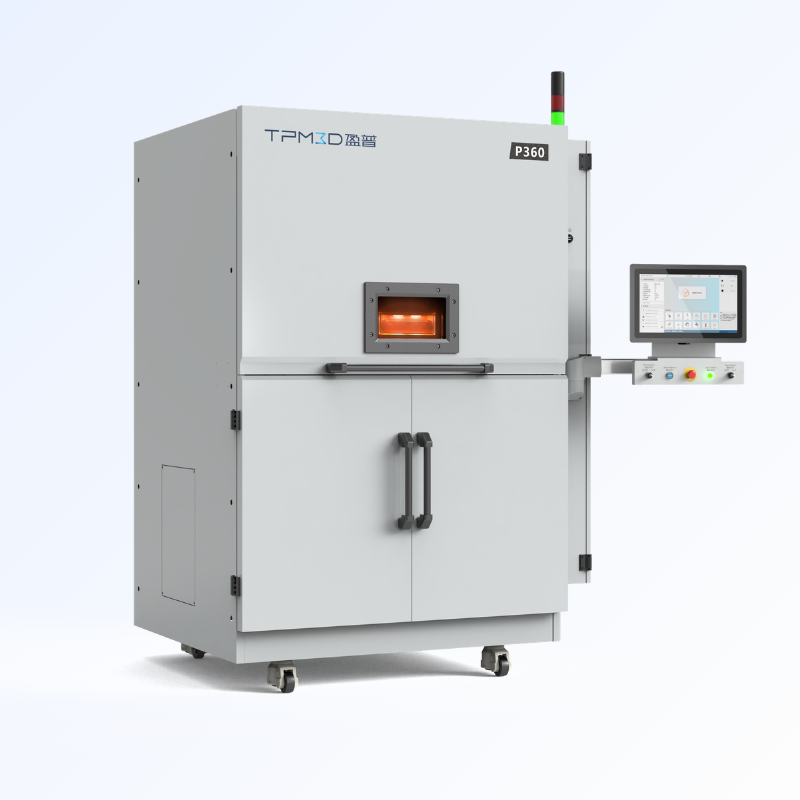
A large-format SLS printer like the TPM3D S600DL — with a build volume of 600×600×800 mm [4] — can pack multiple prosthetic components into a single build. Unlike traditional methods where each socket is built one at a time by hand, SLS enables genuine batch production.
Higher nesting density per build means lower cost per part. The economics scale with volume: the more sockets you produce, the more cost-effective each individual socket becomes. This is the opposite of traditional manufacturing, where labor scales linearly with output.
Real-World Validation: The Edser Case
The cost reduction isn’t theoretical. In 2025, Spanish orthotics manufacturer Edser — a company with nearly 30 years of clinical experience in spinal braces, mobility aids, and custom footwear — adopted TPM3D’s SLS technology to transform their production [3].
Using the TPM3D S600DL with dual 140W lasers, Edser achieved measurable outcomes [3]:
| Metric | Result |
|---|---|
| Single-layer print time | Reduced by ~50% (dual laser scanning) |
| Material utilization | Near 100% (powder recycling, 20% fresh powder per batch) |
| Post-processing efficiency | Automated via TPM3D PPS powder station |
| Customer delivery speed | Significantly faster turnaround vs. traditional methods |
Edser’s CEO, Sergio Sanchez-Osorio, projected that 90% of their products would eventually be manufactured via additive manufacturing [3]. When a 30-year veteran of orthotics manufacturing makes that bet, it’s because the numbers work.
The same economics apply to prosthetics. A prosthetic socket built on TPM3D equipment using SLS-optimized polymers delivers the same fundamental advantage: digital precision, batch production, and dramatically reduced waste — all translating to lower per-unit cost.
Materials That Make It Possible
Cost reduction means nothing if the material can’t perform. The reason SLS works for prosthetics isn’t just the printer — it’s the polymer chemistry.
Two materials dominate prosthetic SLS production, both supported across TPM3D’s S-Series platform [4]:
PA11 (Nylon 11) — for Load-Bearing Sockets
- High impact resistance and fatigue tolerance — critical for lower-limb sockets subjected to thousands of loading cycles daily [1]
- Flexibility without brittleness: absorbs stress rather than cracking
- Processing stability during sintering ensures consistent mechanical properties batch-to-batch
- Biocompatible options available for skin-contact applications [1]
PP Pro (Polypropylene) — for Adjustable Fit
- Extremely low moisture absorption — won’t swell or deform in humid environments
- Can be heat-reshaped after printing, enabling precise fit adjustments [3]
- Lightweight: reduces the perceived weight burden for above-knee amputees
- When combined with lattice structures, allows gradient stiffness within a single component [3]
Both materials benefit from SLS’s inherent advantage: no support structures required. Complex internal geometries — ventilation channels, lattice cushioning zones, anatomical contours — print freely, without the material waste and labor of support removal.
The Production Workflow
For a prosthetics lab or medical device manufacturer considering SLS, the workflow follows five steps [1]:
1. Scan — A handheld 3D scanner captures sub-millimeter detail of the residual limb in minutes [1]. No plaster, no mess, no patient discomfort.
2. Design — The scan data imports into prosthetic CAD software. The technician adjusts socket geometry, pressure distribution, and trim lines digitally.
3. Print — The design file is nested alongside other patient cases on a TPM3D S-Series system. An S600DL can print one socket or twenty — the labor involvement is identical.
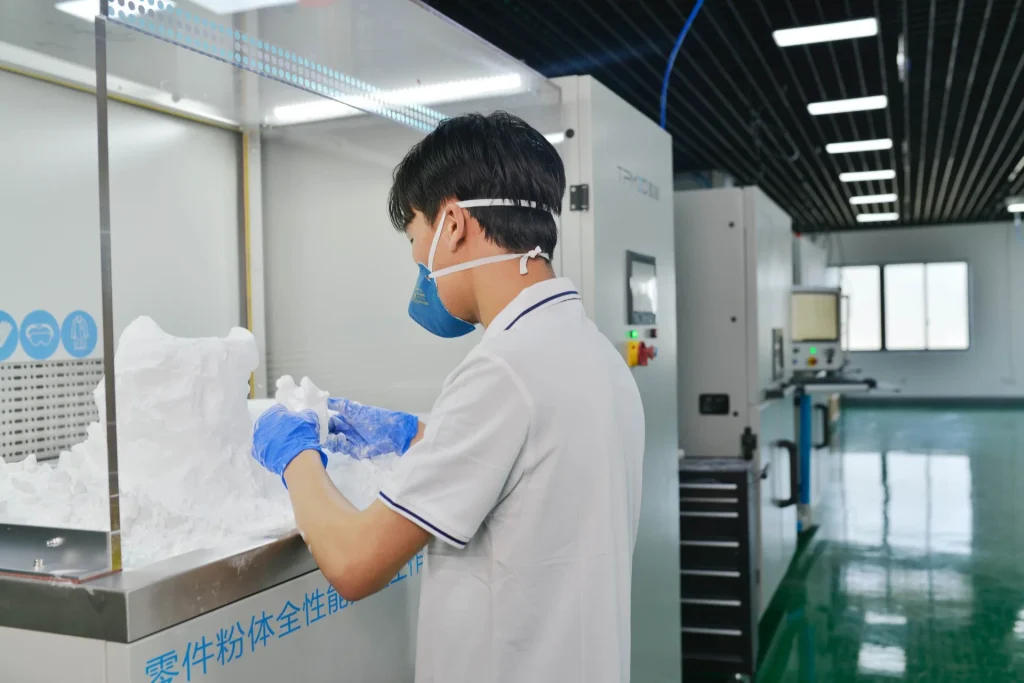
4. Post-process — Parts move to a TPM3D PPS powder station for automated de-powdering, powder recovery, and surface finishing. The recovered powder feeds back into the next build [3].
5. Fit — The patient arrives. If adjustments are needed, the digital file is modified and re-printed. No plaster model to re-make.
Honest Limitations
SLS is not a magic wand. Three realities to acknowledge:
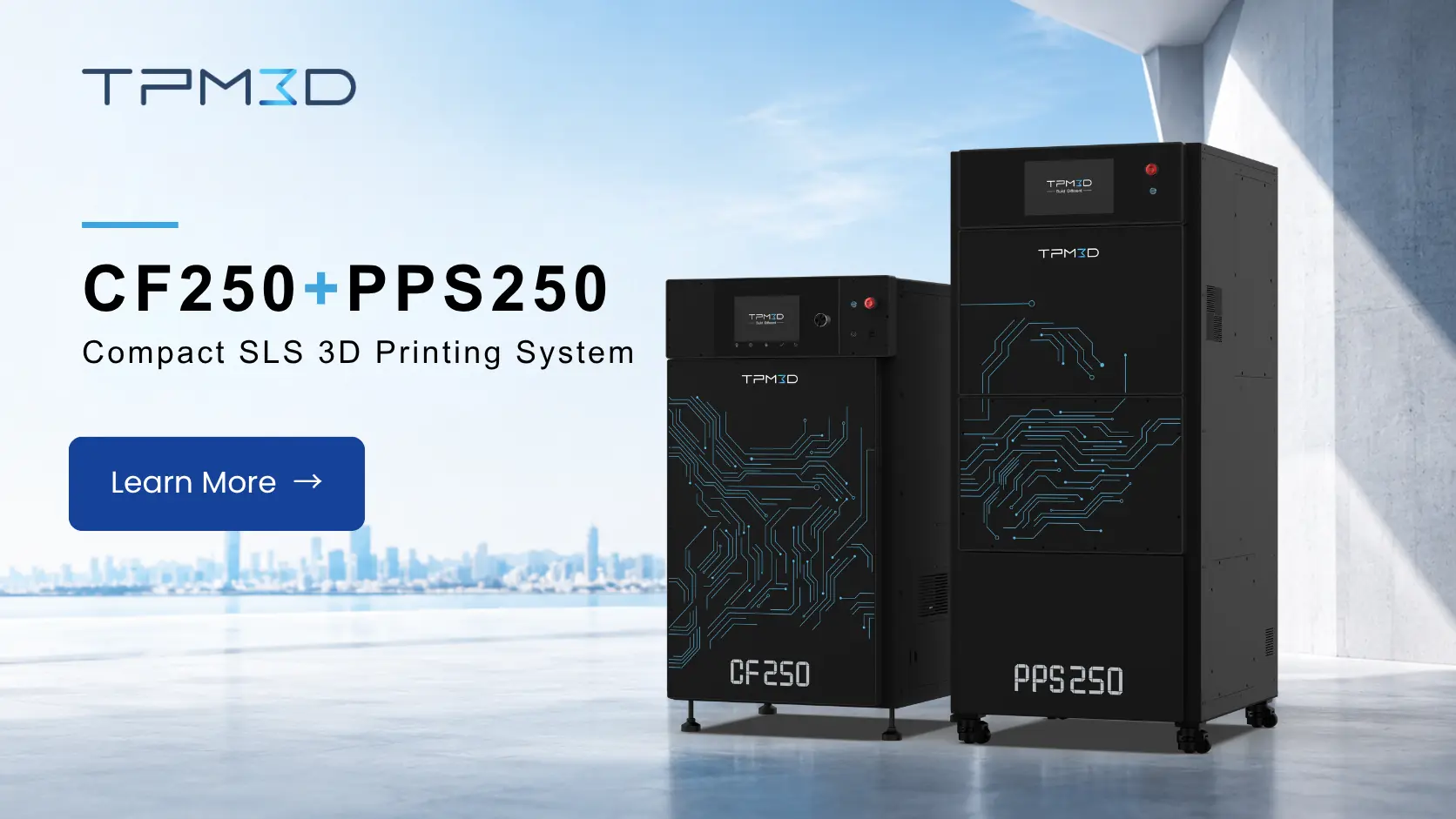
- Capital investment: An industrial SLS system like the S600DL represents a significant upfront cost. The ROI comes over months of production volume, not days. For low-volume clinics, TPM3D offers compact systems like the CF200 as an entry point [4], and 3D printing services for those not ready to own equipment.
- Training requirement: Clinicians need to learn scanning and CAD tools. This is a real learning curve — but the productivity gains compound once the team is trained. Research published in the Canadian Prosthetics & Orthotics Journal confirms that a standardized digital workflow reduces practitioner time and improves patient care [6].
- Regulatory compliance: Medical devices face different regulatory requirements by region (FDA in the US, MDR in Europe, NMPA in China). SLS materials and processes must be validated for each application.
These are not reasons to avoid SLS. They are reasons to plan the transition carefully — and to work with a provider that offers training, service support, and materials with recognized certifications: TPM3D’s SLS systems carry TÜV Rheinland CE certification, and its Nylon 12 material holds UL94 5VA flame retardant certification [7].
The Bottom Line
The 40% cost reduction isn’t one big number from one big change. It’s the accumulation of small, compounding savings:
- No plaster to buy and throw away
- No technician hours lost to hand modifying models (12–16 hours per socket in traditional workflows [2])
- No rework because a plaster model was half a millimeter off [1]
- No wasted travel for patients in remote areas
- No idle production capacity while waiting for plaster to cure
For a clinic producing 200 prosthetic sockets per year, a 40% reduction in per-socket production cost means recapturing tens of thousands of dollars annually — money that goes back into serving more patients, investing in better materials, or simply improving margins.
SLS doesn’t replace the prosthetist’s skill. It amplifies it — by removing the repetitive manual labor that consumes their time, and replacing it with a digital workflow that turns every socket into a precisely repeatable product.
References
[1] Wang, J. (2025, December 26). “How SLS 3D Printing Is Revolutionizing Prosthetics: From Custom Fit to Digital Precision.” TPM3D Blog. https://english.tpm3d.com/3d-printing-prosthetics-from-traditional-method-to-digital-precision/
[2] Young, B. H. (2025, November 12). “Prosthetics: 3D Printing’s Promise and Pitfalls.” IEEE Spectrum. https://spectrum.ieee.org/how-3d-printing-helping-prosthetics
[3] Wallet, M. (2025, September 17). “TPM3D Enables Edser to Deliver Faster and Better Orthotics Using SLS 3D Printing.” 3Dnatives. https://www.3dnatives.com/en/tpm3d-enables-edser-to-deliver-faster-and-better-orthotics-using-sls-3d-printing-170920254/
[4] TPM3D. “Industrial SLS 3D Printers: S-Series Platform.” https://english.tpm3d.com/s-series-sls-3d-printers/
[5] ProsFit Technologies. “Technologies: Cloud-Based Digital Platform & Expert System.” https://prosfit.com/technologies
[6] Anderson, S., et al. (2024). “Exploring the Future of Prosthetics and Orthotics: Harnessing the Potential of 3D Printing.” Canadian Prosthetics & Orthotics Journal, 7(1). https://pmc.ncbi.nlm.nih.gov/articles/PMC11168592/
[7] TPM3D. “Medical Industry Applications.” https://english.tpm3d.com/industry/medical/