Intake manifold design and manufacturing are entering a new era in motorsports, where every gram of weight and every millisecond of airflow response can influence performance on the track. For racing teams and performance tuners, lightweight, high-efficiency components are no longer optional — they are essential.
Taiwan-based DTM RACING SPORT (DTMRS), a specialist in high-performance racing modification solutions, is leveraging selective laser sintering (SLS) additive manufacturing to transform the development and production of motorsport components. By partnering with TPM3D, a leading SLS 3D printing technology provider, DTMRS has integrated industrial SLS manufacturing into its workflow for advanced racing intake systems and engine components.
From Casting and CNC Machining to Fully Digital Manufacturing
Traditional intake manifolds are typically produced using aluminum casting followed by CNC machining. The process requires mold production, casting, welding, and multiple machining operations, making manufacturing time-consuming and vulnerable to defects such as shrinkage cavities or dimensional inaccuracies.
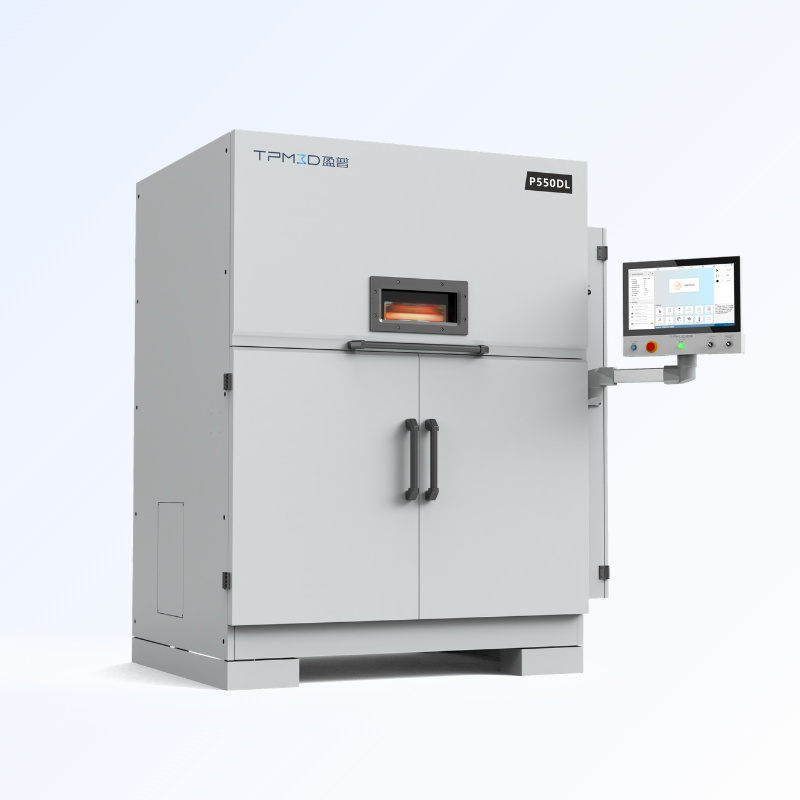
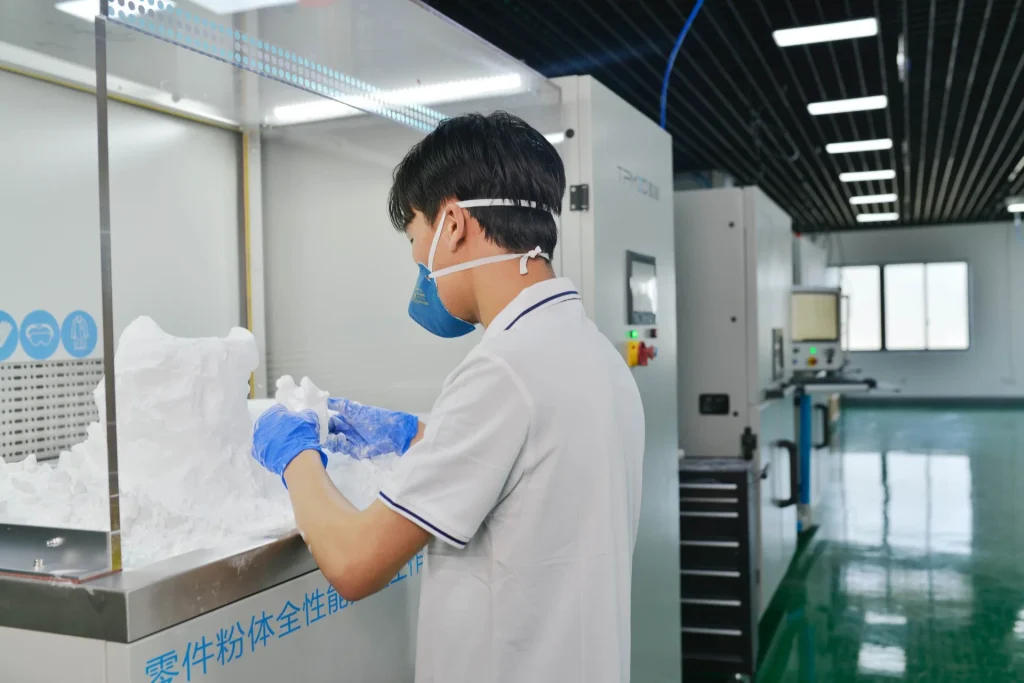
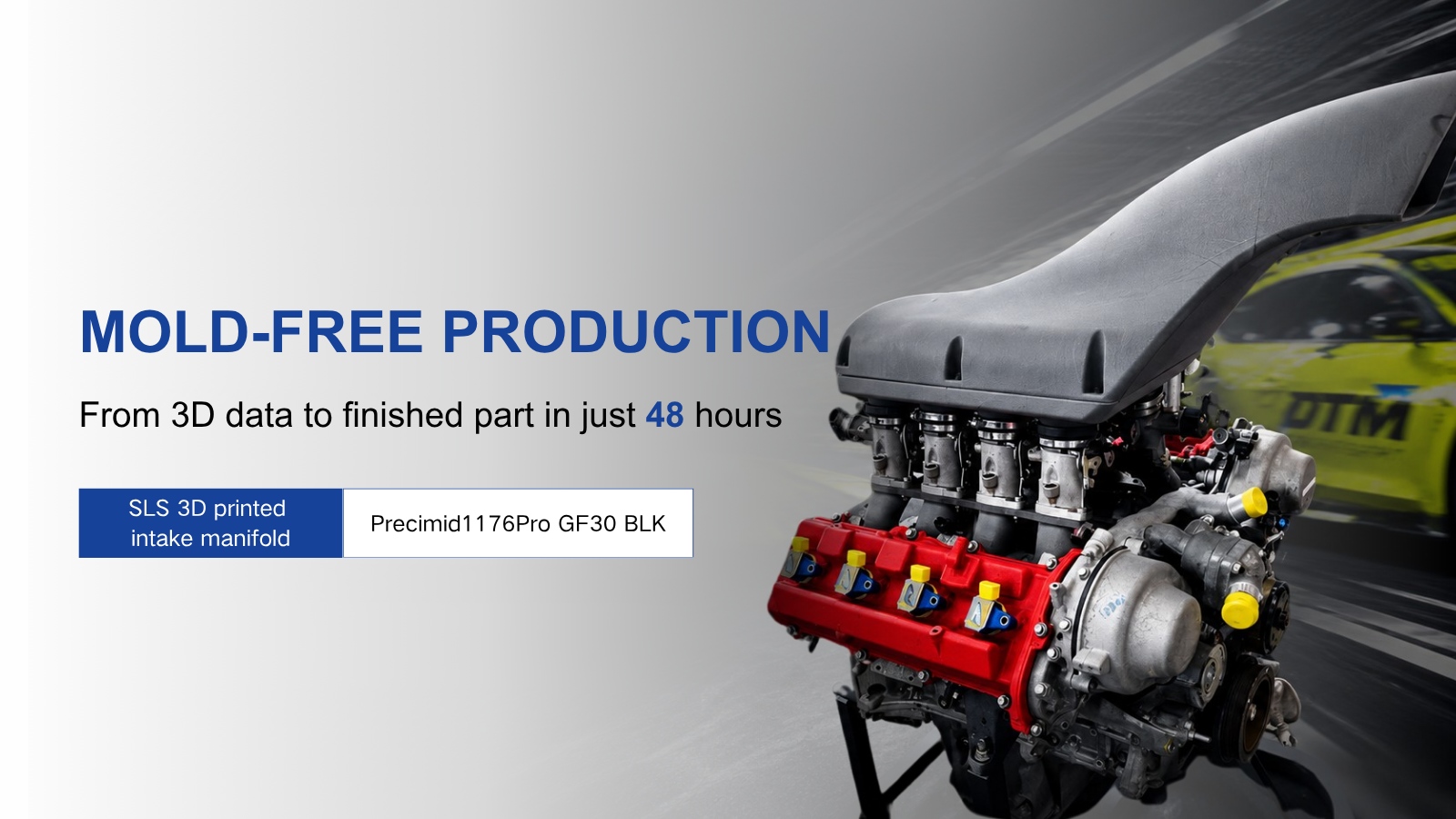
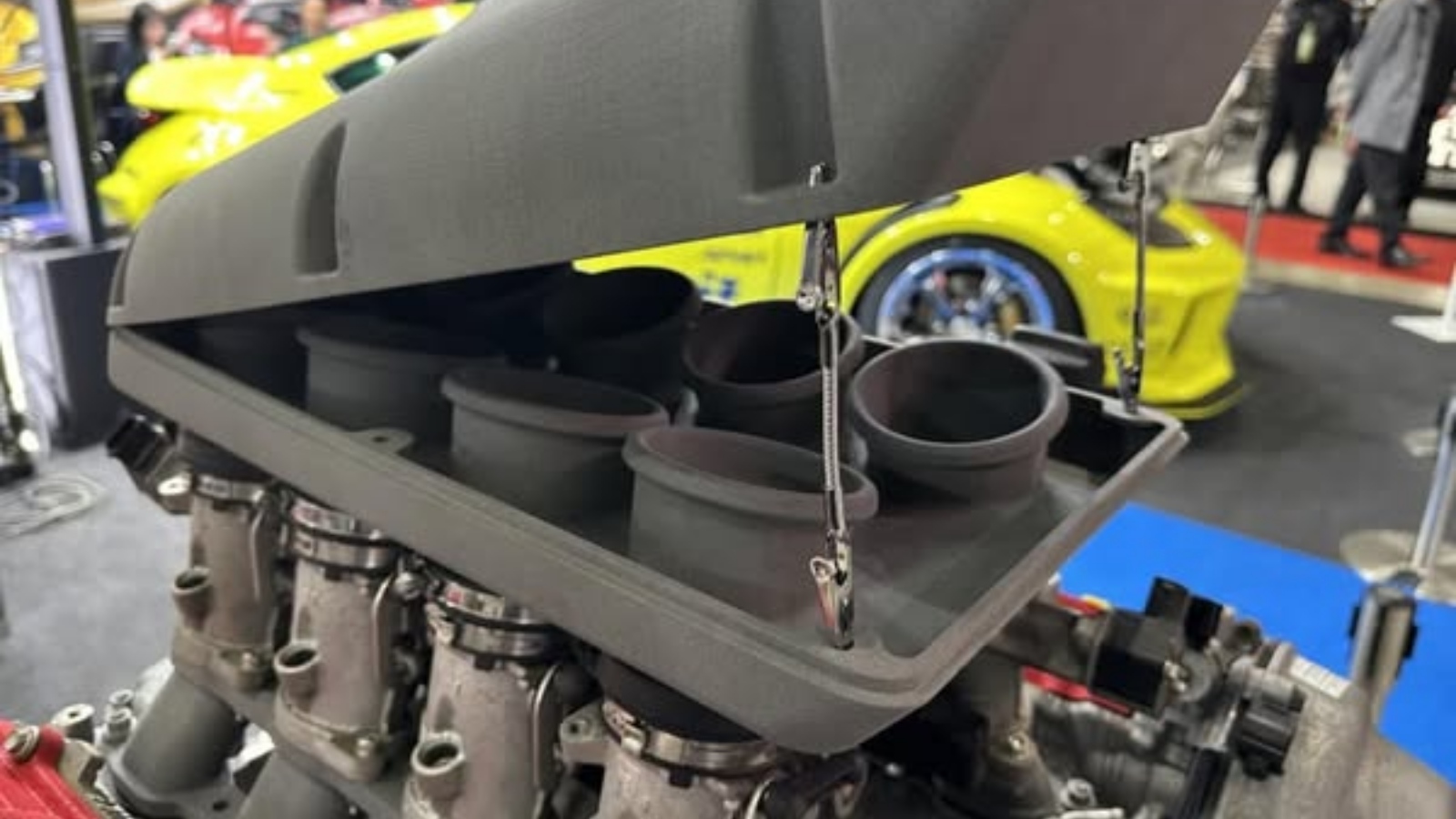
Using the TPM3D P360 SLS 3D Printer together with the TPM3D PPS360 Powder Processing System, DTMRS now directly prints intake manifolds and intake plenums using Precimid1176Pro GF30 BLK, a glass fiber reinforced nylon material designed for high-performance industrial applications.
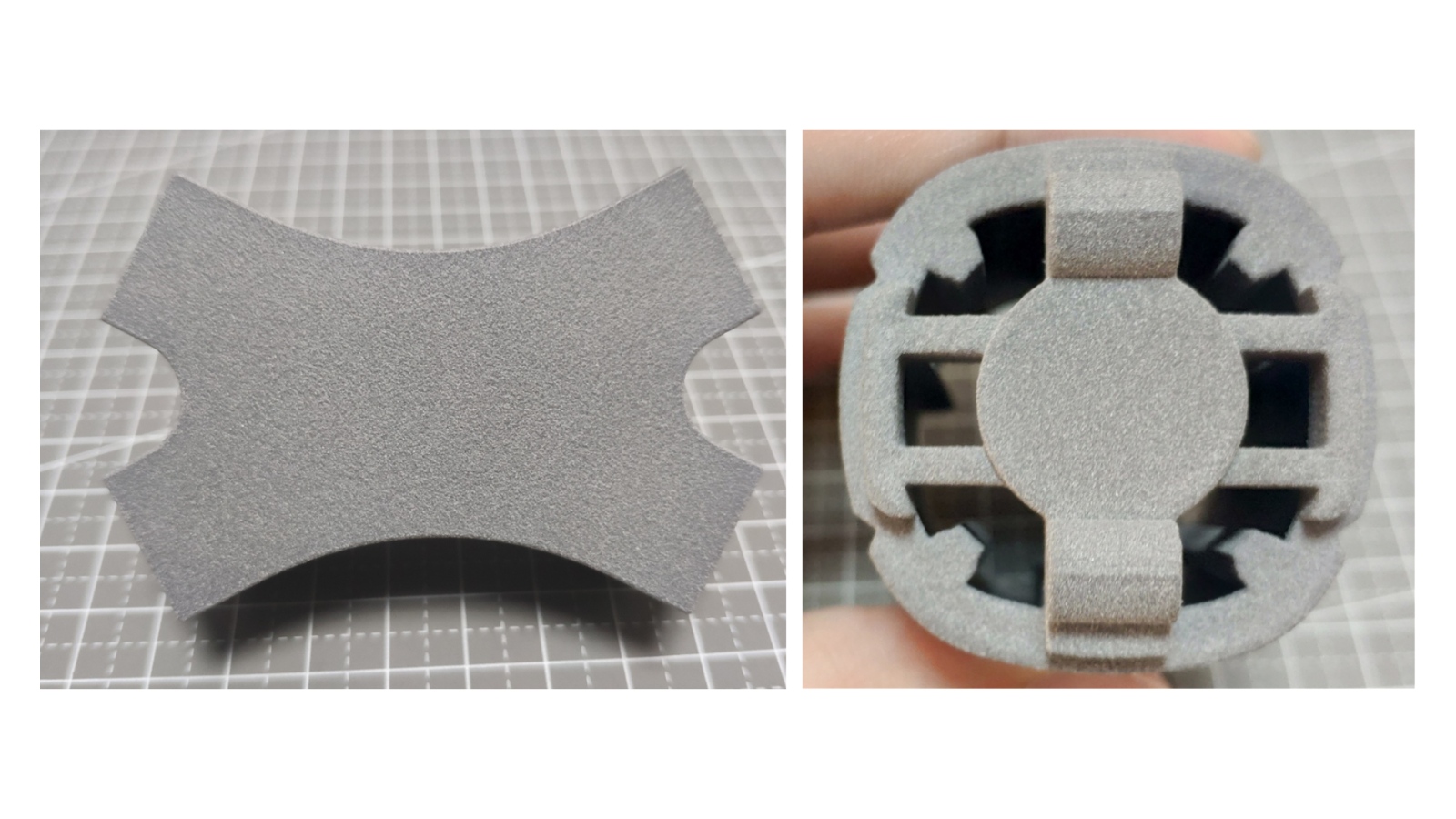
Without tooling or multi-step production processes, components can move from CAD design to finished part in as little as 48 hours. After simple post-processing, including sandblasting and surface smoothing, the printed parts achieve assembly tolerances of ±0.2 mm, meeting the strict fitment requirements of racing applications.
Faster Production Cycles and Lower Manufacturing Costs
For low-volume, highly customized racing applications, conventional manufacturing often struggles with cost efficiency. Tooling for intake manifold casting alone can cost tens of thousands of dollars, while labor-intensive finishing and inspection processes further increase production costs.
SLS 3D printing eliminates the need for molds entirely. Material utilization exceeds 90%, and unused powder can be recycled and reused for future production. According to DTMRS, the development cycle for a complete intake assembly has been reduced by more than 80% compared with traditional manufacturing methods.
Equally important, the fully digital manufacturing workflow delivers highly consistent part quality. Random casting defects such as porosity and air pockets are eliminated, allowing DTMRS to achieve near-100% production yield while rapidly iterating new designs for customers.
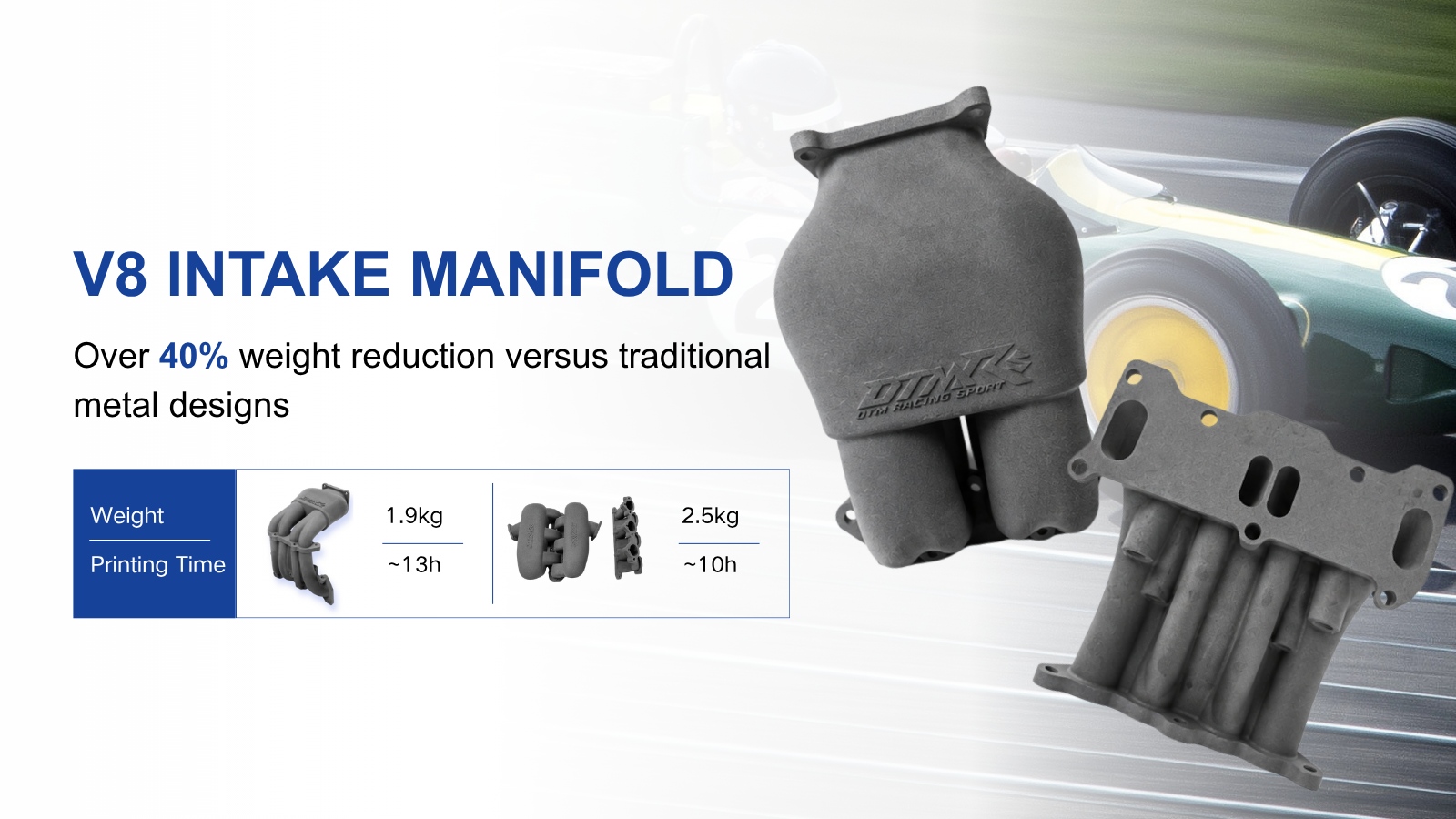
Lightweight Performance: A V8 Intake Manifold Weighing Only 1.9 kg
Weight reduction remains one of the most important factors in motorsport engineering, directly influencing power-to-weight ratio, handling, and vehicle balance.
By using integrated SLS-printed intake plenums and manifolds manufactured from glass fiber reinforced nylon, DTMRS significantly reduced component weight while maintaining structural performance.
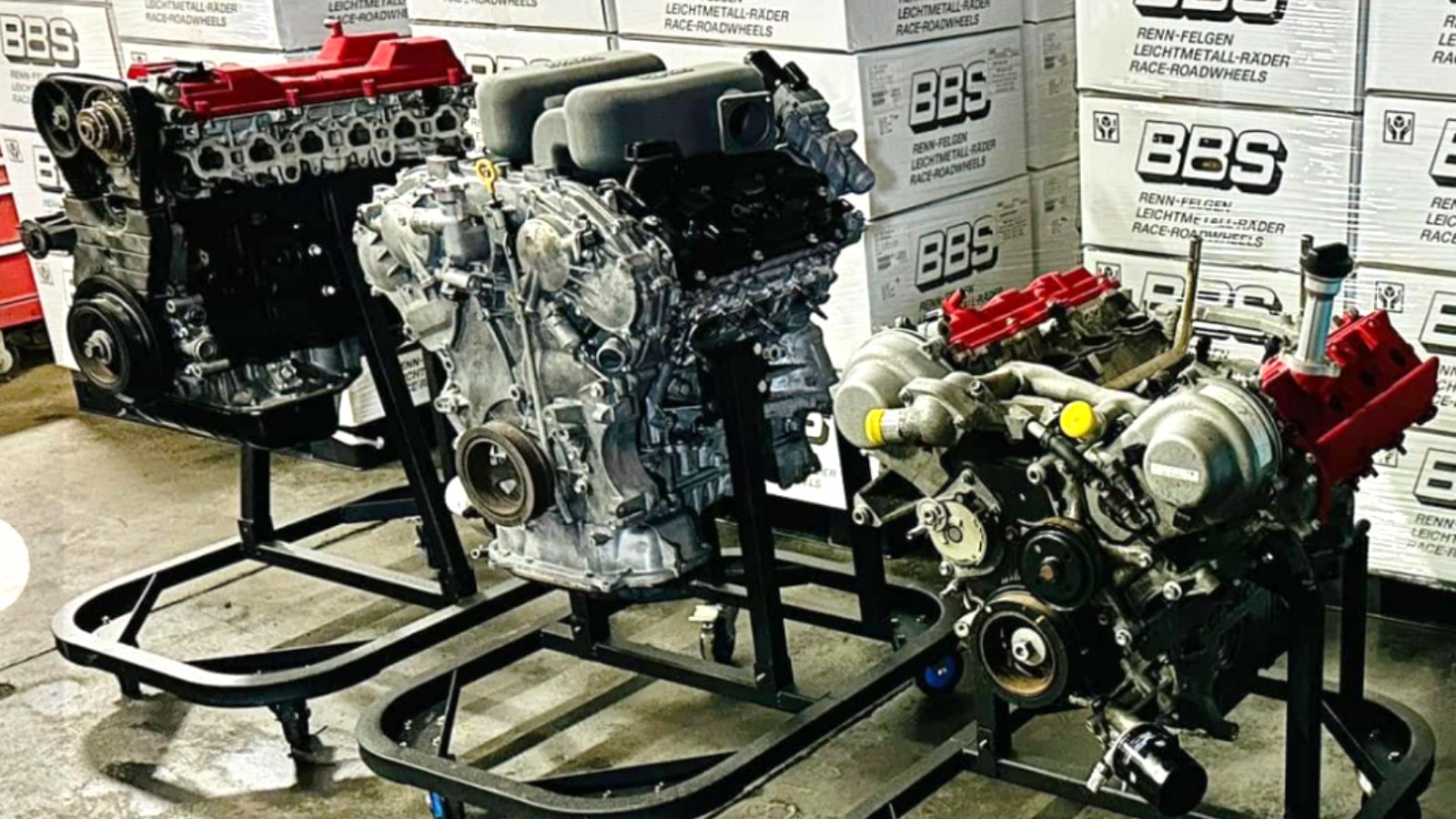
One V8 intake manifold produced with TPM3D’s SLS solution weighs only 1.9 kg and requires approximately 13 hours of print time. Another intake component weighs 2.5 kg with a production time of around 10 hours. Compared with conventional metal alternatives, the SLS-printed parts reduce weight by more than 40%.
Beyond lightweighting, SLS technology enables complex internal airflow channels, thin-wall geometries, and integrated structural features that are difficult or impossible to achieve through casting. These optimized airflow paths help improve intake efficiency and engine response.
Complex Geometries Without Manufacturing Constraints
Traditional manufacturing methods often limit engineers when designing curved internal channels, variable-section runners, or integrated reinforcement structures. SLS additive manufacturing removes many of those constraints.
With the large-format build volume of the P360 system (360 × 360 × 600 mm), DTMRS can print one-piece intake assemblies that integrate flanges, sensor mounting structures, and other functional details directly into the design. This reduces the need for welding, sealing, and secondary assembly operations.
After post-processing, the internal surface roughness of the airflow channels is significantly reduced, minimizing airflow resistance and supporting improved engine performance.
TPM3D P360 + PPS360: An SLS Solution for Digital Motorsport Manufacturing
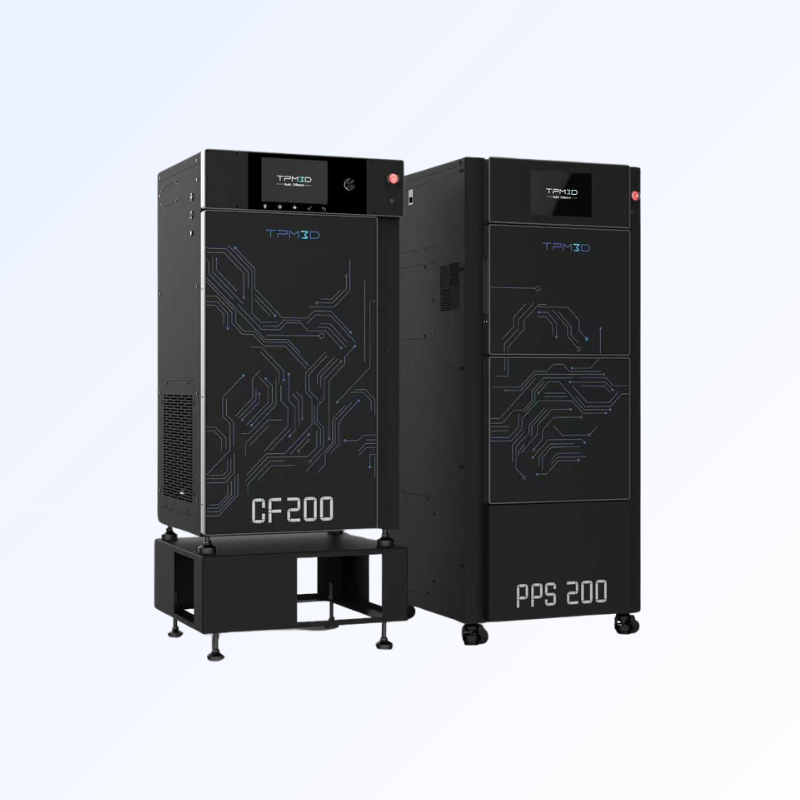
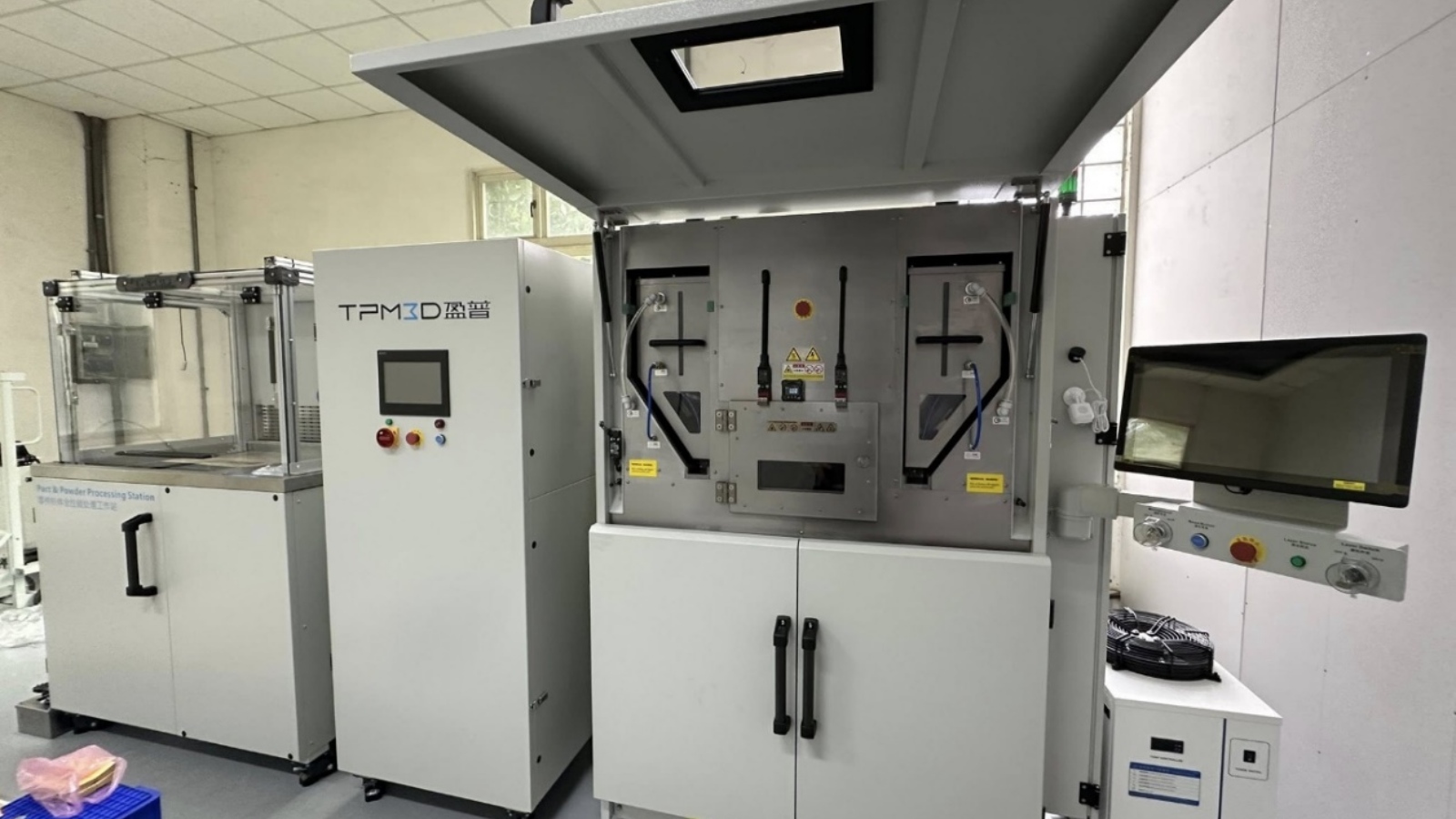
Motorsport manufacturing requires speed, repeatability, and production flexibility. TPM3D’s integrated SLS workflow combines the P360 industrial printer with the PPS360 powder processing workstation to create a compact, high-efficiency manufacturing system.
The P360 is CE-certified and features an integrated nitrogen generator and active cooling technology for continuous production operation. The PPS360 workstation supports automated powder recovery, sieving, mixing, and feeding while maintaining explosion-proof safety standards throughout the process.
For DTMRS, the solution enables a transition from conventional manufacturing toward flexible digital production — supporting everything from rapid prototyping to low-volume end-use racing parts.
SLS 3D Printing Is Reshaping the Future of Motorsport Components
The collaboration between TPM3D and DTM RACING SPORT demonstrates how industrial SLS 3D printing is changing the future of racing component manufacturing.
As limitations related to tooling, weight, cost, and production lead times continue to disappear, engineers gain greater freedom to optimize performance-driven designs. From intake manifolds to future powertrain applications, additive manufacturing is rapidly expanding what is possible in motorsport engineering.