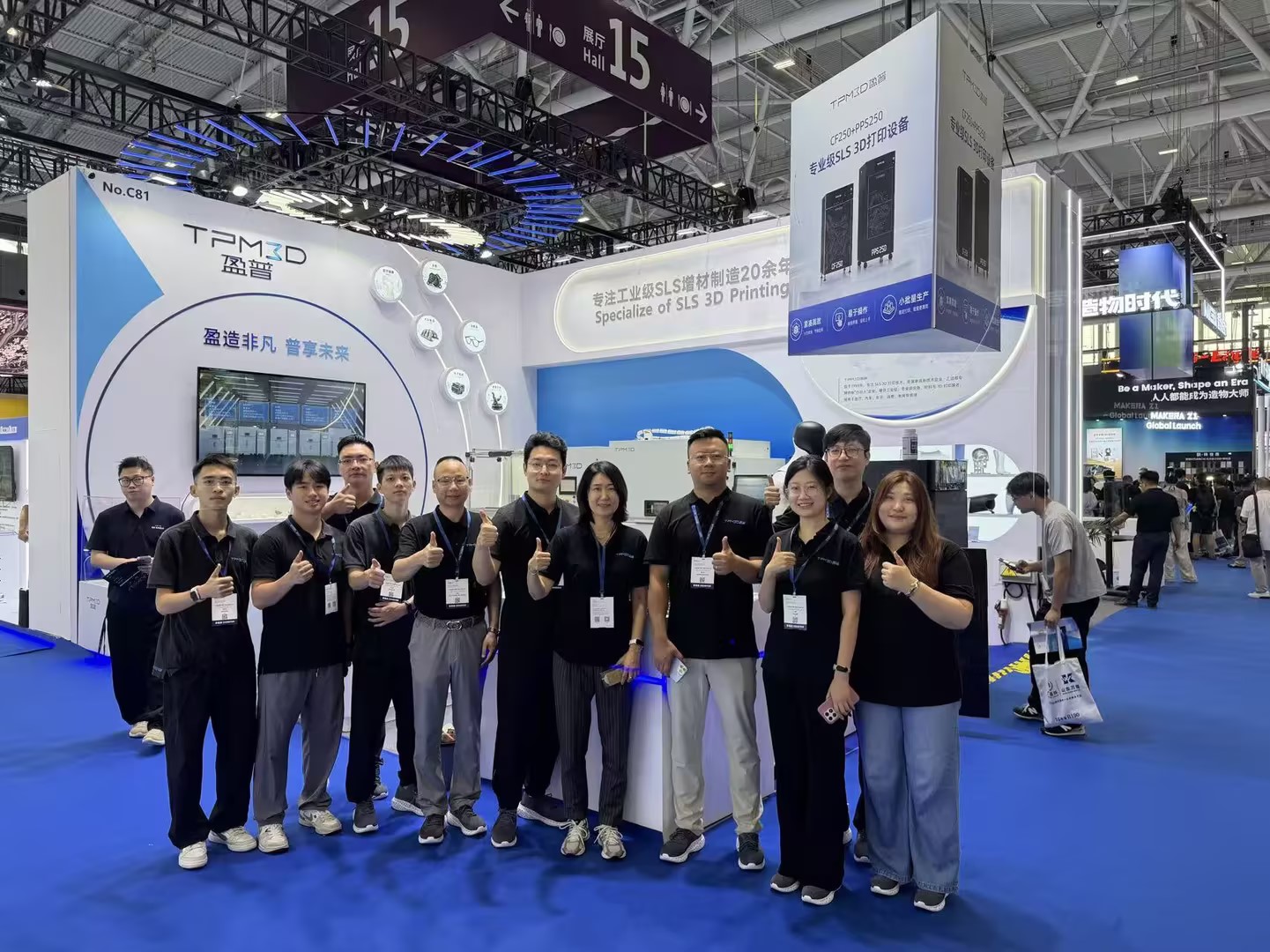
As manufacturers demand faster turnaround and greater customization, rapid prototyping is shifting from basic visual models to functional testing and small-batch production. Selective laser sintering (SLS) 3D printing is playing a central role in this transition, offering high precision, material versatility, and support-free fabrication.
TPM3D has partnered with Rapi3D to develop a full-process flexible manufacturing platform that integrates additive and subtractive technologies. The platform is designed to deliver fast, reliable prototyping services for industries including automotive, medical, robotics, and aerospace.
Scaling with Industrial SLS
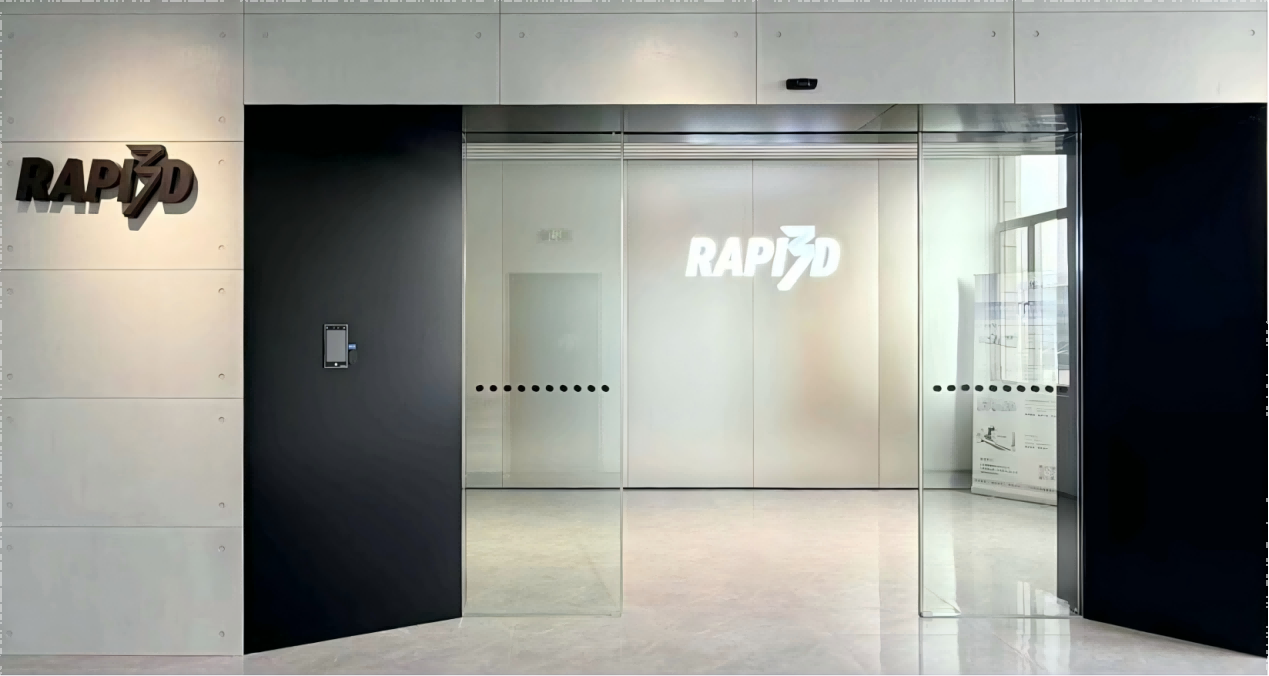
Rapi3D, founded by materials scientist Dr. Taolei Wang, operates a 2,000-square-meter facility in Jiangyin, China, with a full production chain spanning 3D printing and CNC machining. The company focuses on rapid response and customized manufacturing.
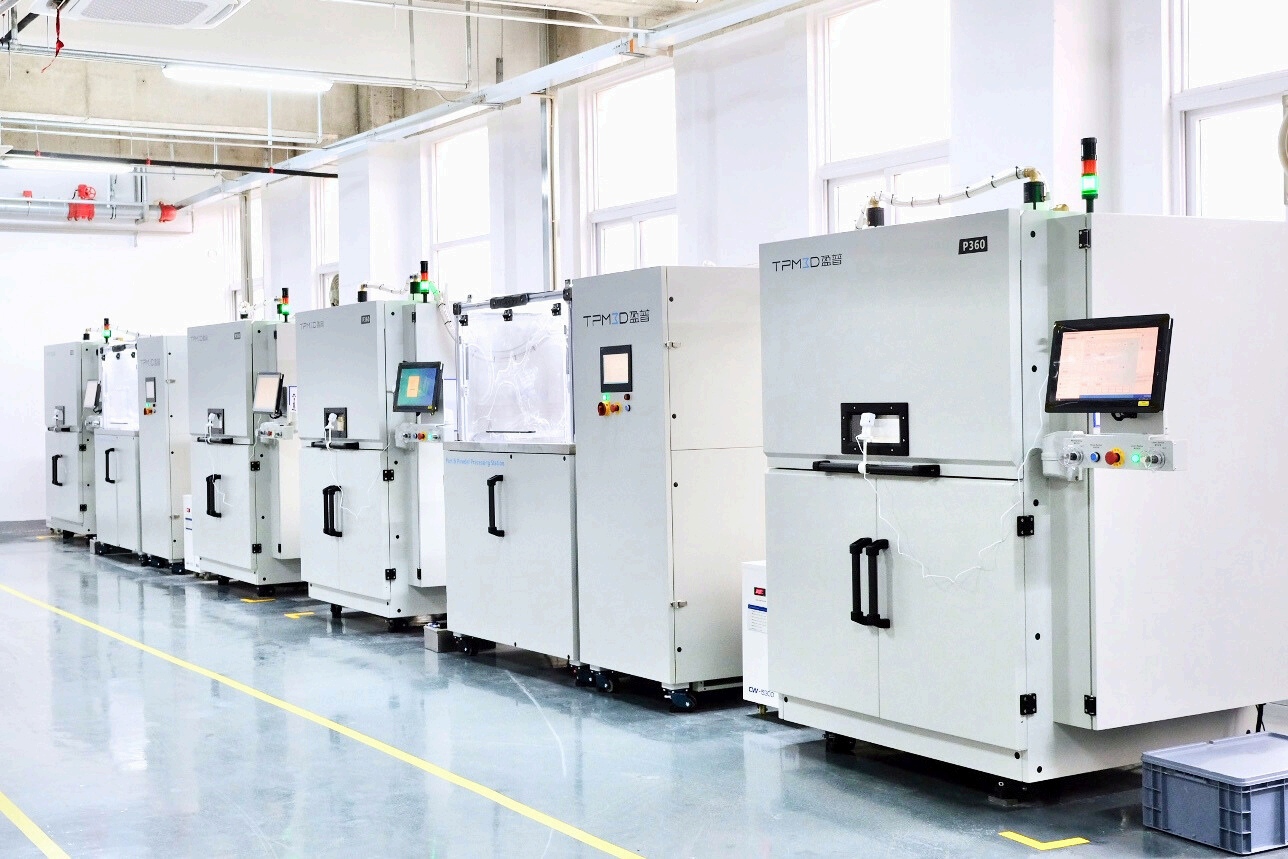
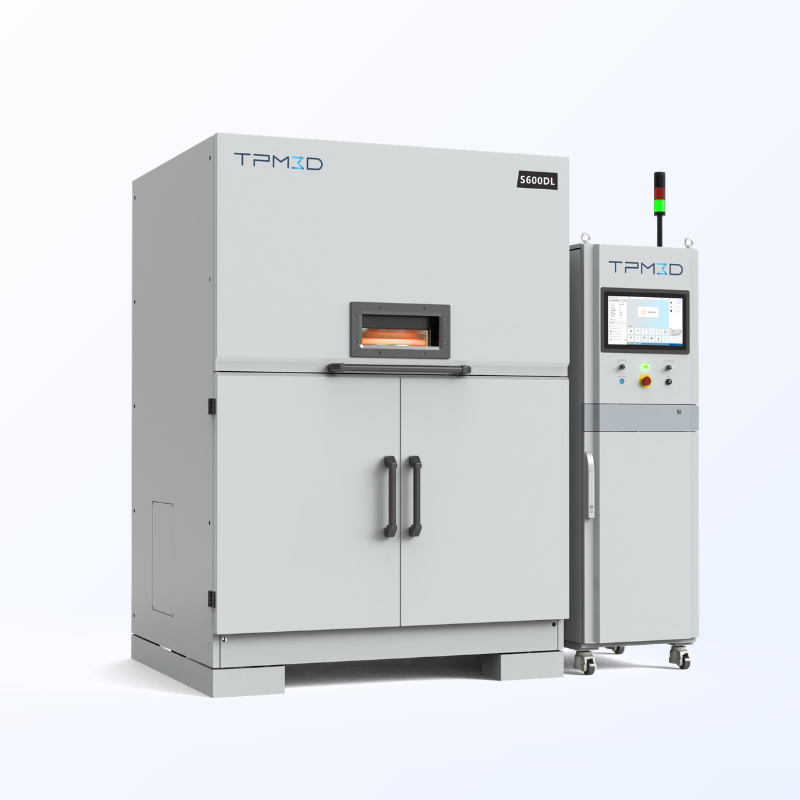
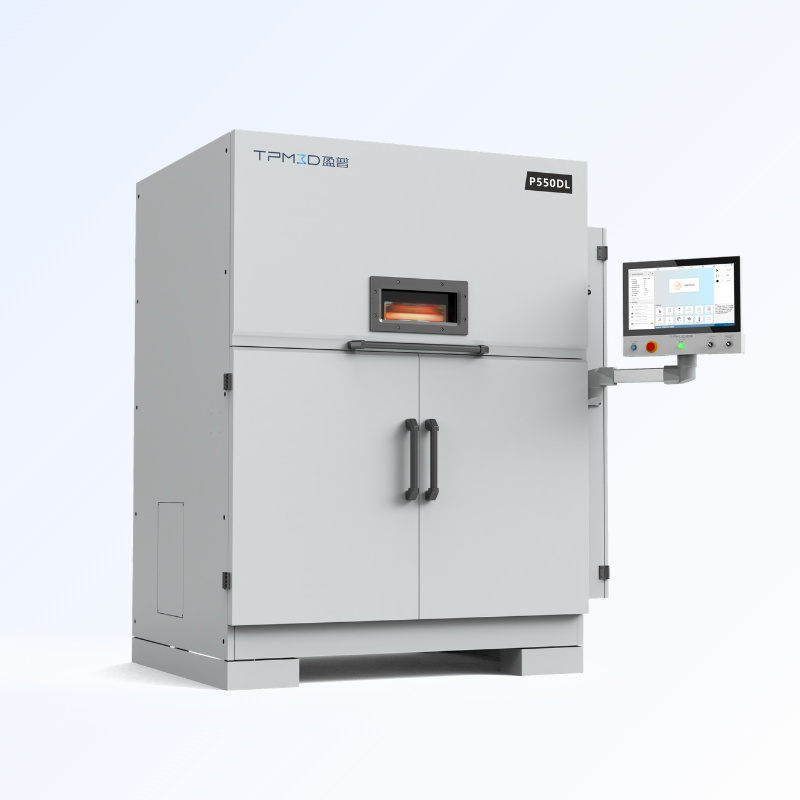
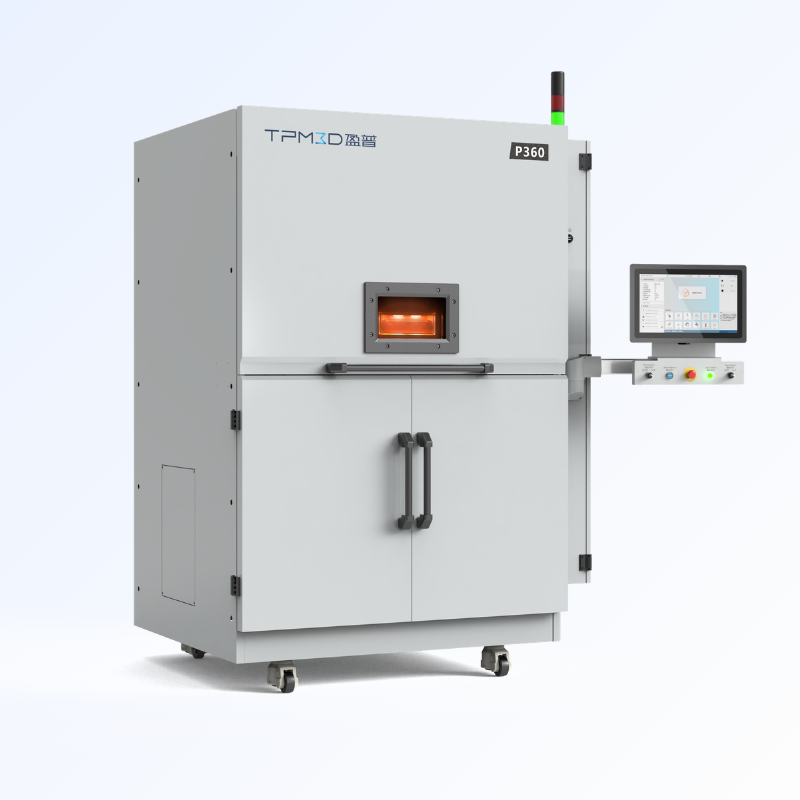
To strengthen its nylon SLS capabilities, Rapi3D deployed a cluster of TPM3D systems:
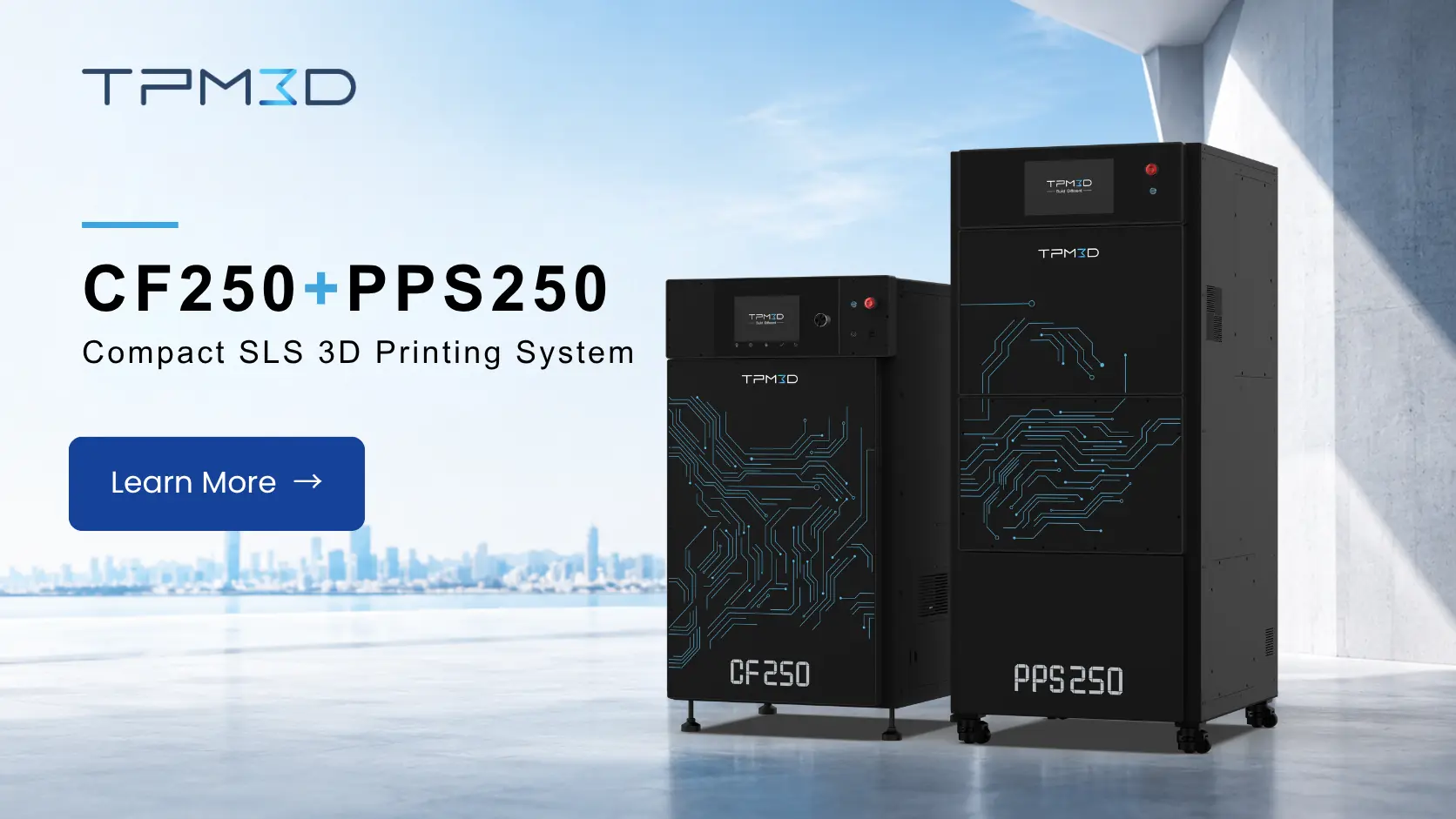
- Four P360 printers for mid-size, high-precision batch production
- One large-format P550DL system for parts up to 550 × 550 × 850 mm
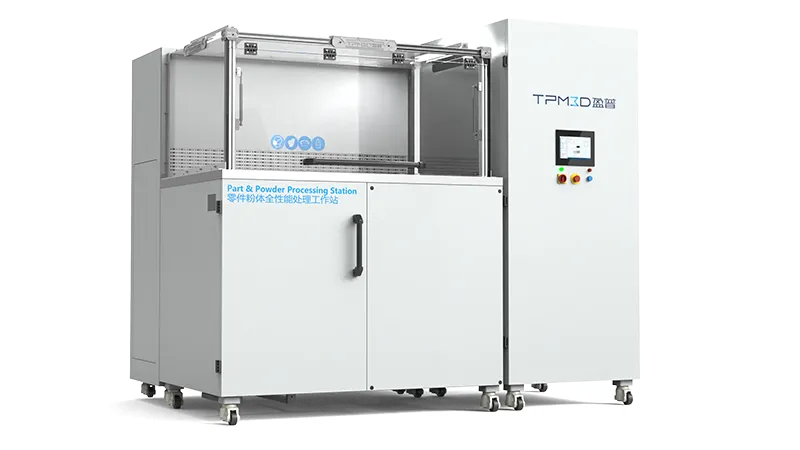
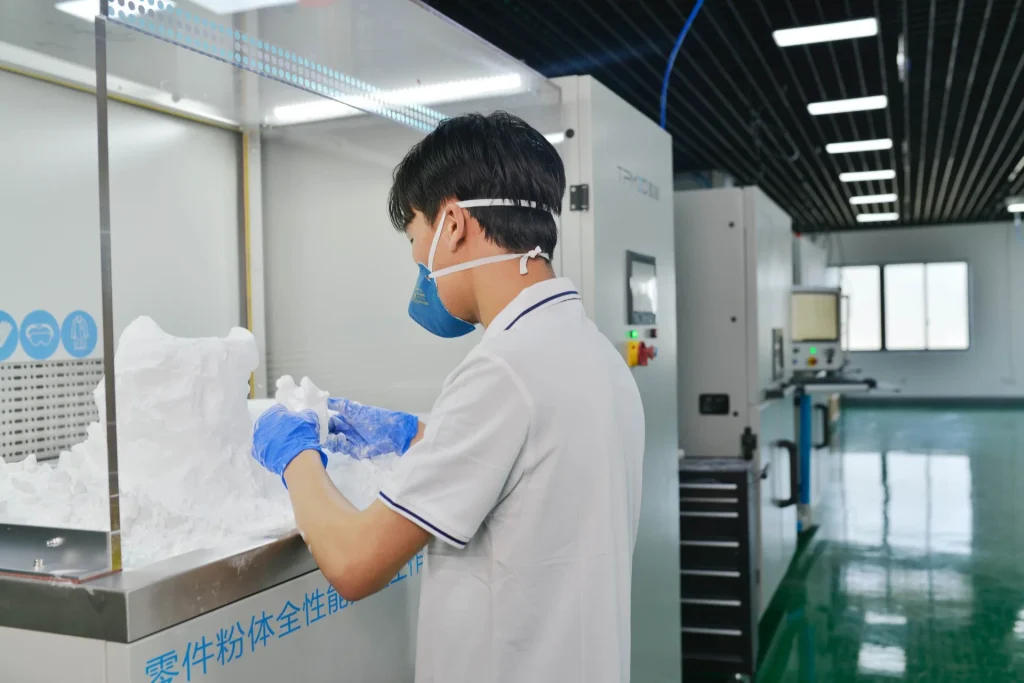
- Matching PPS powder handling systems for automated cleaning, recycling, and feeding
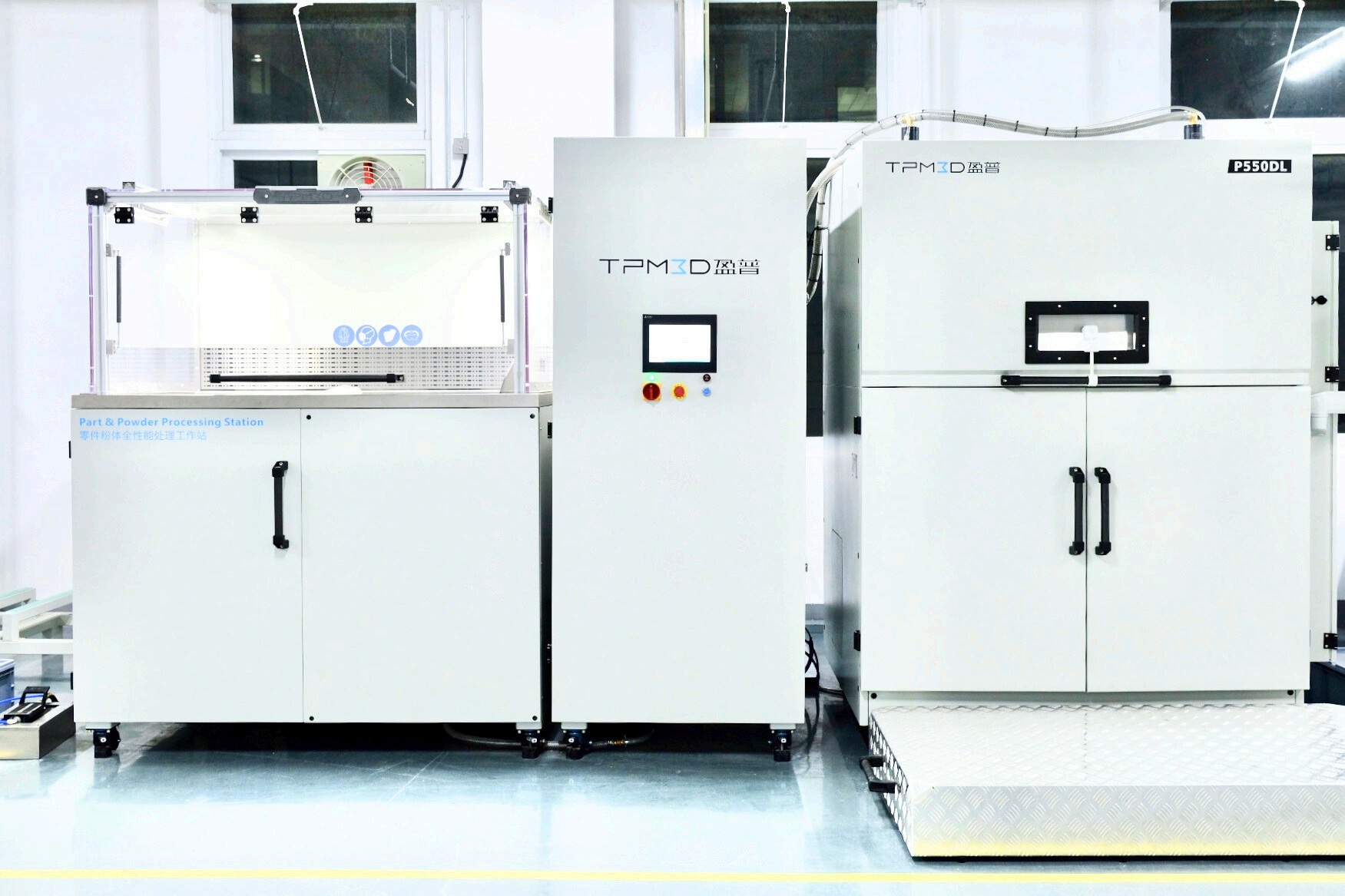
The setup allows Rapi3D to scale output while maintaining consistent quality. Smaller parts are produced efficiently on the P360 systems, while the P550DL enables large, integrated builds. TPM3D’s closed-loop powder management also improves material utilization and reduces labor costs.
Materials Built for Functional Prototyping
Rapi3D uses TPM3D’s engineering-grade powders to meet diverse prototyping requirements:
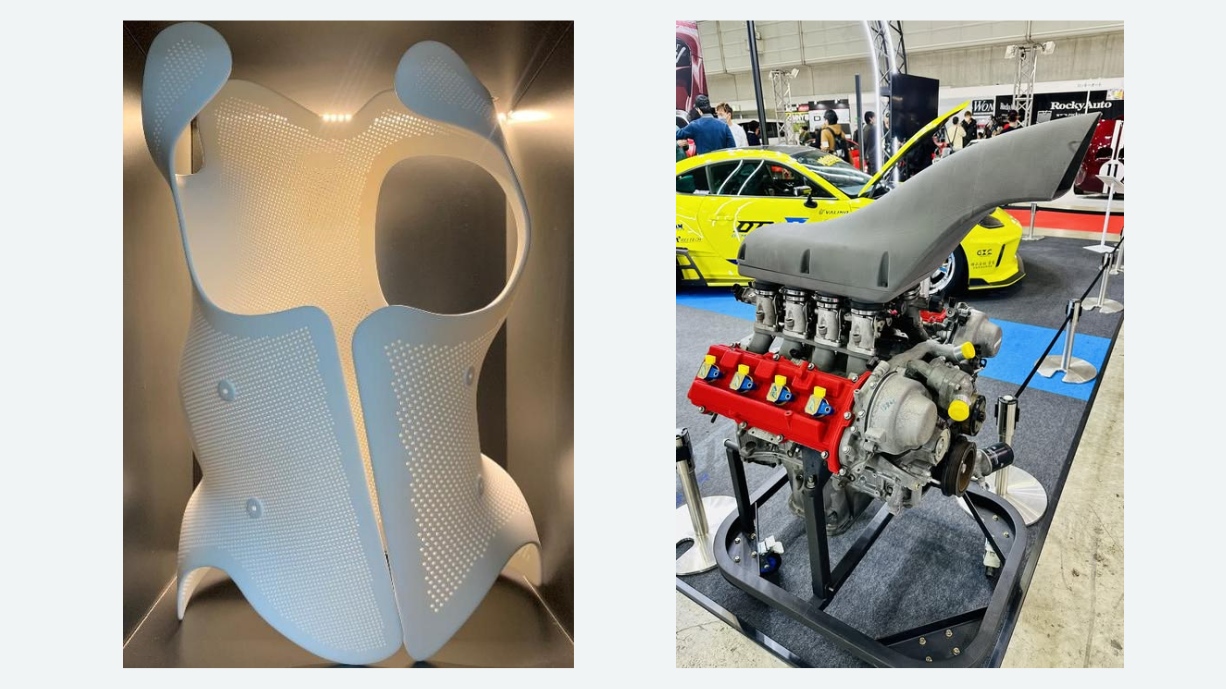
- Precimid1172Pro (white PA12) for balanced strength and surface quality
- Precimid1176Pro GF30 BLK (glass fiber-reinforced nylon) for higher stiffness and heat resistance
These materials support applications ranging from medical devices to automotive components. PA12 is commonly used for durable, high-finish parts, while glass fiber-reinforced nylon enables functional testing and large, high-precision structures.
From Prototype to Production
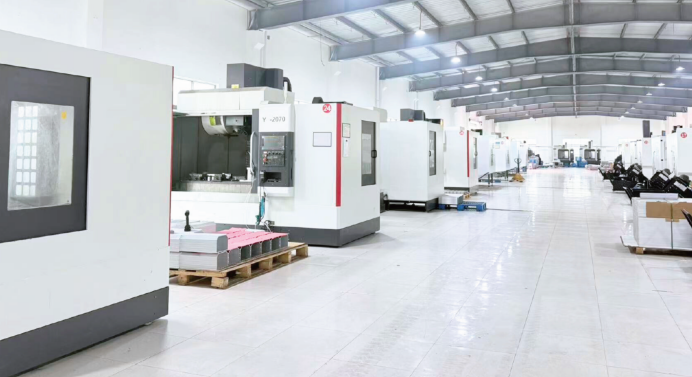
Beyond 3D printing, Rapi3D operates more than 100 multi-axis CNC machines, enabling precision machining of both plastic and metal parts. Combined with surface finishing processes such as anodizing and electroplating, the company offers a complete workflow—from rapid prototyping to batch production.
This integrated “additive + subtractive” approach allows delivery in as little as 48 hours, addressing growing demand for speed and flexibility in product development.
Expanding the Role of SLS
The collaboration between TPM3D and Rapi3D reflects a broader trend: SLS is moving from prototyping into low-volume manufacturing. With large-format systems, advanced materials and automated powder handling, service providers can now deliver both speed and scalability.
TPM3D said it will continue working with Rapi3D to expand SLS applications in prototyping and small-batch production, supporting faster product iteration across advanced manufacturing industries.