
P-SERIES SLS 3D PRINTERS

Industrial SLS 3D Printers for High-Throughput Additive Manufacturing

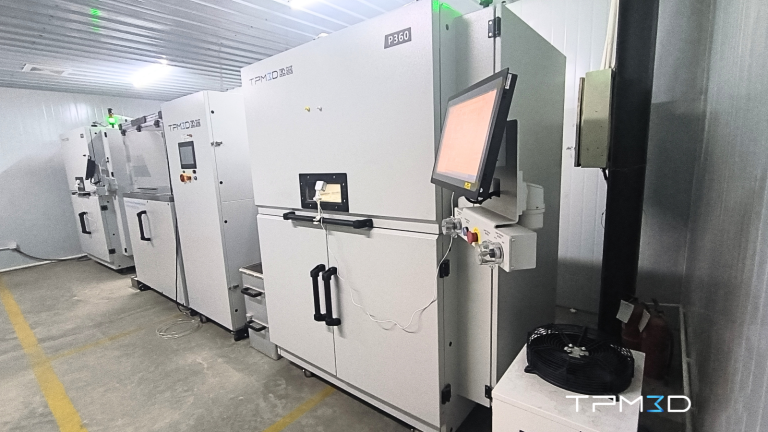
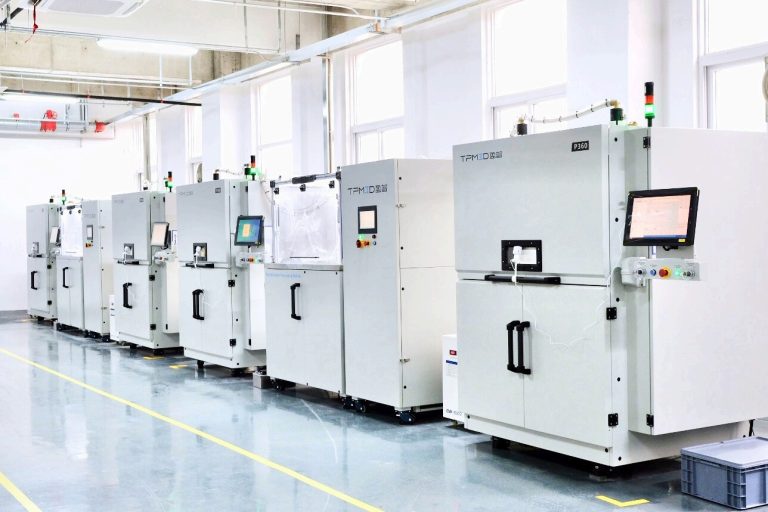
The TPM3D Performance Series (P Series) is engineered for continuous production. It integrates features like a built-in nitrogen generator and active cooling, ideal for industries seeking industrial-grade results at high throughput.

Top-Loaded Powder Feeding

Reduces machine footprint, lowers energy consumption

Built-In Nitrogen Generator

Enhances print quality and material stability

Patented Active Cooling

Reduces cooling time and minimizes material aging

Compact Design

Fits easily into labs, workshops, and production lines

Wide Material Compatibility

PA12 / PA11 / TPU and more

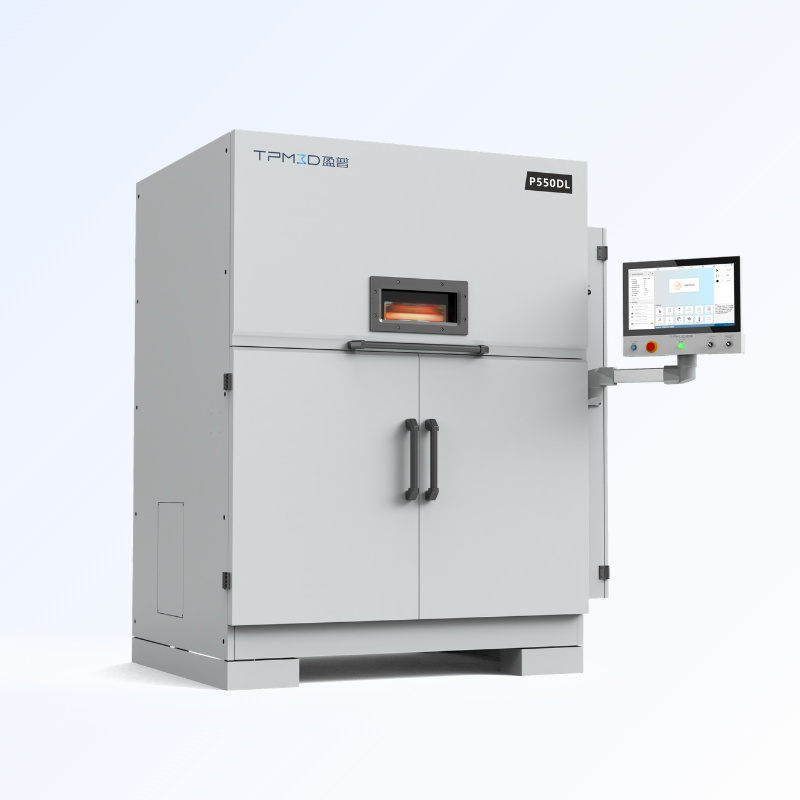
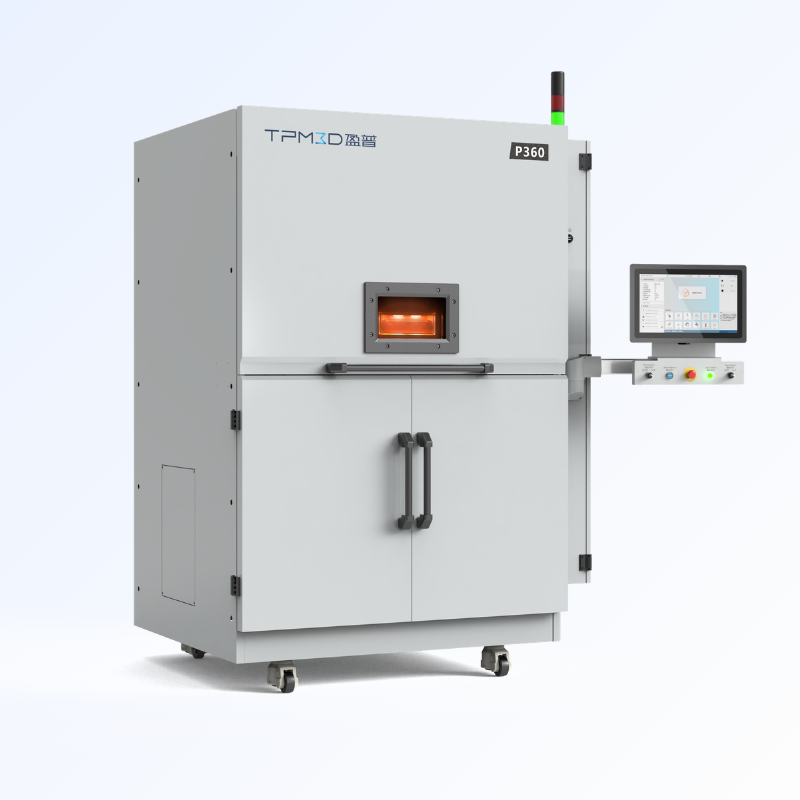
Industrial SLS 3D Printer Models in the P Series

The P Series includes two selective laser sintering machines designed for mid-size and large-format production. Both models support engineering-grade thermoplastics and are used in prototyping, bridge production, and end-use part manufacturing.

· Build Chamber: 550 x 550 x 850 mm

· Laser: 140W*2 Double Laser

· Building Speed: 10~25 mm/h

· Max Scanning Speed: 22,000 mm/s

· Build Chamber: 360 x 360 x 600 mm

· Laser: 60W

· Building Speed: 10~25 mm/h

· Max Scanning Speed: 15,000 mm/s


Watch the P Series in Action

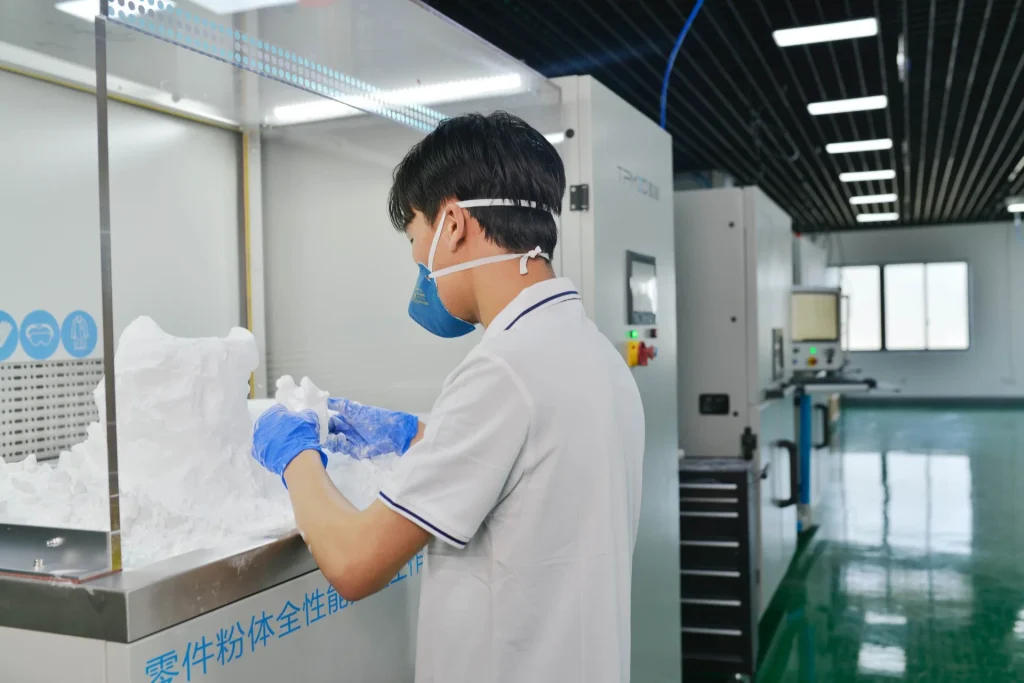
Overview of system operation, powder handling workflow, and thermal management in the P Series SLS 3D printers.

Applications of P Series SLS 3D Printers

The P Series SLS systems are used in industrial additive manufacturing for prototyping and production across multiple industries

s series printers applied in automotive industry

Automotive

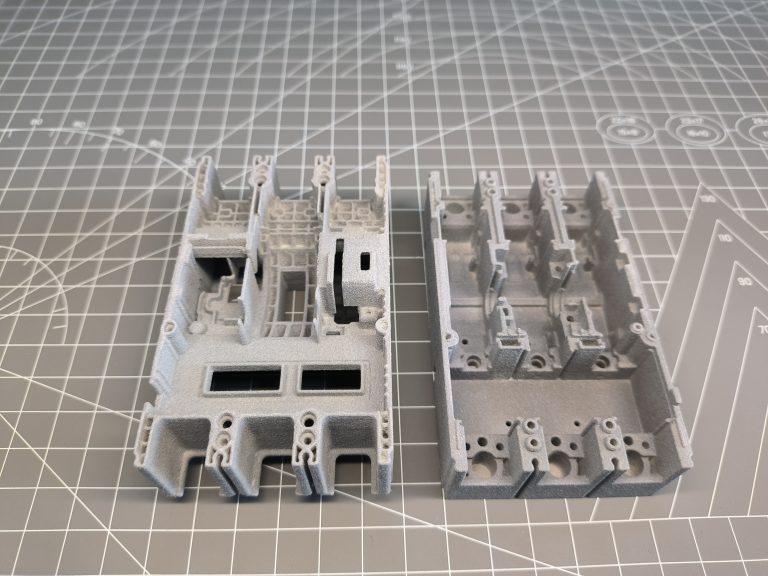
End-use parts, jigs & fixtures, and functional prototypes for rigorous testing.

s series printers applied in electronics industry

Electronics

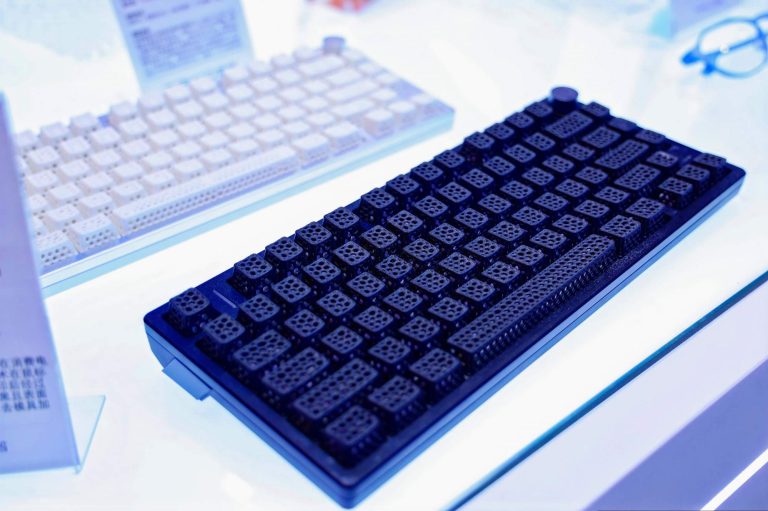
Accelerate R&D with rapid appearance and structure validation.
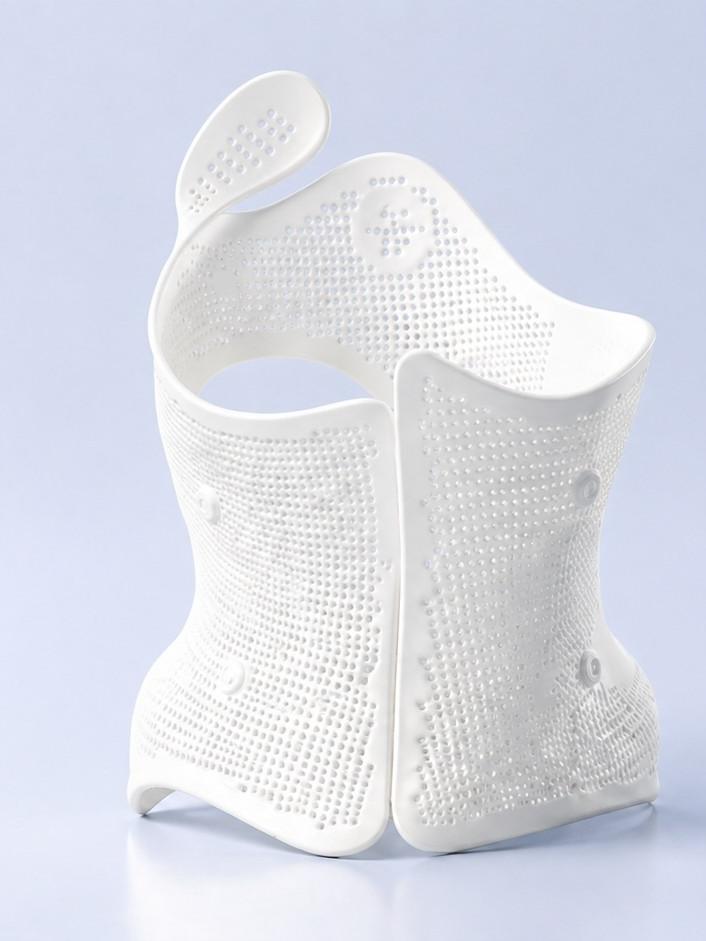
s series printers applied in medical industry

Medical

Biocompatible materials for surgical guides, medical devices and custom parts.

ChatGPT Image Apr 29 2026 03 01 15 PM1

Consumer Goods

Durable, complex parts for performance-driven consumer products.

ChatGPT Image Apr 29 2026 02 15 05 PM1

Education & Arts

From large-scale sculpture to futuristic fashion, giving form to the most complex and imaginative ideas.
Materials Compatible with P Series SLS Printers

The systems support commonly used SLS thermoplastic powders, including:

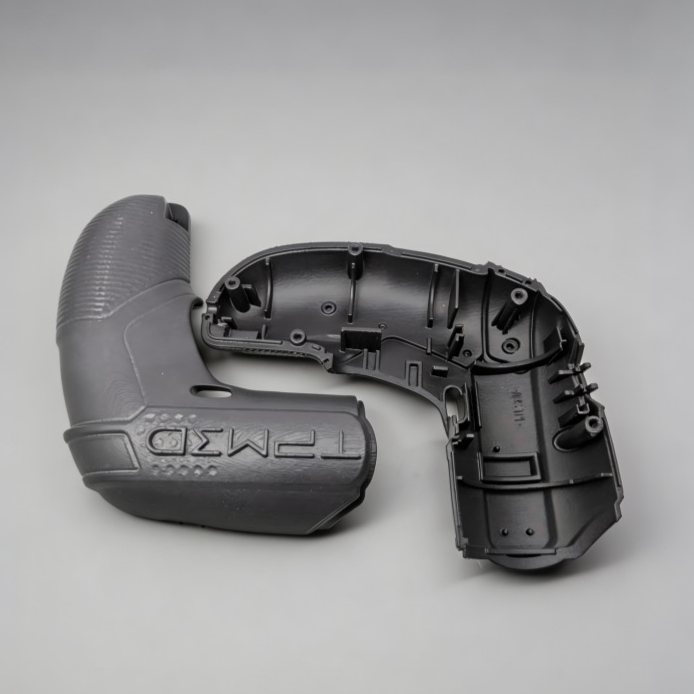
PA12 Nylon powder material printed part

PA12

A balanced combination of strength, surface quality, and dimensional stability.
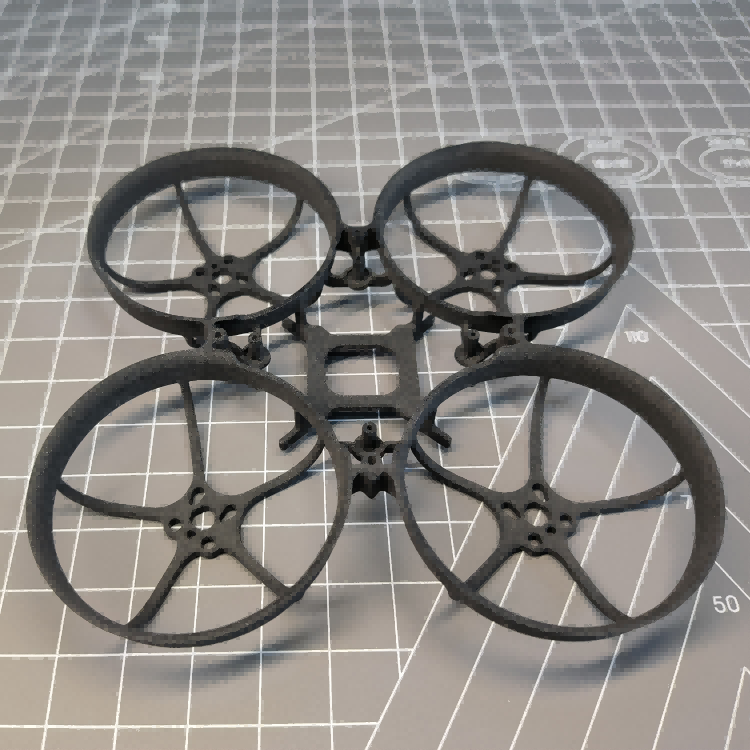
3D printed small quadrotor UAV frame with Nylon 11 material Precimid1180 BLK 1

PA11

Combine toughness and flexibility for lightweight applications that require durable performance.
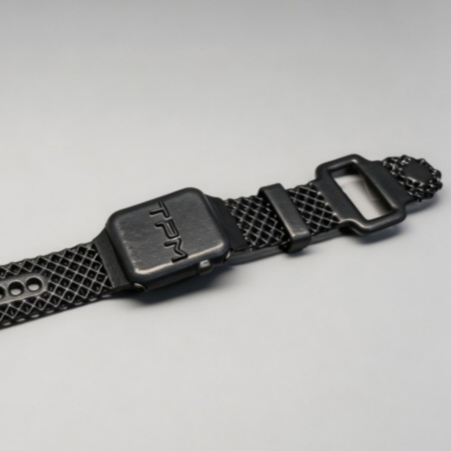
tpu

TPU

Flexibility, elasticity, and wear resistance for soft-touch and impact-resistant applications.
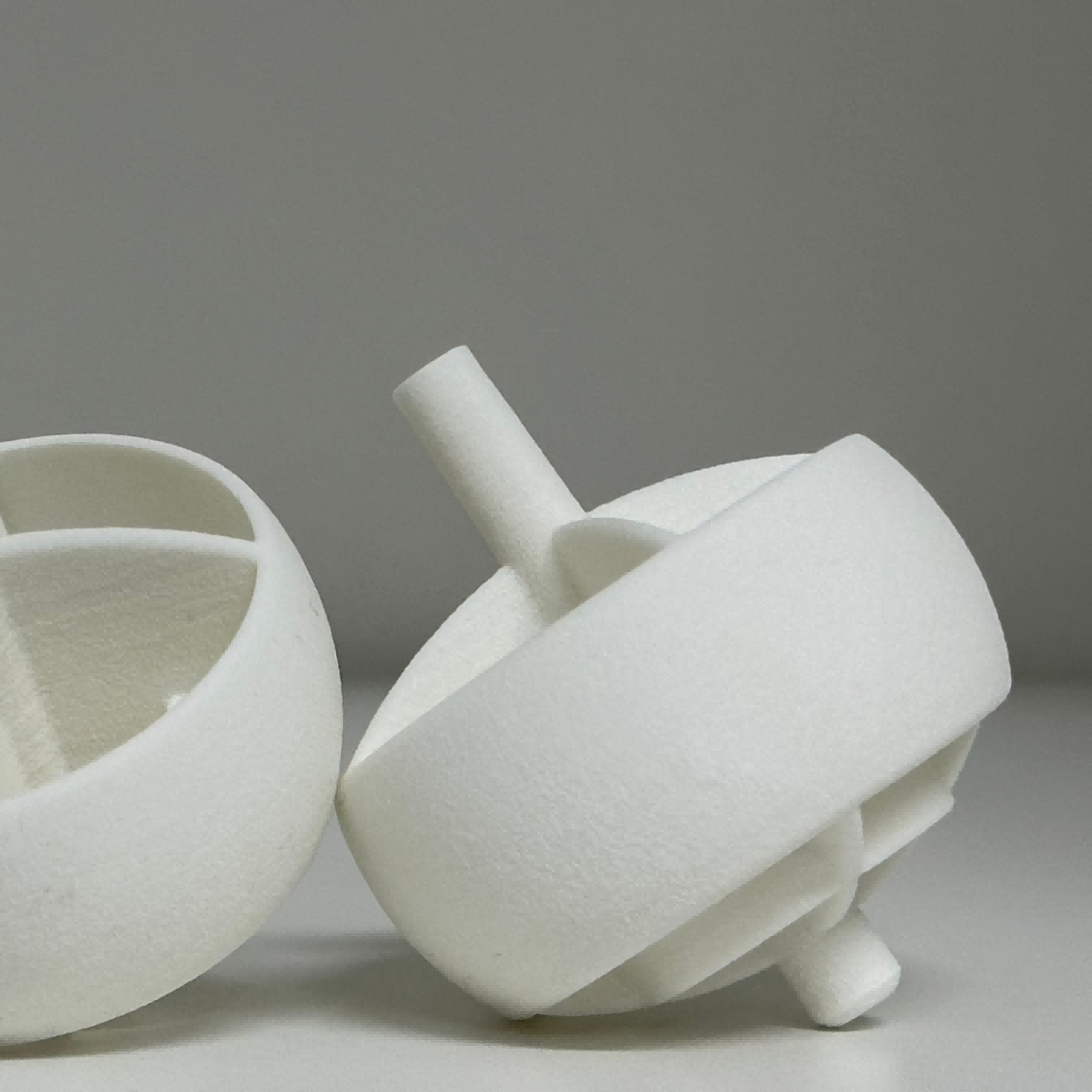
Air conditioning vent with 0.12 mm layer thickness 3D printed car part

PP

Lightweight performance, chemical resistance, and durability for functional components.
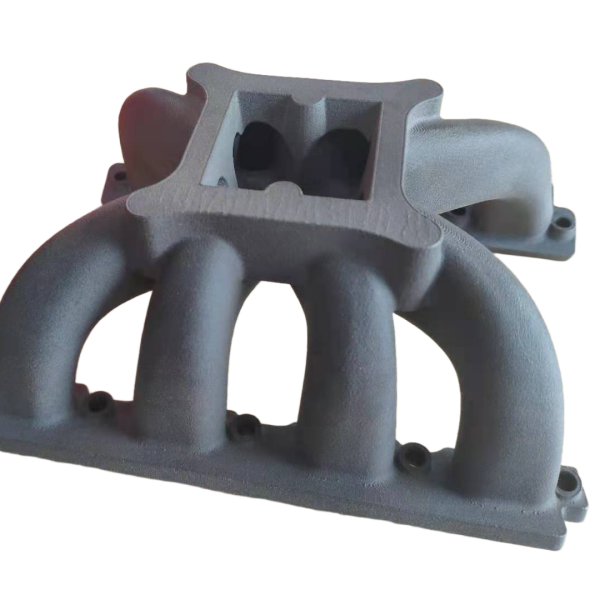
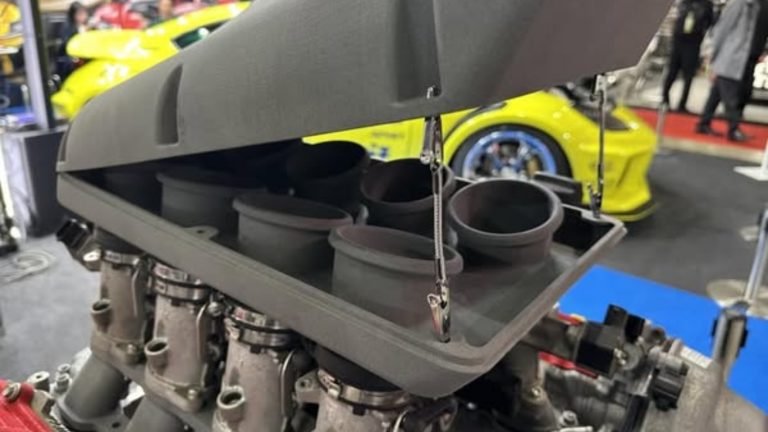
3D printed car part intake manifold with TPM3D PA6X BLK material

PA6X

Designed for applications requiring higher mechanical strength and thermal performance.
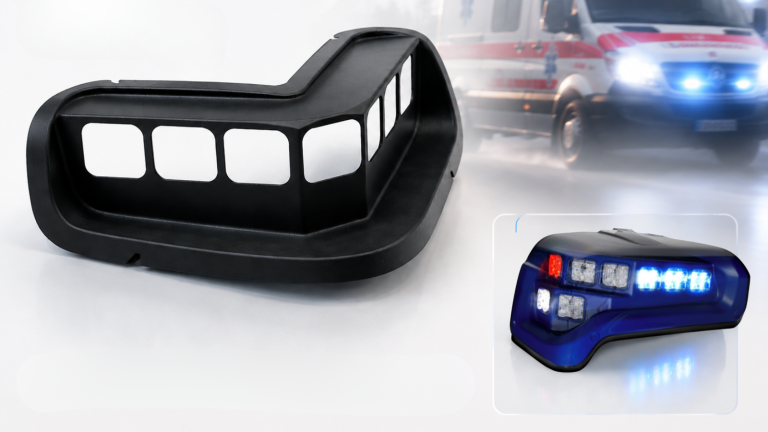
SLS 3D Printing Applications

The P Series 3D printers are widely adopted for both prototyping and end-use part production in key sectors, including Automotive, Medical, Education & Creative, Aerospace, Material R&D, and more.

Frequently Asked Questions

Selective Laser Sintering (SLS) is an additive manufacturing technology that uses a laser to fuse polymer powder layer by layer, enabling the production of durable and complex functional parts without support structures.

Industrial SLS 3D printers commonly support thermoplastic powder materials such as PA11, PA12, PA6, PP, and TPU. Material selection depends on mechanical requirements, flexibility, heat resistance, chemical resistance, and end-use application.

SLS Materials Guide →

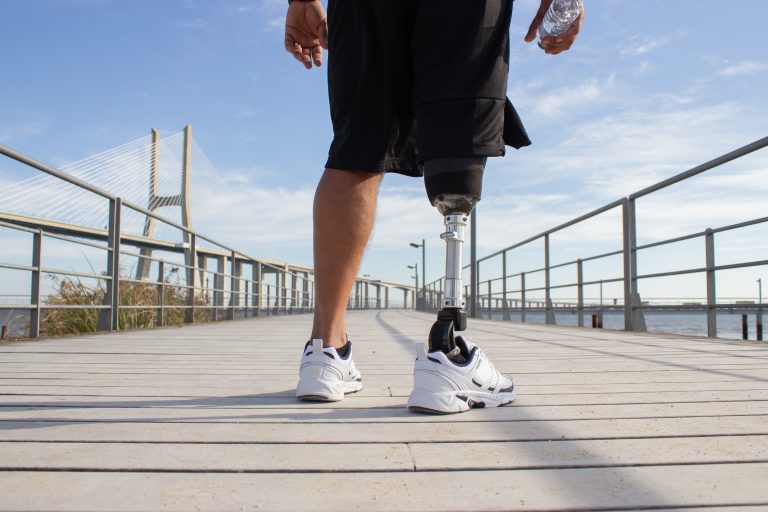
TPM3D P Series printers are widely used in automotive, aerospace, healthcare, consumer products, education, and industrial manufacturing. Common applications include functional prototyping, tooling, low-volume production, jigs and fixtures, and end-use polymer components.

View All Industrial SLS Applications →

Yes. SLS is commonly used for low-volume production, bridge manufacturing, spare parts, and batch production of polymer components. Because SLS produces durable functional parts without tooling, it can be suitable for applications requiring design flexibility or lower production volumes.

SLS vs Injection Molding →

Compared with FDM, SLS generally enables stronger isotropic properties, improved geometric freedom, and no support structures. Compared with SLA, SLS parts are typically more suitable for functional engineering applications due to their mechanical durability and material performance.

Compare SLS vs SLA, SLS vs FDM

Key considerations include build volume, throughput requirements, material compatibility, laser configuration, production goals, and available post-processing workflow. For production environments, factors such as powder management, cooling efficiency, and process repeatability may also affect system selection.

Single-laser systems are commonly used for standard production and prototyping, while dual-laser SLS systems can improve throughput for larger builds or higher production volumes by increasing scanning efficiency across the build area.

The required build volume depends on part size, nesting strategy, and production quantity. Smaller systems may suit prototyping and short-run production, while large-format SLS printers can support batch manufacturing and oversized components.

Scroll to Top

Access Full Portfolio

Access Full Portfolio
Get instant access to our full range of SLS 3D printers, materials, and real-world applications.
2026 TPM3D Product Portfolio_01(1)

Get A Free Quote Now !

Contact Form
If you have any questions, please do not hesitate to contact us.