Industrial SLS additive manufacturing enables faster, lower-cost development and functional testing of fuel tank system prototypes.
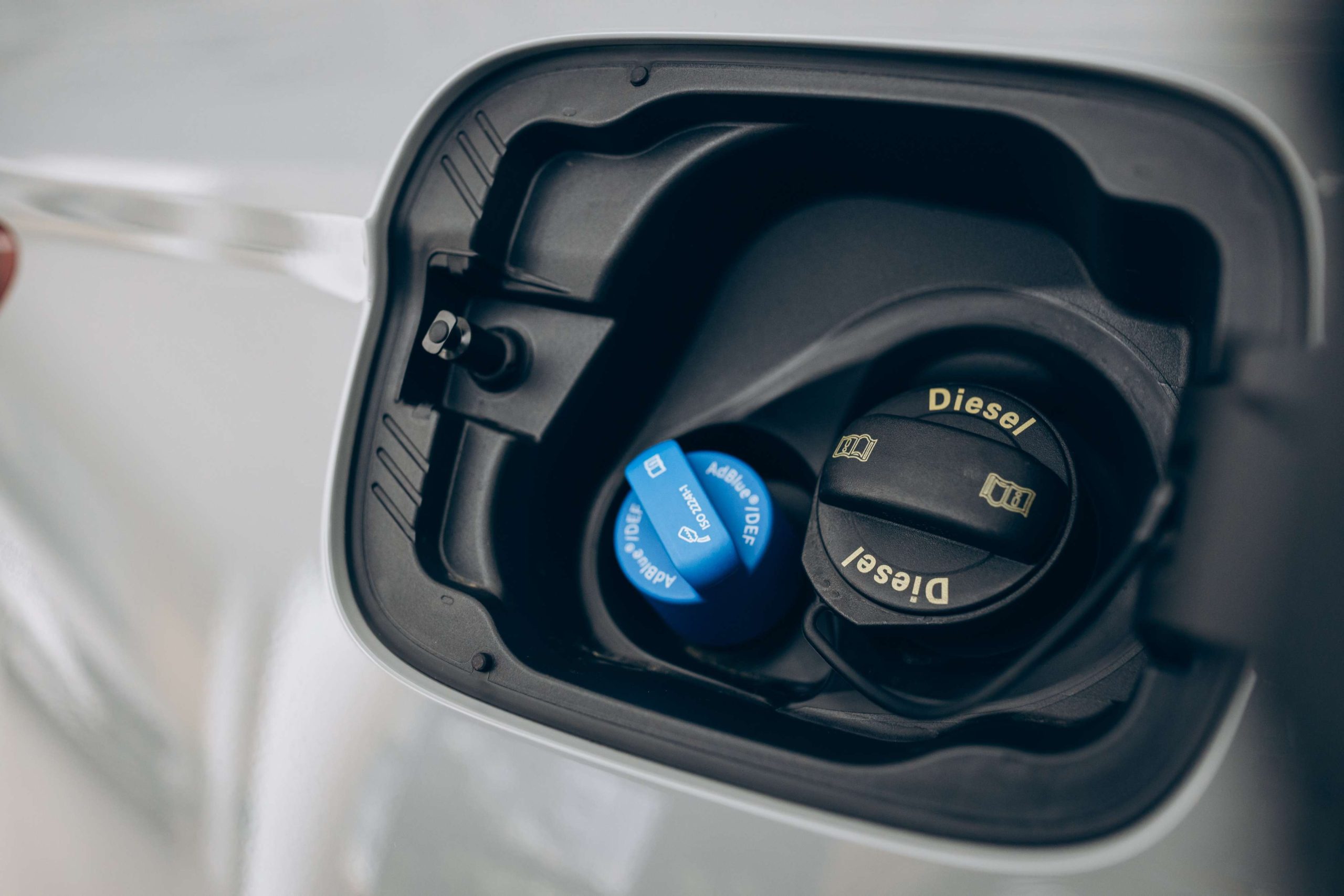
In automotive fuel system development, prototype production has traditionally been constrained by expensive tooling and long manufacturing lead times. Fuel tank shells, internal baffles, and other components are typically produced through vacuum forming with rapid tooling or CNC machining, making design iterations both costly and time-consuming.
Industrial SLS (Selective Laser Sintering) 3D printing offers an alternative approach. By eliminating tooling and producing functional polymer parts directly from CAD data, manufacturers can significantly accelerate prototype validation while reducing development costs.
Replacing Tooling and CNC Machining with SLS Production
Conventional fuel tank prototype manufacturing often requires dedicated tooling. Depending on the size of the tank, a rapid vacuum-forming mold can cost approximately USD 5,500–7,000 with a production lead time of around 12–14 days. Internal fuel tank baffles are commonly CNC machined from polyethylene, costing approximately USD 400–800 per part and requiring four to seven days to produce.
When designs change—as they frequently do during product development—the tooling or machining process must often be repeated, increasing both cost and project timelines.
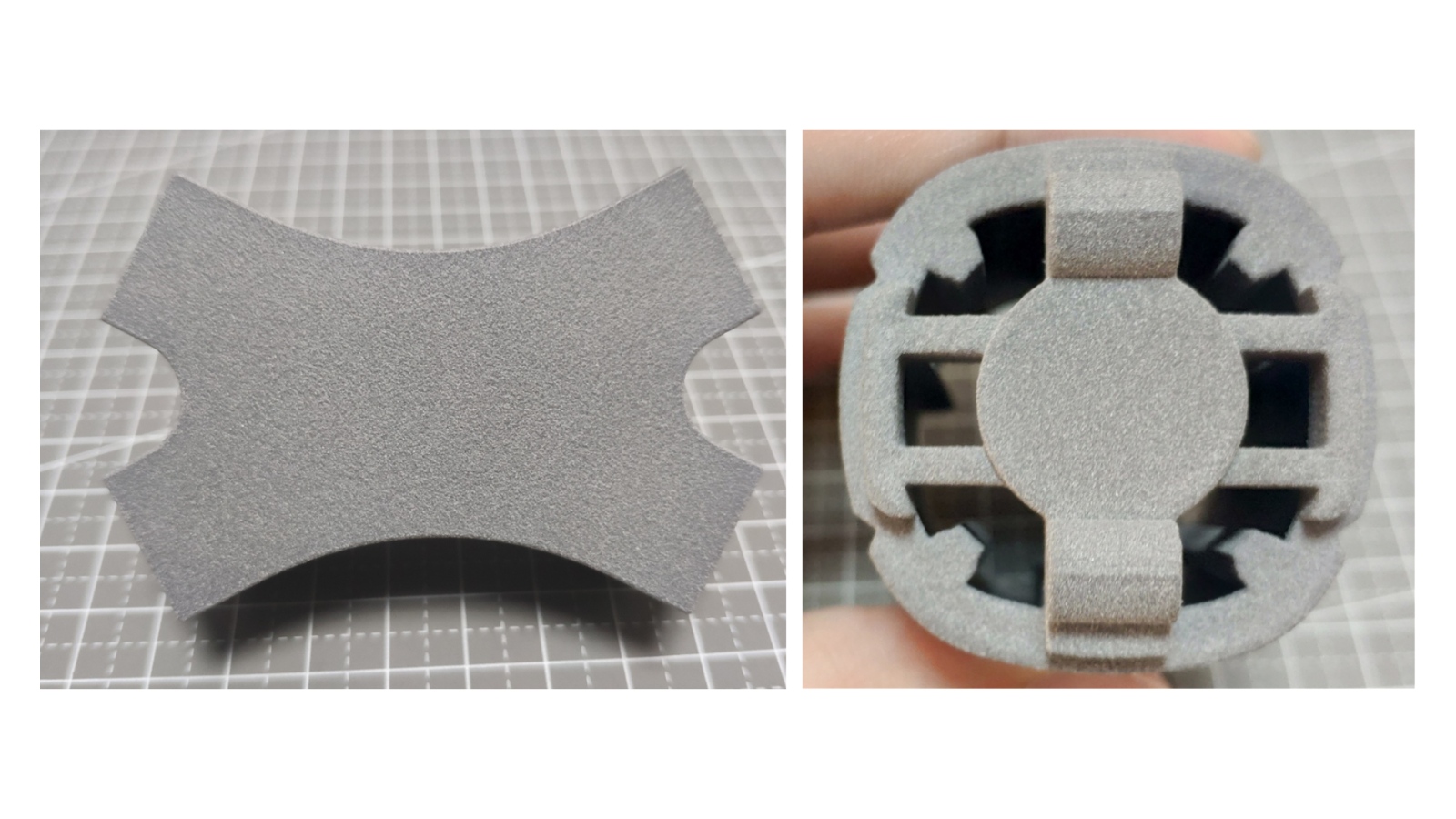
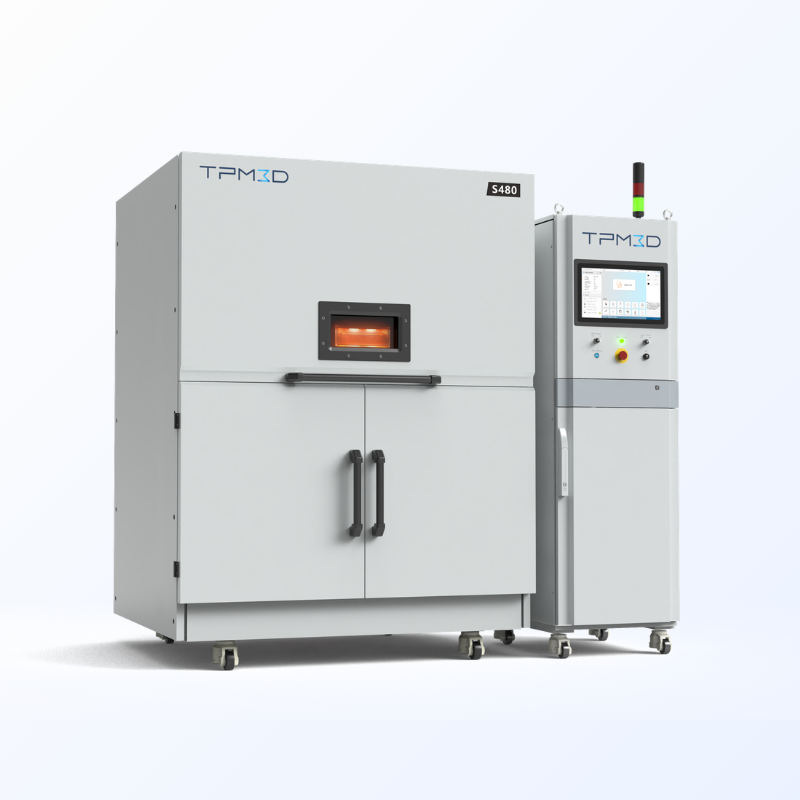
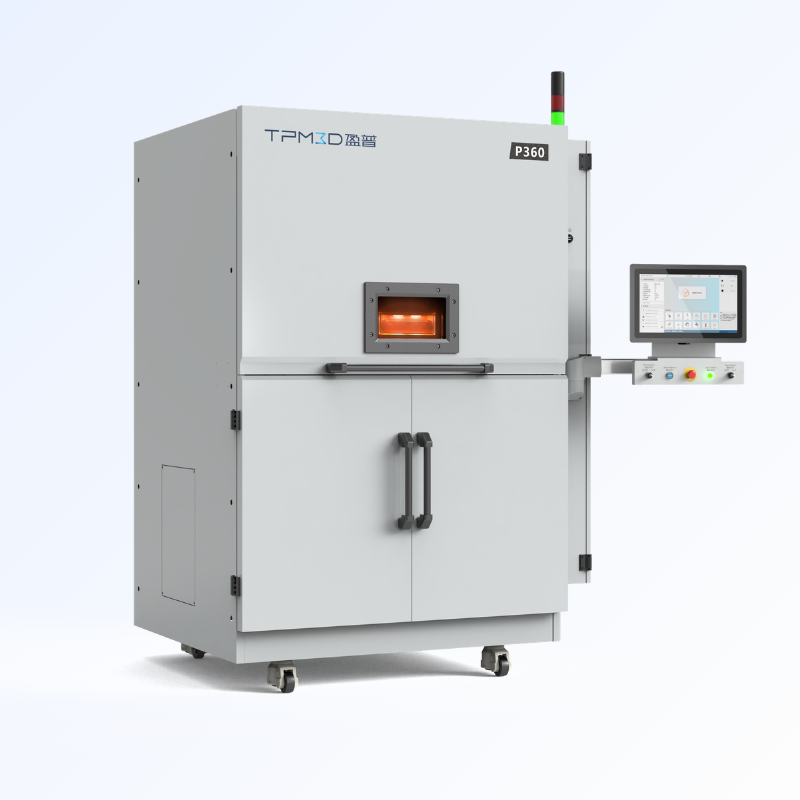
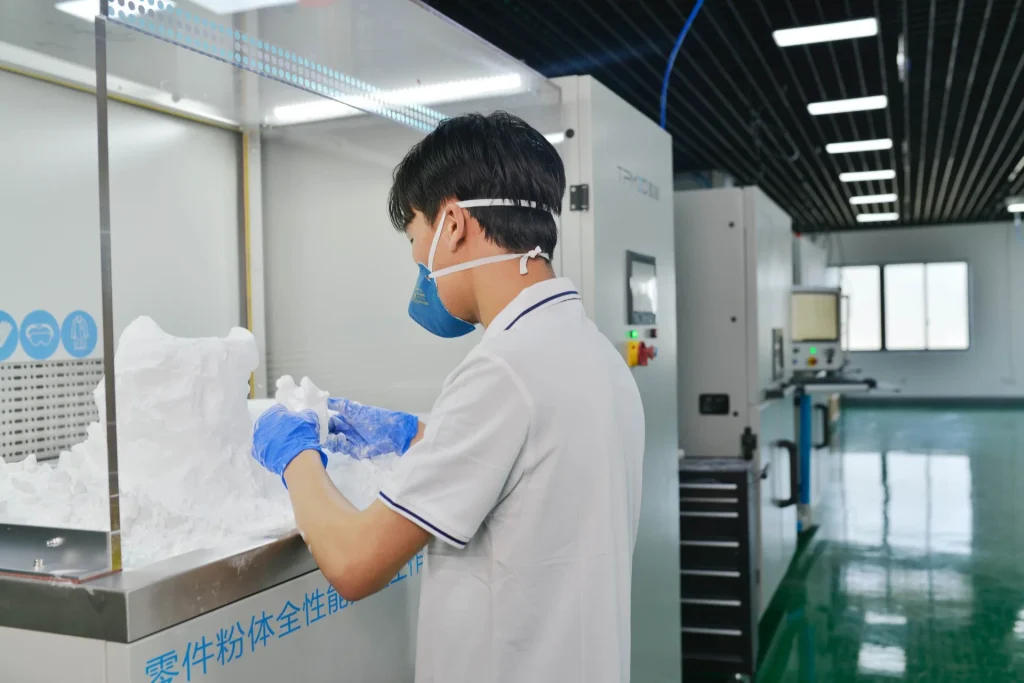
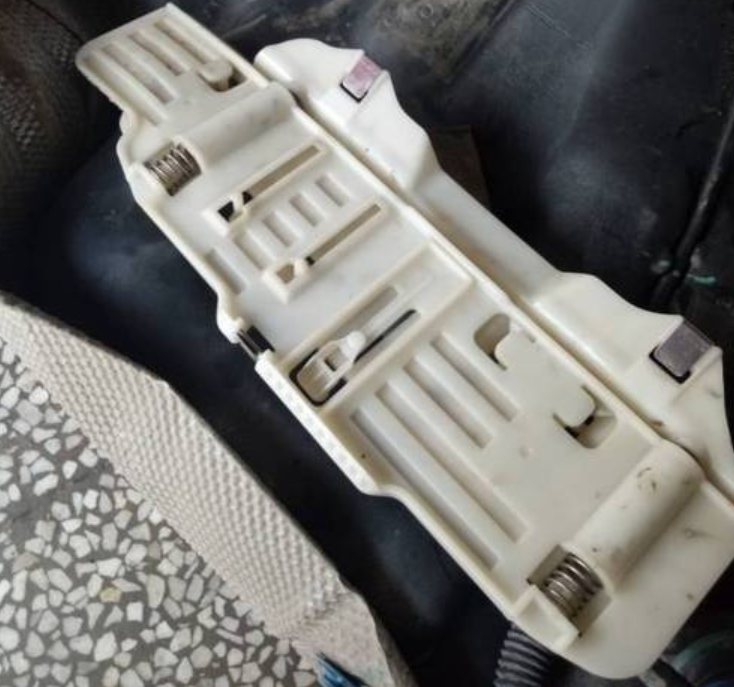
To improve development efficiency, automotive fuel system supplier YAPP Automotive Systems adopted TPM3D’s industrial SLS solution, combining the P360 SLS 3D printer with the PPS360 Powder Processing Station. The company uses Precimid1176Pro GF30 BLK, a glass fiber reinforced PA12 material, to manufacture prototype fuel tank baffles directly from digital designs.
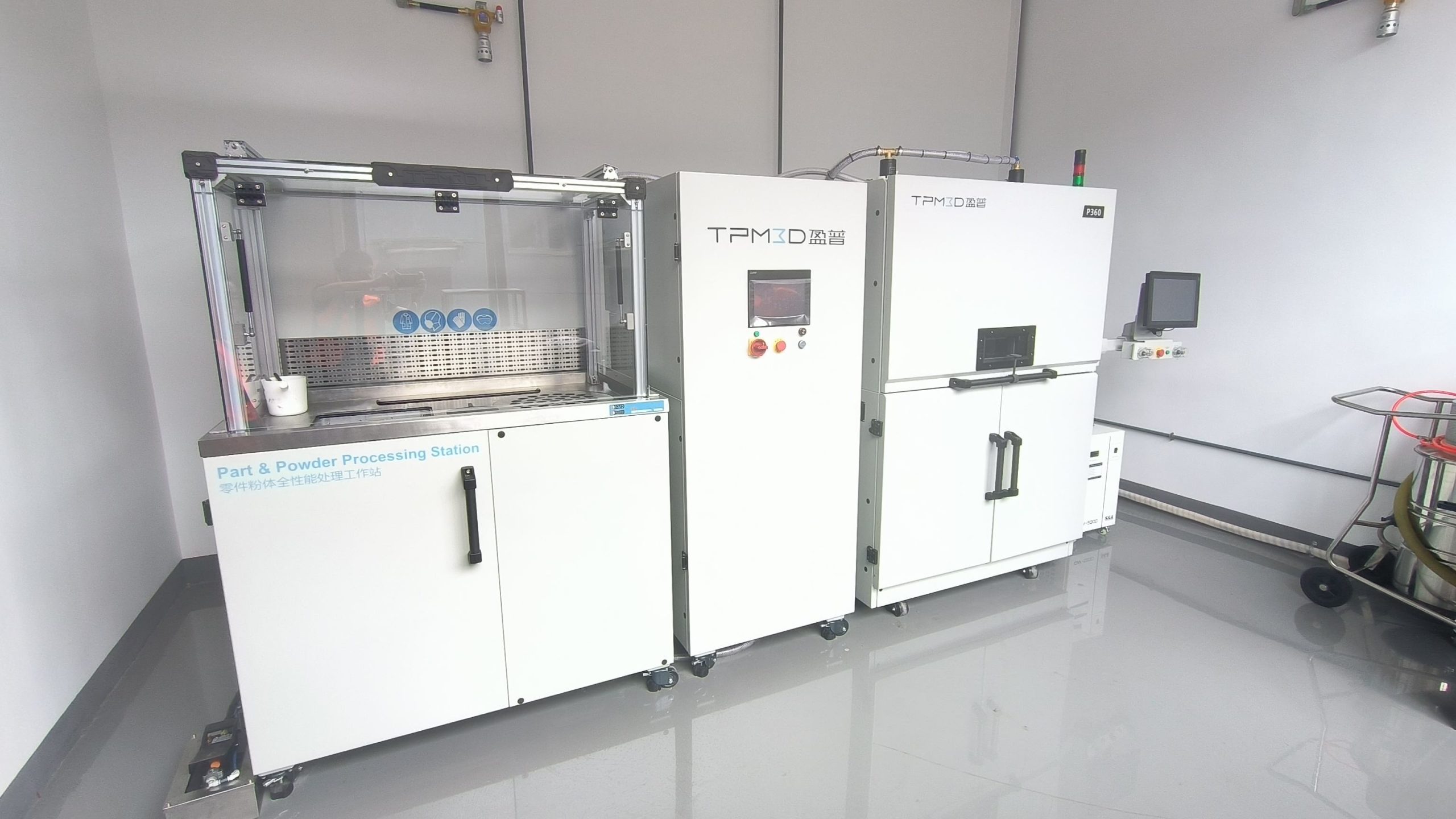
The transition from outsourced machining to in-house SLS production has substantially shortened the development cycle. Prototype baffles can now be produced within a single day instead of approximately five days, reducing lead time by about 80%.
Manufacturing costs have also decreased significantly. The cost of producing a prototype baffle has been reduced from approximately USD 625 to around USD 85—a reduction of 87%.
After sandblasting, the printed parts provide sufficient dimensional accuracy and surface quality for assembly and functional evaluation. Engineers are able to modify CAD models, print updated parts, and complete validation within the next day, enabling much faster design iterations.
Large-Format SLS Systems for Fuel Tank Shell Prototypes
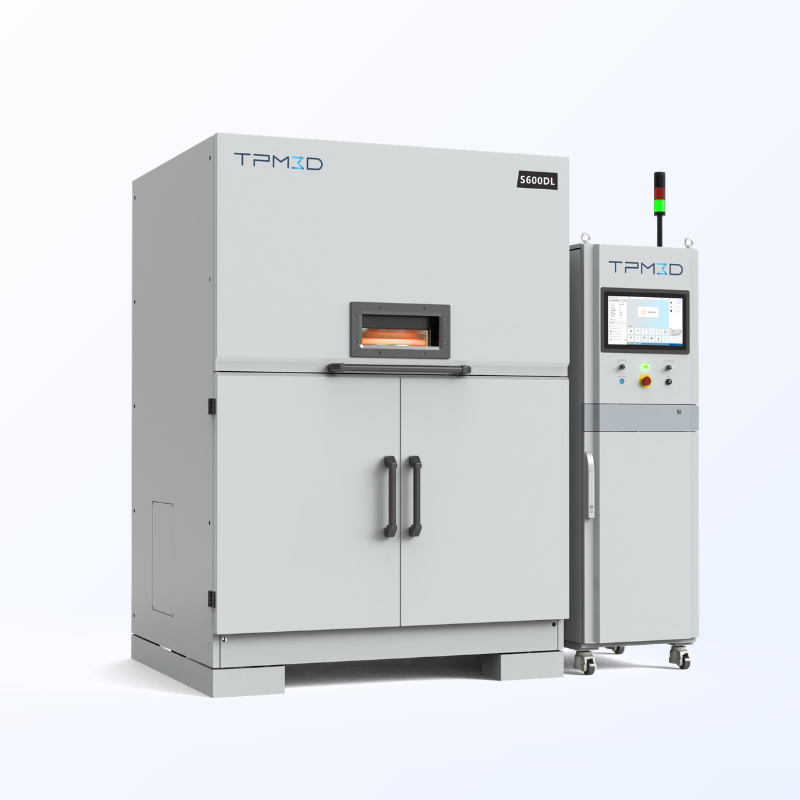
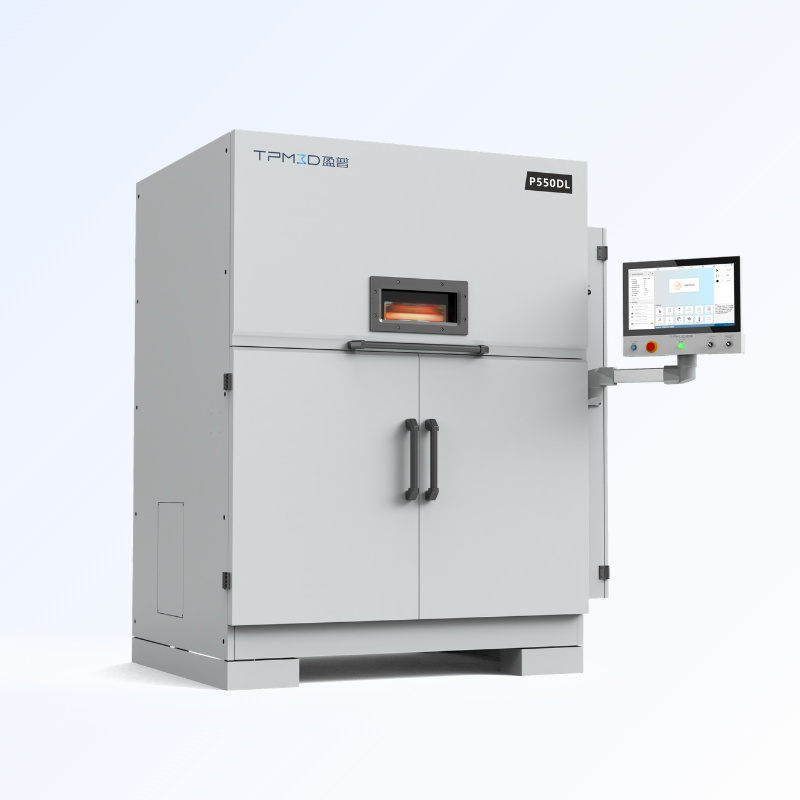
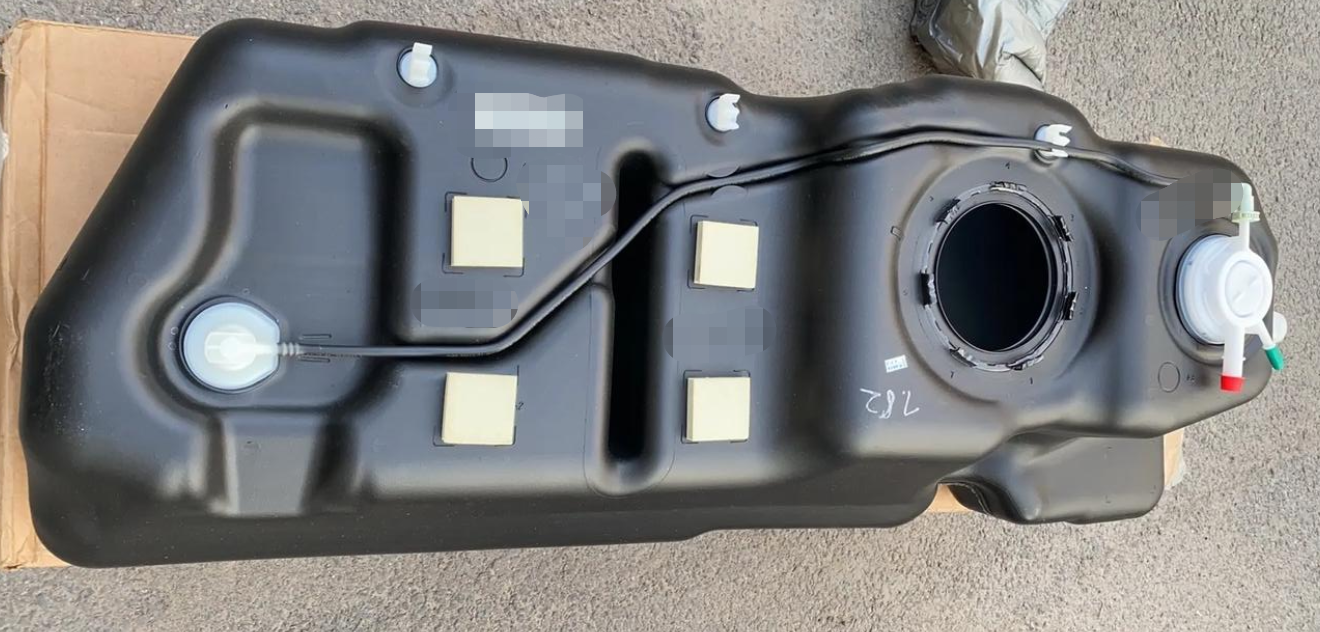
Beyond individual components, TPM3D’s large-format dual-laser SLS systems—including the P550DL and S600DL—enable one-piece production of large fuel tank shell prototypes.
Compared with traditional vacuum-forming processes, manufacturing costs for a complete fuel tank prototype can be reduced from approximately USD 7,000 to around USD 1,250, representing a cost reduction of approximately 82%.
Lead times can also be shortened from approximately 12 days to just two days, reducing delivery time by approximately 83%.
TPM3D is also developing meter-scale SLS systems designed to support even larger automotive applications in the future.
Functional Testing Beyond Visual Prototypes
Unlike appearance models produced solely for design reviews, SLS-manufactured fuel tank components can be used for functional testing during product development.
Typical validation applications include:
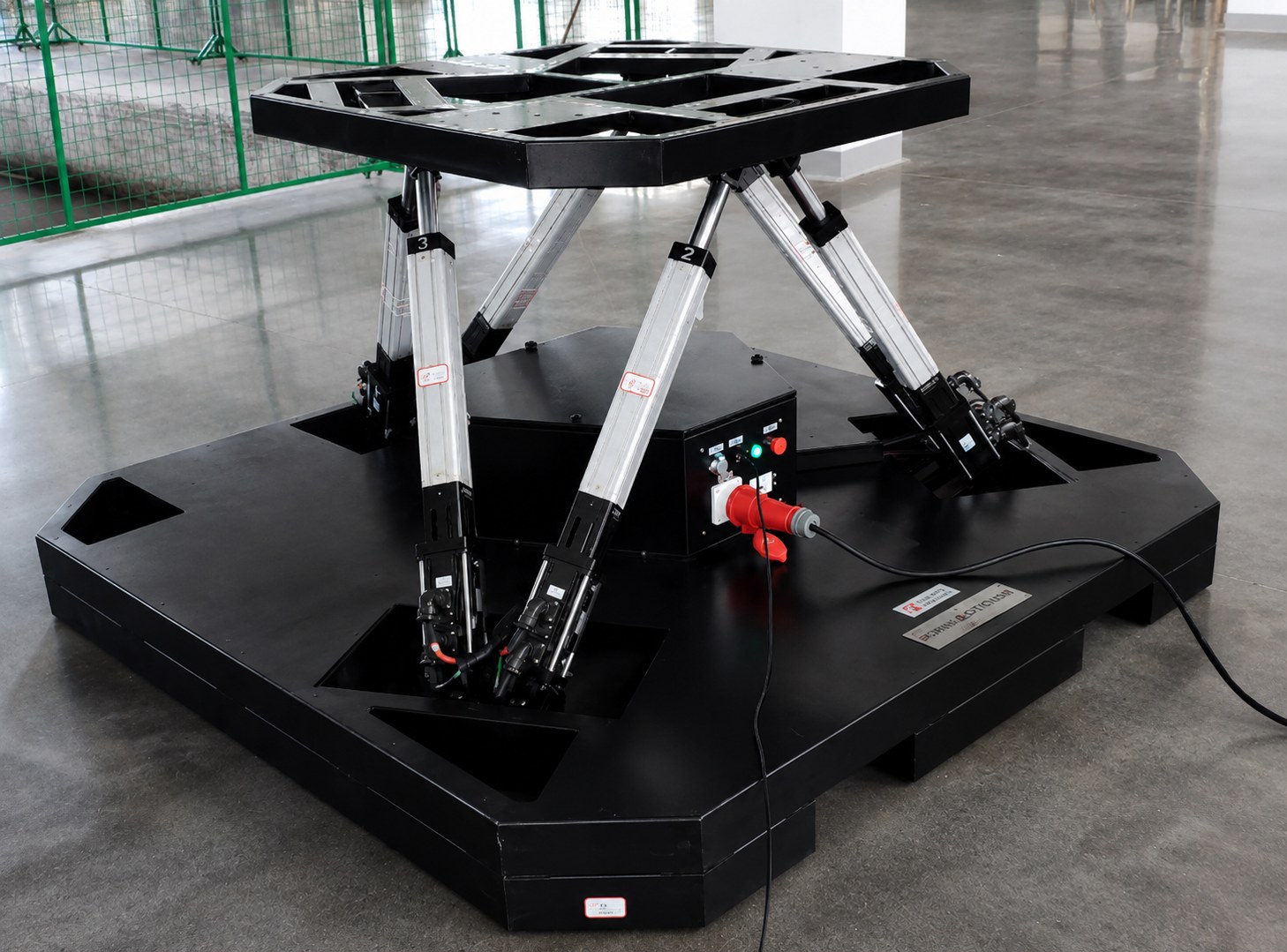
- Six-axis vibration simulation: The mechanical strength and isotropic properties of Precimid1176Pro GF30 BLK allow one-piece printed fuel tank prototypes to undergo vibration and load simulation testing. Integrated sensors can also be incorporated to collect stress and strain data during testing.
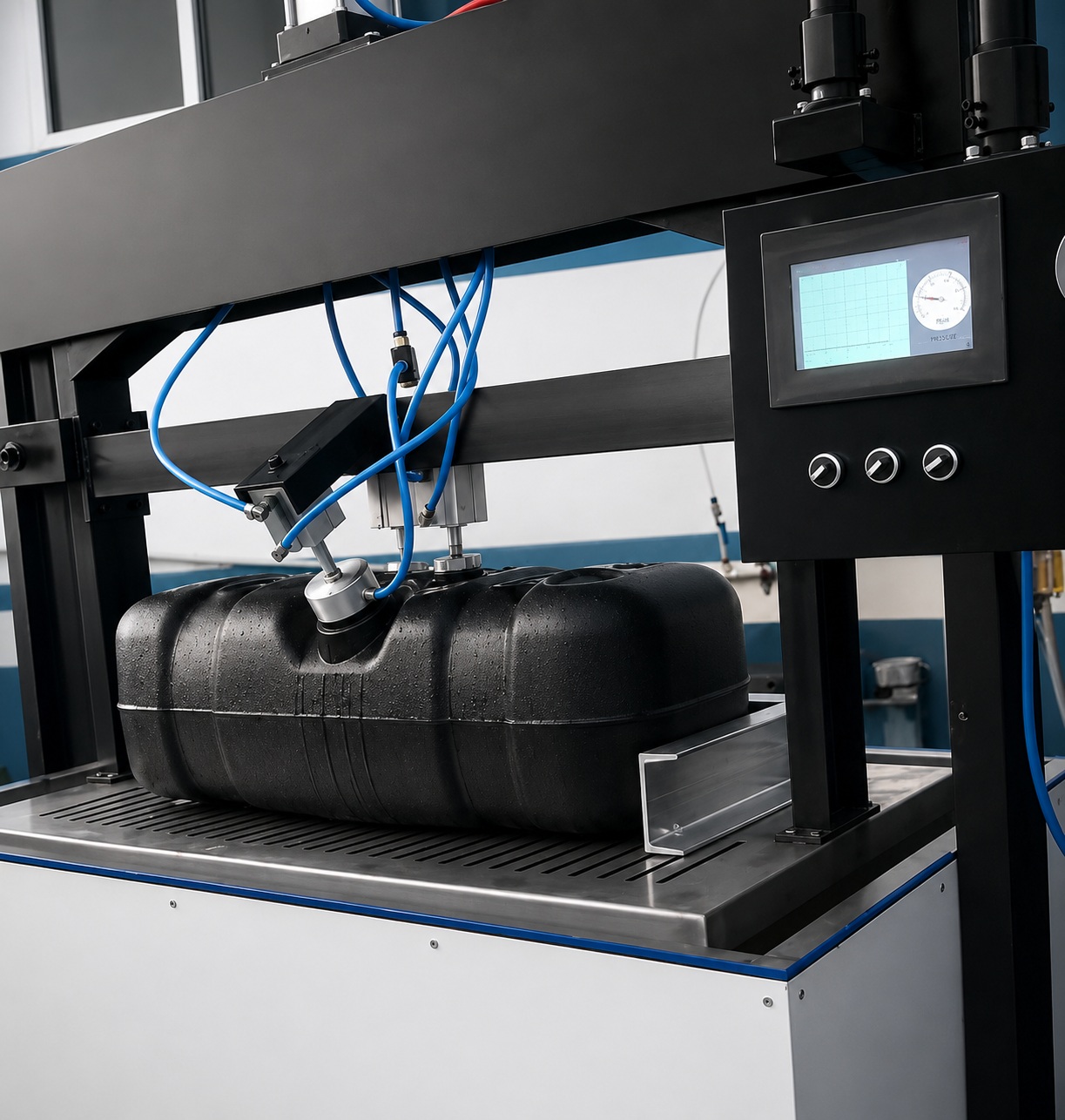
- Sealing and temperature evaluation: Following post-processing and sealing treatment, printed fuel tanks can be evaluated for air tightness, water tightness, and thermal performance.
- Acoustic testing: Printed fuel tank baffles support rapid evaluation of noise reduction designs, allowing engineers to compare multiple design iterations while minimizing development costs.
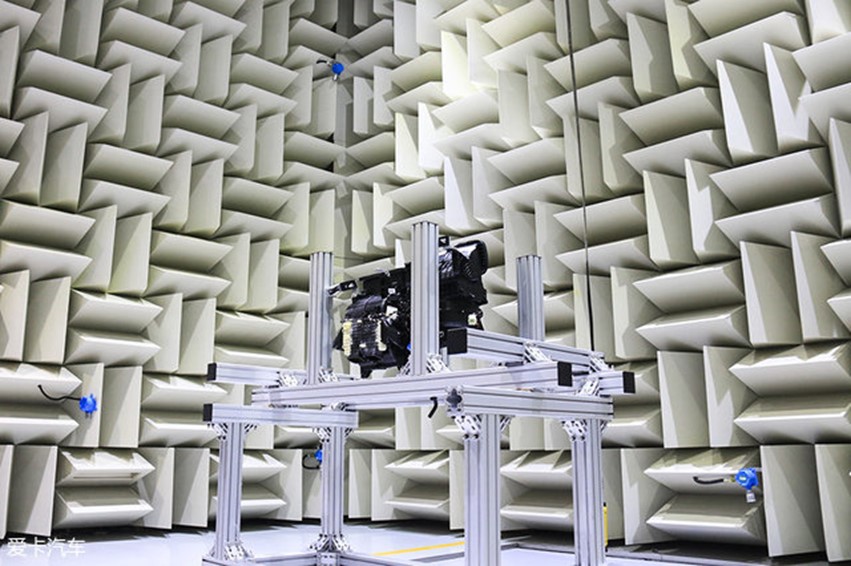
These capabilities extend the role of SLS beyond visual prototyping, enabling engineering teams to validate product performance earlier in the development process and supporting low-volume functional production where appropriate.
Accelerating Digital Development for Automotive Fuel Systems
As automotive manufacturers continue to shorten development cycles, additive manufacturing is becoming an increasingly practical tool for prototype production and engineering validation.
By combining industrial SLS hardware with engineering-grade polymer materials, TPM3D’s solution enables automotive developers to reduce dependence on dedicated tooling, accelerate design iterations, and lower prototype manufacturing costs.
For applications such as fuel tank systems—where multiple rounds of validation are often required—SLS 3D printing provides a flexible manufacturing workflow that supports faster engineering decisions while maintaining the functional performance needed for testing.
Read more:
- Rapid Prototyping with SLS 3D Printing — The Complete Guide
- From Prototype to Production: 3 Uses of SLS 3D Printed Car Parts in EVs
- Plastic Powder Bed Fusion Laser 3D Printers—Technology, Materials & Machine Selection
- Complete Guide to SLS 3D Printing Materials (PA12, PA11, CF, GF, PEEK & More)
- UL94 5VA Flame Retardancy Achieved in TPM3D SLS Nylon 12 Material