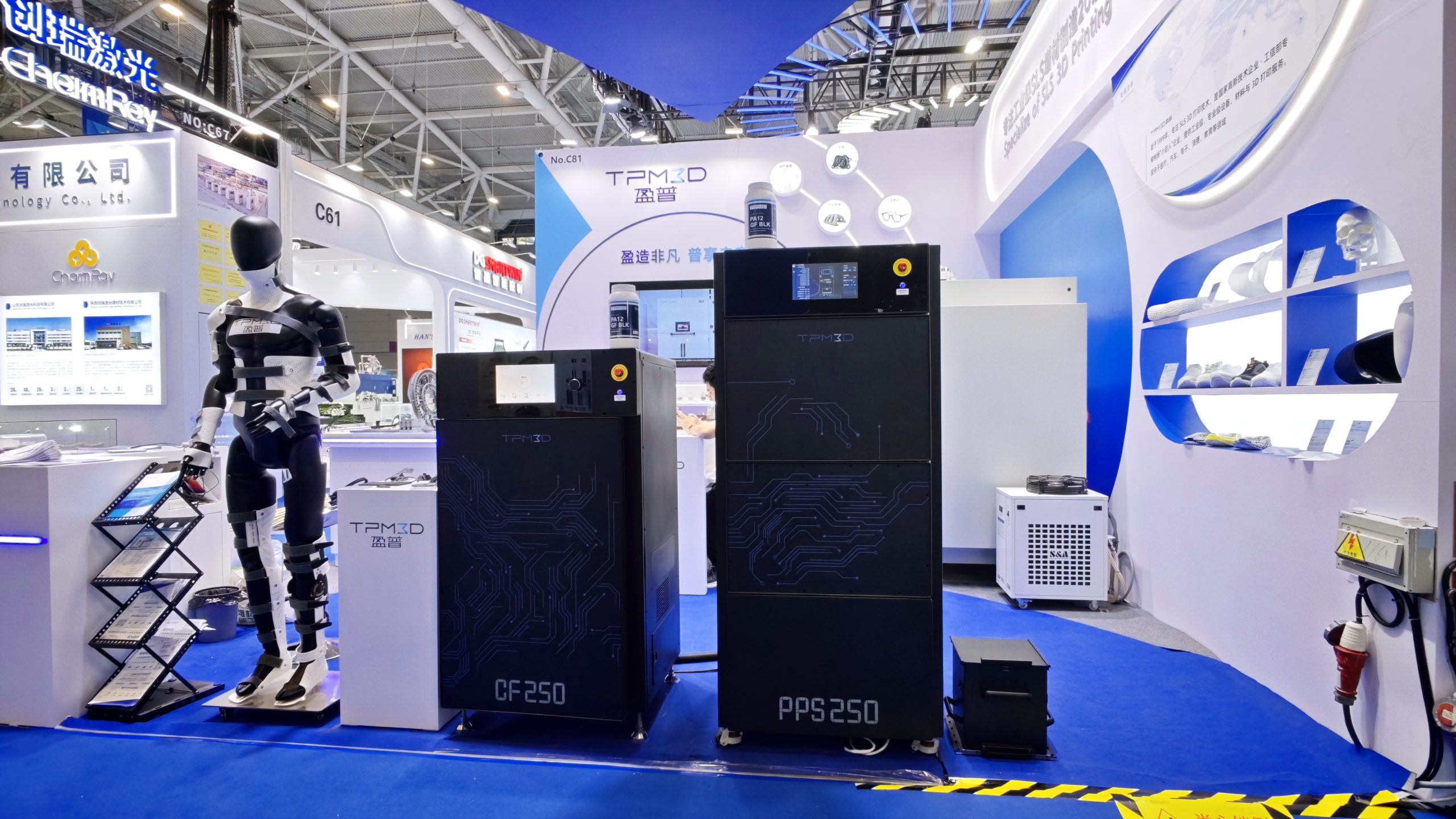
At Formnext Asia Shenzhen 2026, TPM3D officially launched the CF250 + PPS250, the next-generation system in its compact professional SLS 3D printing platform.
Built on the compact architecture introduced with the CF200, the new CF250 expands the build chamber to 250 × 250 × 320 mm while keeping the printer footprint to just 0.53 m². Compared with the previous platform, the CF250 requires only around 20% more floor space, while delivering a 67% increase in effective build volume and up to 133% more parts per build, depending on part geometry and nesting.
The goal behind the upgrade is straightforward: give engineering teams, laboratories, service bureaus and manufacturers more SLS production capacity without requiring a full-size industrial installation.
From CF200 to CF250: More Capacity, Same Compact Approach
TPM3D developed its compact C Series to address a practical gap between entry-level powder-bed systems and larger industrial SLS installations.
For teams working in laboratories, product development environments and smaller production spaces, adopting SLS can involve more than the printer itself. Available floor space, electrical infrastructure, powder handling and daily operating workflow can all affect whether the technology is practical to implement.
The CF250 + PPS250 retains the core principles of the previous platform—including 220 V operation, integrated powder management and a compact equipment footprint—while increasing the usable build area to support larger parts and denser production batches.
The CF250’s 250 × 250 × 320 mm build chamber provides more flexibility for both prototyping and small-batch manufacturing, without moving users into the footprint and infrastructure requirements of TPM3D’s larger industrial SLS systems.
More Parts Per Build
The most visible benefit of the larger build chamber is increased batch capacity.
Because SLS does not require support structures, parts can be nested throughout the three-dimensional build volume. Increasing usable build space can therefore translate directly into more parts per job, particularly for repeat production.
In TPM3D reference build configurations, the CF250 can accommodate up to:
- 420 coil winding components per build, compared with 240 on the CF200 — an increase of up to 75%
- 98 pairs of eyewear frames per build — up to 133% more
- 27 sets of power-tool housings per build — up to 125% more
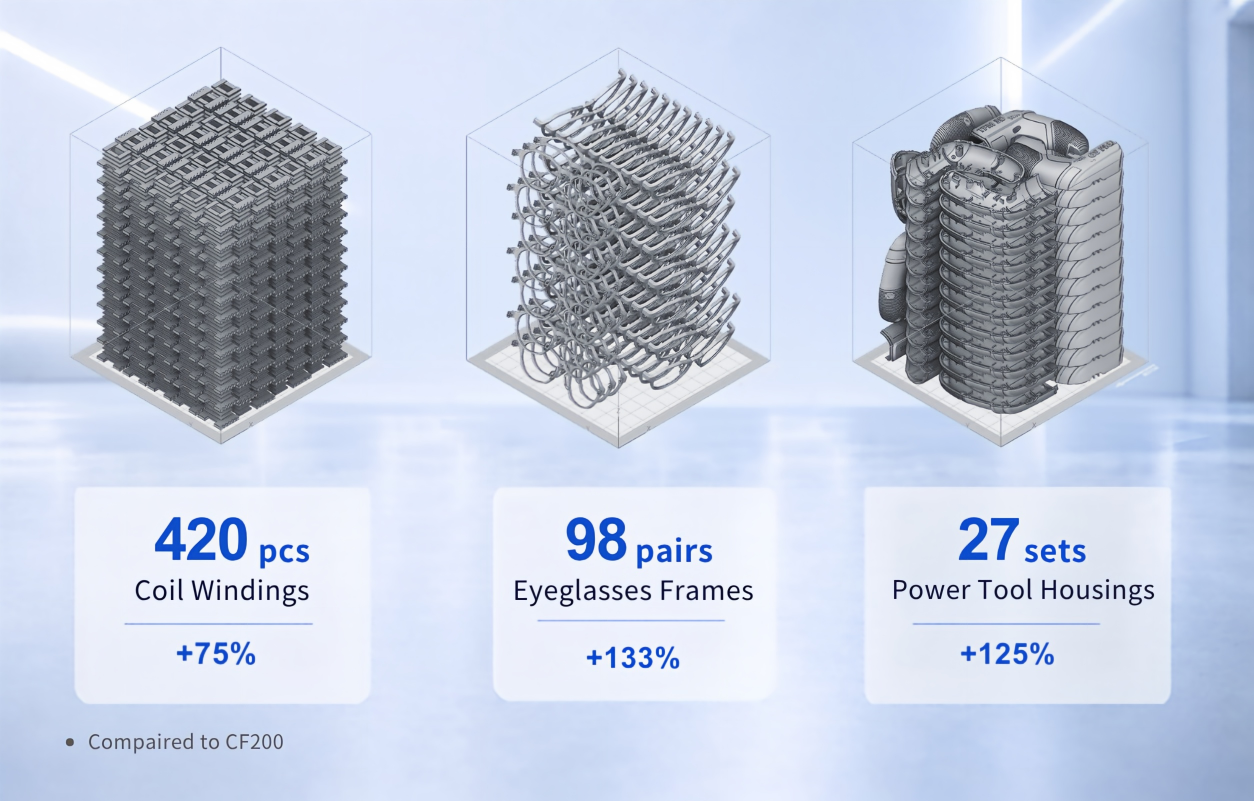
These examples illustrate an important distinction between nominal build dimensions and practical production capacity. The actual number of parts that can be produced in one job depends on component dimensions, geometry, orientation, spacing and nesting strategy.
For users producing repeat batches, higher packing capacity can reduce the number of build cycles required for the same order volume, improving equipment utilization and lowering the printing cost allocated to each part.
0.53 m² Printer Footprint for Space-Constrained Environments
Increasing production capacity does not necessarily mean moving to a substantially larger machine.
The CF250 itself occupies 0.53 m² of floor space, allowing it to be installed in environments where a conventional industrial SLS system may be difficult to accommodate.
Potential deployment environments include:
- Product development laboratories
- University and research facilities
- Engineering departments
- Design studios
- Small manufacturing workshops
- 3D printing service bureaus
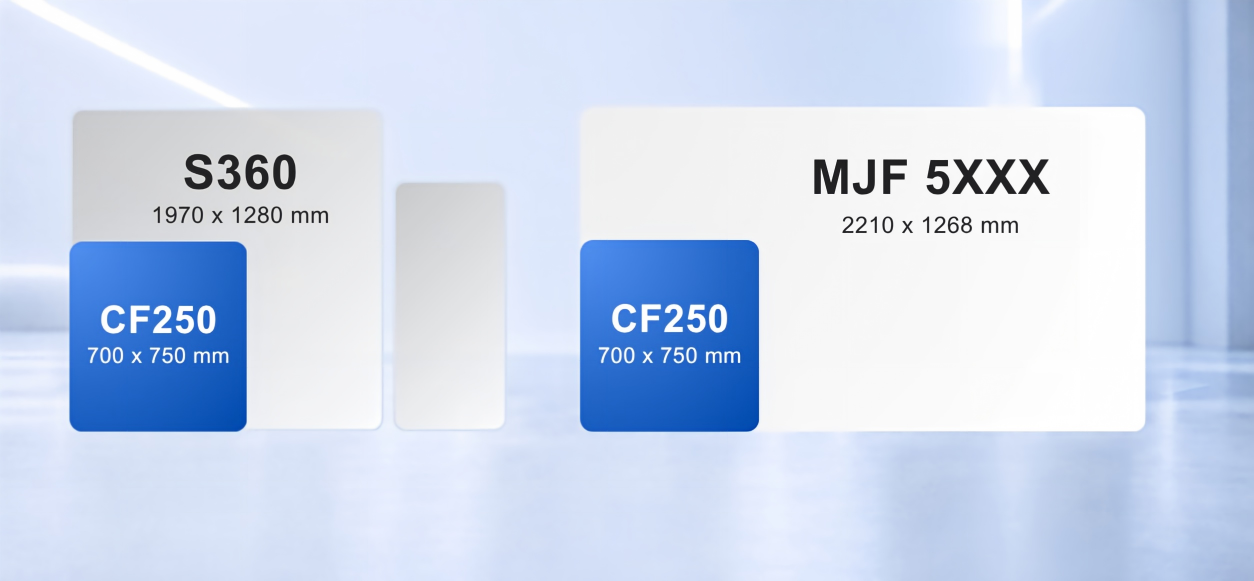
This compact architecture is particularly relevant for teams that want to bring SLS capability in-house but do not need the capacity of a large-format production system.
Compared with the CF200, the CF250 increases its footprint by approximately 20% while providing substantially greater usable production capacity.
220 V Operation Simplifies Installation
Infrastructure is another consideration when introducing industrial additive manufacturing equipment.
The CF250 is designed for 220 V operation, reducing the need for the dedicated three-phase industrial electrical infrastructure commonly associated with larger manufacturing systems.
For laboratories, engineering departments and smaller production facilities, this can simplify site preparation and make it easier to integrate SLS into an existing workspace.
Electrical installation should, however, always follow applicable local electrical standards and TPM3D’s installation requirements.
The compact footprint and simplified power requirements are intended to reduce infrastructure barriers without changing the system’s focus on functional engineering parts and repeatable SLS processing.
PPS250 Automates the Powder Handling Workflow
Printing is only one part of an SLS production workflow. Powder recovery, depowdering, sieving, mixing and reuse can require substantial manual handling if these processes are performed separately.
Developed alongside the CF250, the PPS250 powder processing station connects these steps into a more controlled workflow.
The system integrates:
- Automated depowdering
A rotating basket helps remove unfused powder from printed parts while reducing repetitive manual handling. - Automatic sieving
Recovered powder is screened before reuse to help maintain a consistent feedstock. - Automatic powder mixing
Recycled powder can be mixed with virgin material according to the required refresh ratio. - Automatic powder feeding
Prepared powder is transferred back to the CF250 through an enclosed pipeline for the next production cycle. - Negative-pressure dust collection
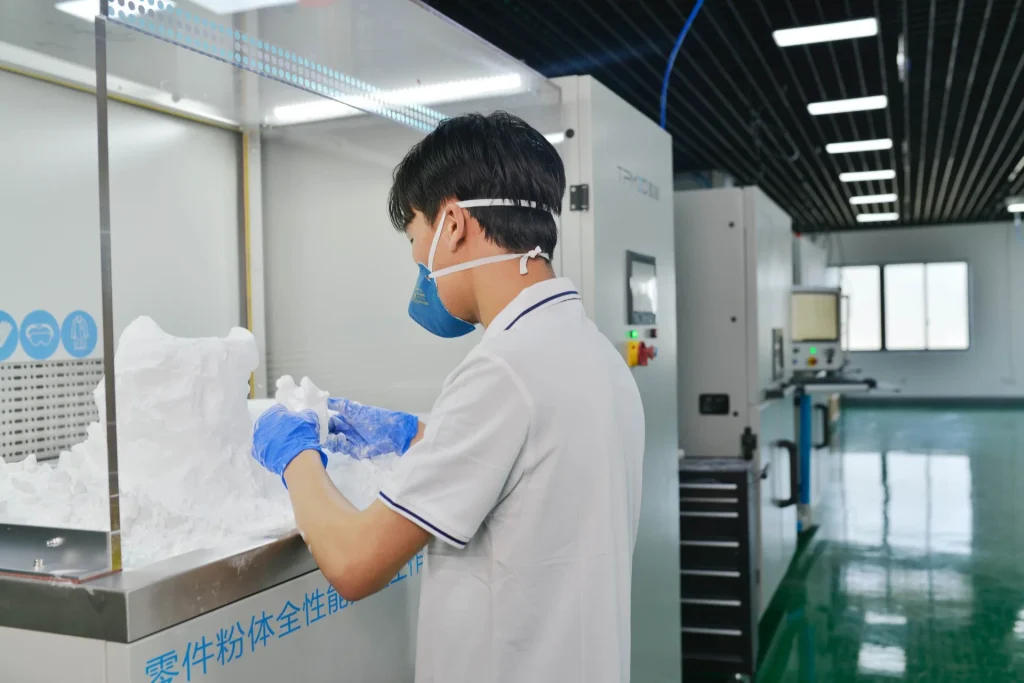
The integrated filtration system helps contain airborne powder and maintain a cleaner working environment.
Together, the CF250 and PPS250 are designed as a connected printing and powder-management system rather than two independent pieces of equipment. This reduces manual powder transfer and helps make routine SLS operation more consistent.
Designed for Repeatable Professional SLS Printing
The CF250 uses a 30 W fiber laser with an F-θ field lens and a standard 0.1 mm layer thickness.
Under TPM3D reference printing conditions, volumetric productivity can reach approximately 0.9–1.0 L/h, with a full-height build taking approximately 22 hours. Actual build time and throughput vary according to part geometry, build density, material, process parameters and job configuration.
Multiple sensors monitor operating conditions during the build process to support printing consistency across repeated production runs.
The system is CE certified and has been developed for applications extending beyond visual prototyping, including functional evaluation, engineering development and small-batch manufacturing.
An Expanding Engineering Material Portfolio
At launch, the CF250 supports TPM3D-qualified PA12 and glass-filled PA12 materials for applications requiring balanced mechanical properties, stiffness and dimensional stability.
Support for additional materials, including PA11 and TPU, is being expanded as material testing and process qualification are completed.
This approach allows the platform to address different engineering requirements over time—from rigid functional components and housings to tougher or more flexible applications—while maintaining defined printing parameters for each qualified material.
Users should refer to the latest CF250 material compatibility list when selecting materials for production applications.
Who Is the CF250 + PPS250 Designed For?
The CF250 + PPS250 is positioned between smaller prototyping systems and TPM3D’s larger industrial SLS platforms.
It is designed primarily for organizations that need professional powder-bed additive manufacturing but value space efficiency, straightforward deployment and higher batch capacity.
Typical use cases include:
- Functional prototyping and design verification
- New product development
- Low-volume production
- Bridge manufacturing
- Research and material evaluation
- Customized consumer products
- Engineering components
- On-demand spare parts
- 3D printing service production
For growing service bureaus and manufacturers in particular, the expanded build chamber provides room to increase output before moving to a larger industrial SLS installation.
More SLS Capacity Without a Full-Size Industrial Installation
The CF250 + PPS250 represents an evolution of TPM3D’s compact SLS concept rather than simply a larger version of the previous printer.
The combination of a 250 × 250 × 320 mm build chamber, 0.53 m² printer footprint, 220 V operation and automated powder processing is designed to address the practical considerations that often determine whether SLS can be integrated into everyday engineering and production workflows.
For TPM3D, the system also extends a development path built on more than two decades of experience in SLS technology, materials and industrial applications.
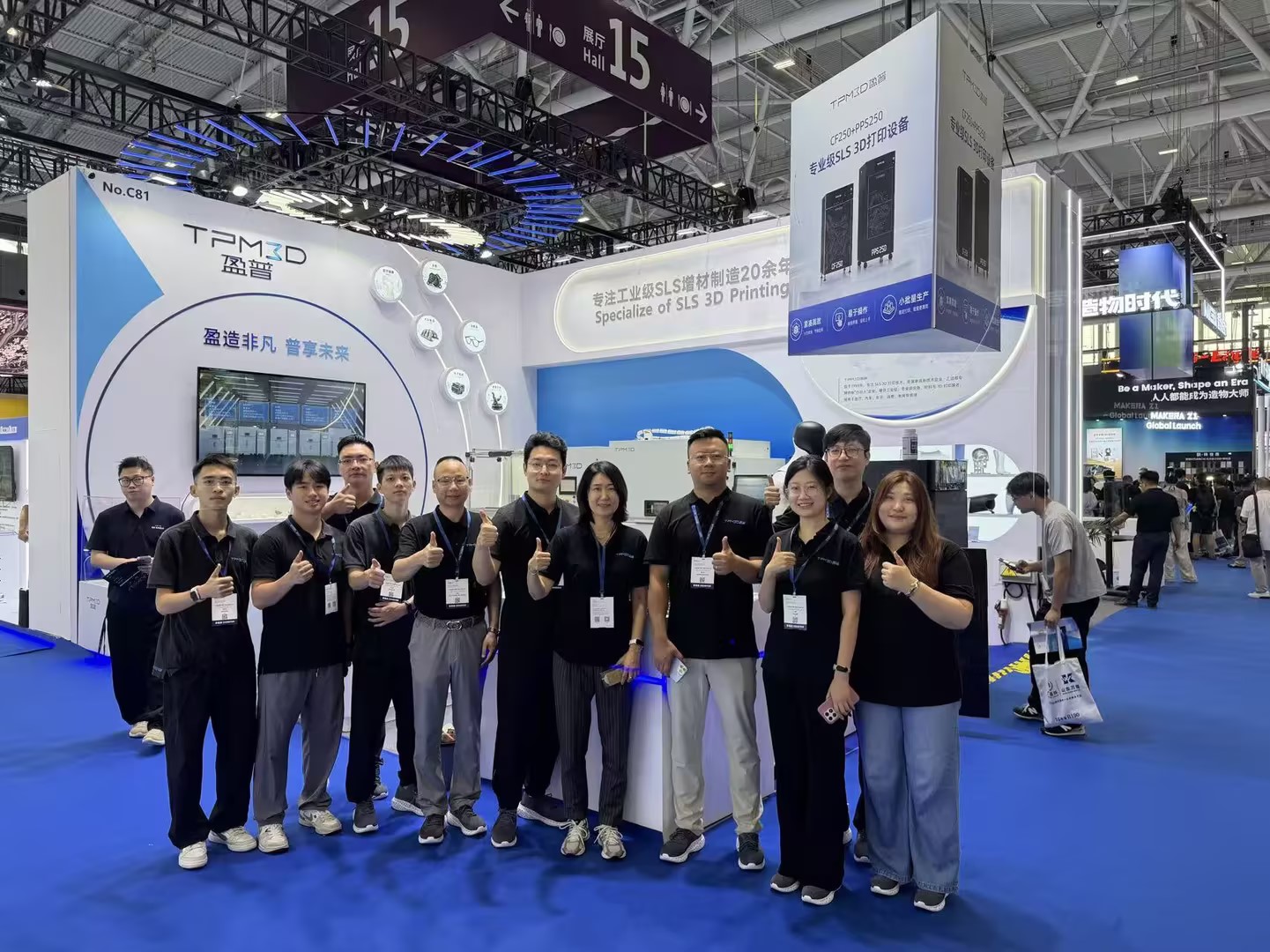
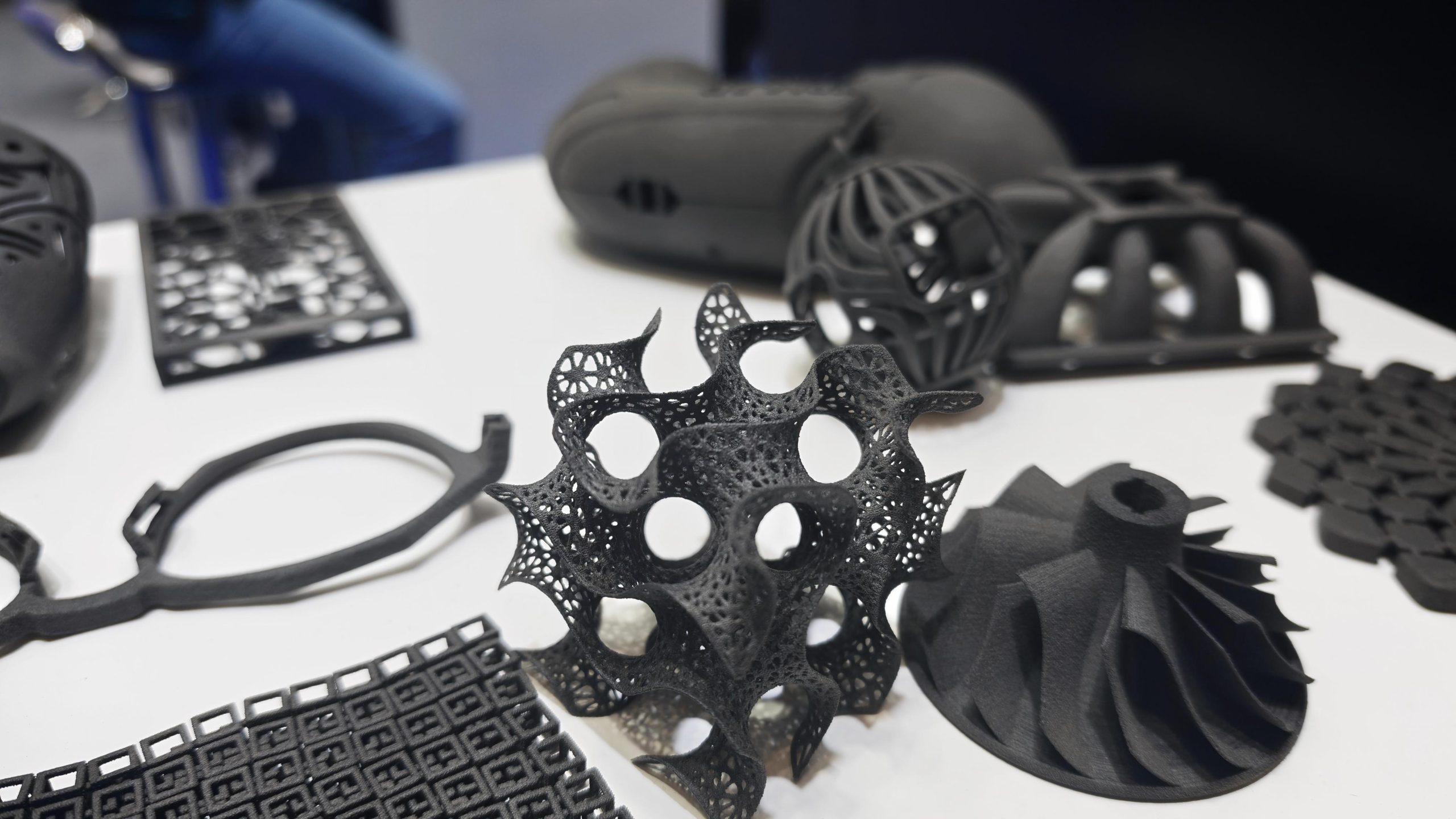
The CF250 + PPS250 is on display at TPM3D Booth C81, Hall 15, during Formnext Asia Shenzhen, August 26–28, 2026. Visitors can see the complete system, examine parts produced on the CF250 and discuss applications and production requirements directly with the TPM3D team.
Global Reseller Partnerships
TPM3D is also expanding its international partner network for its professional and industrial SLS portfolio.
Distributors and additive manufacturing solution providers interested in representing the CF250 + PPS250 can contact TPM3D to discuss product training, technical support, application development and marketing resources available to authorized partners.