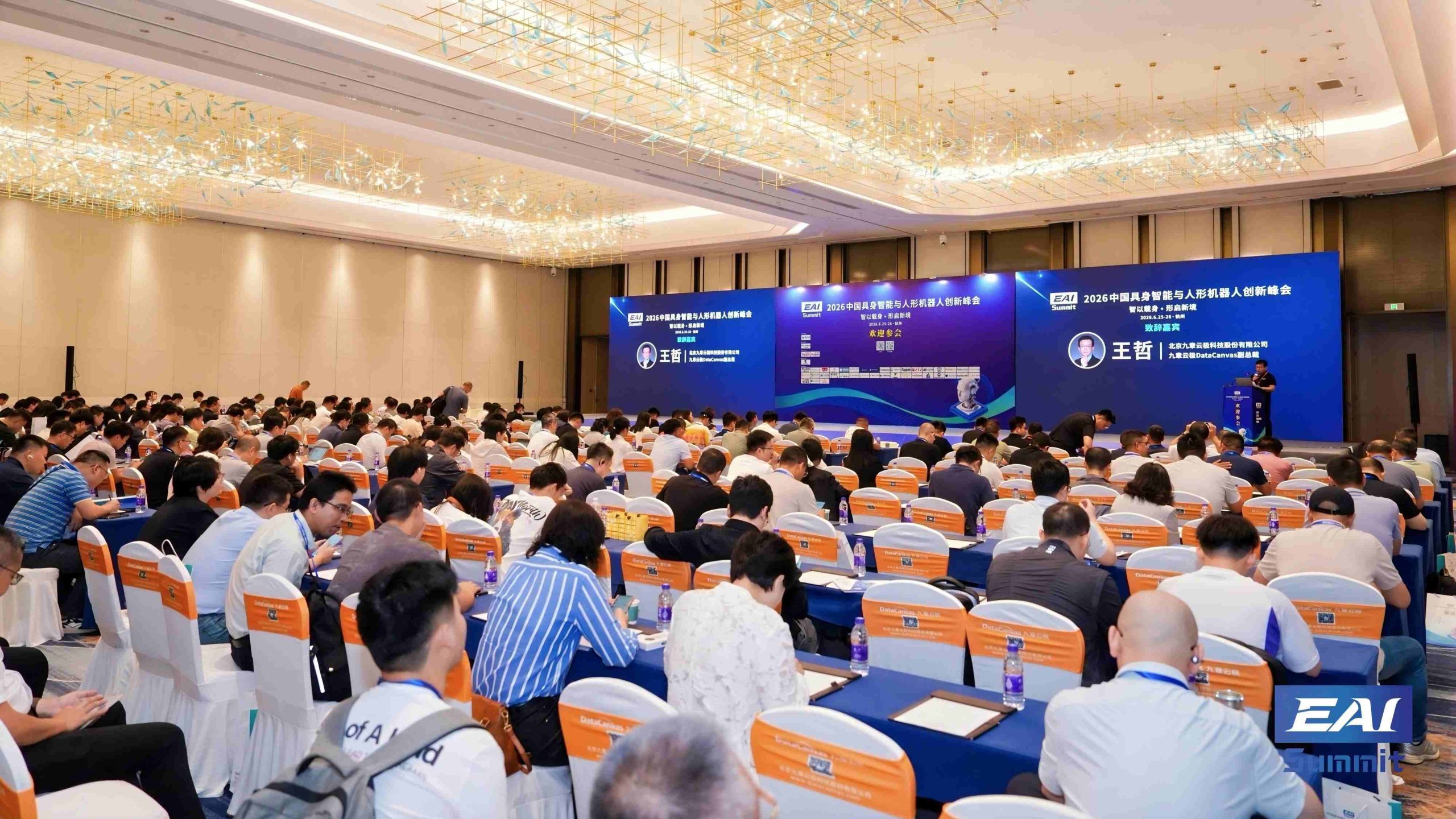
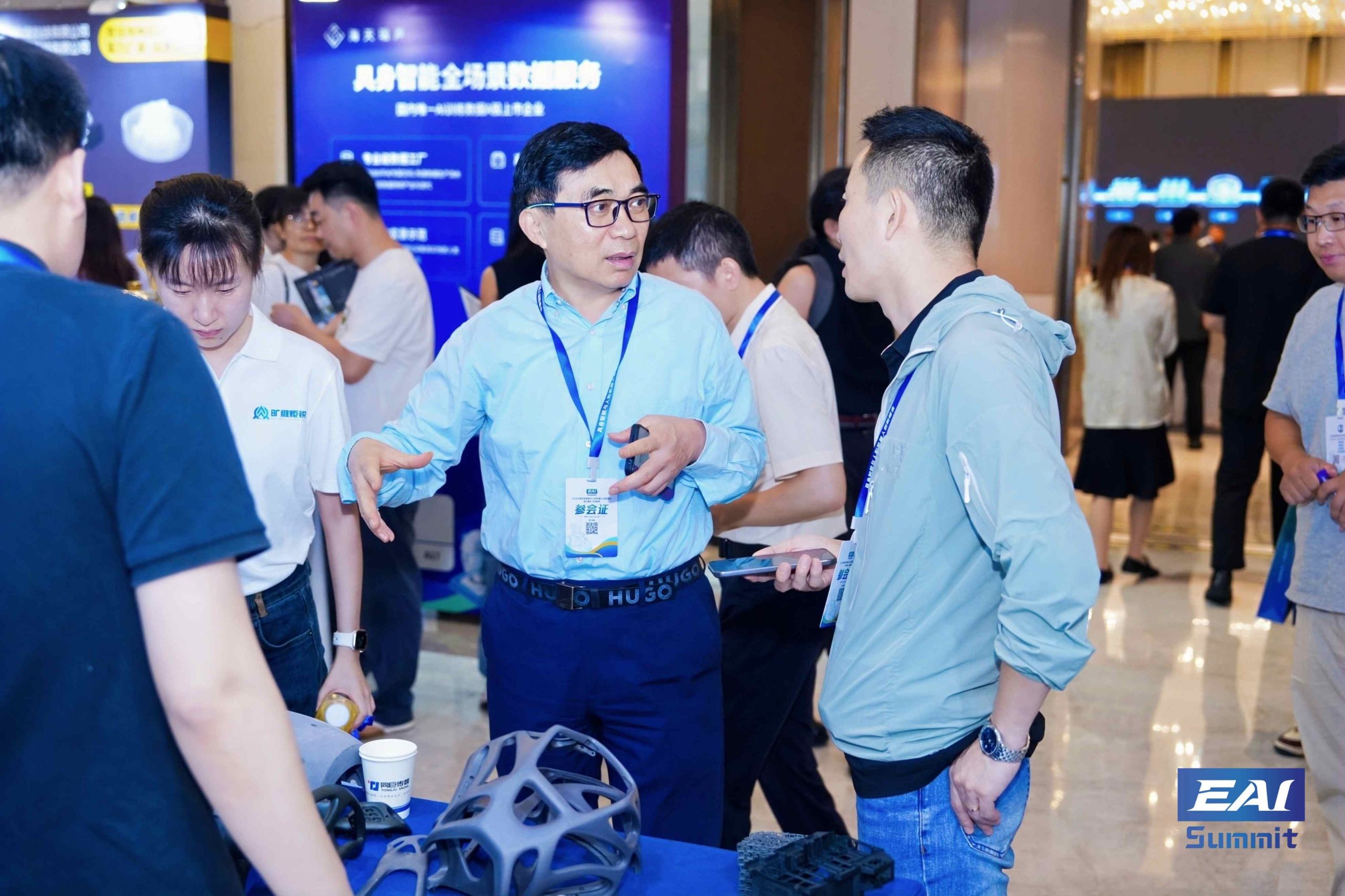
The 2026 China Embodied Intelligence and Humanoid Robotics Innovation Summit opened in Hangzhou, bringing together researchers, manufacturers, and industry stakeholders to discuss advances in humanoid robotics, embodied AI, and pathways toward scalable industrial adoption.
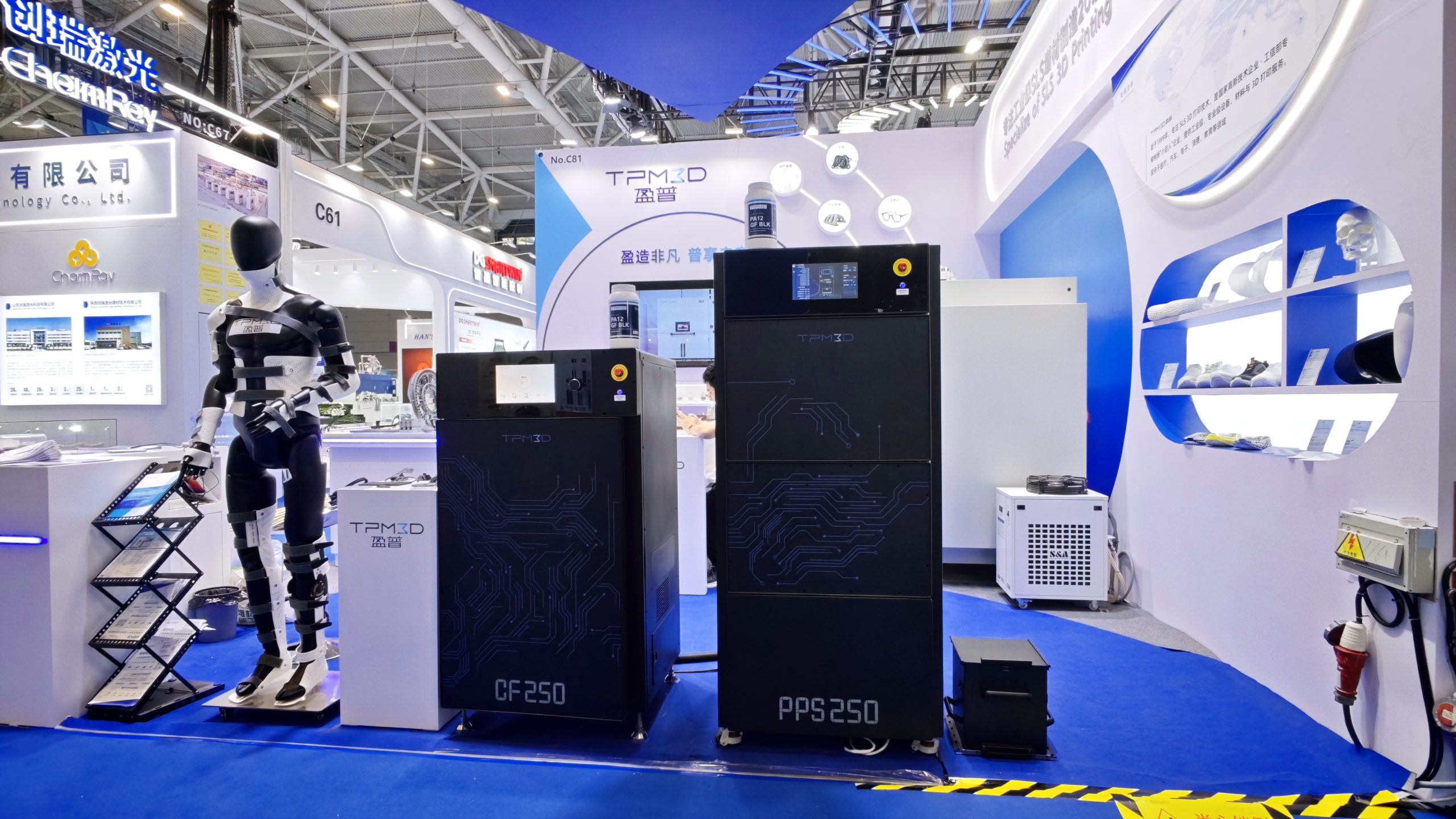
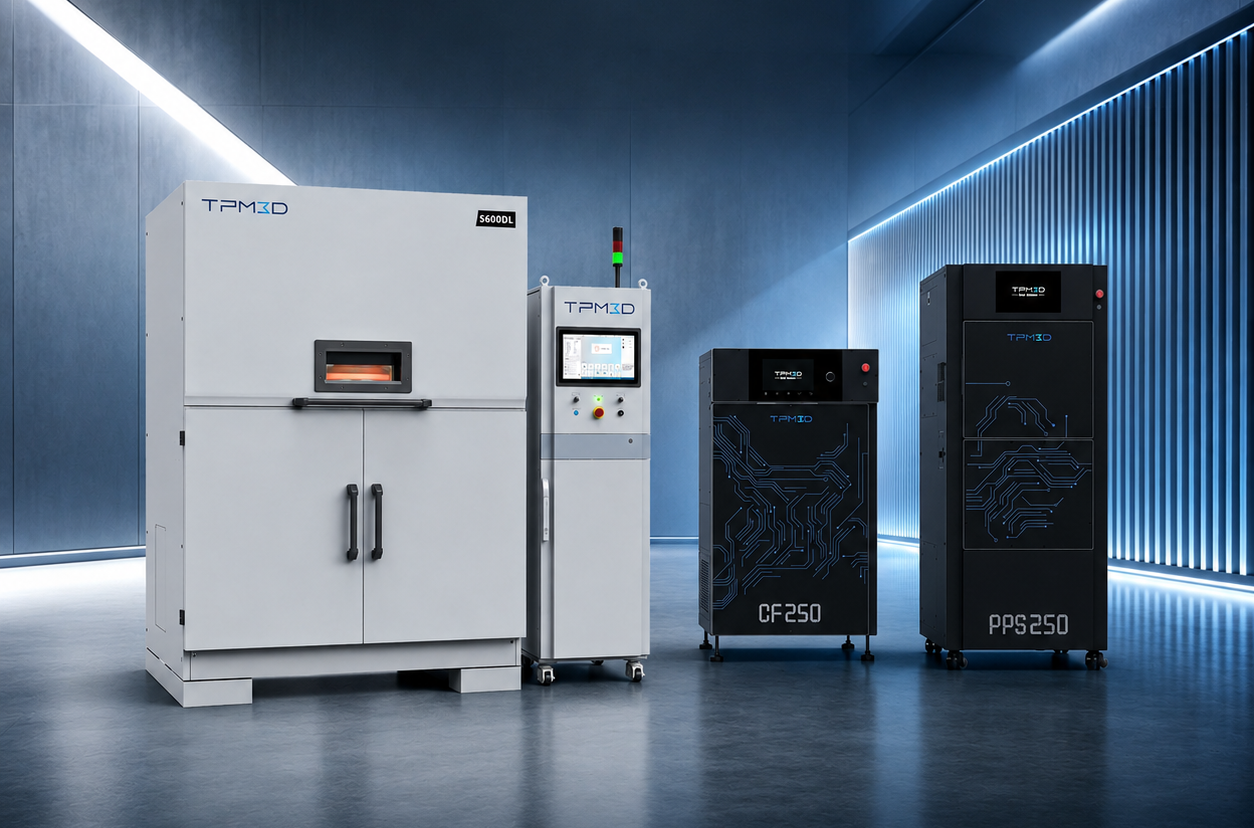
At the summit, TPM3D presented its selective laser sintering (SLS) 3D printing technology and a one-stop manufacturing solution for humanoid robotics. The showcase addressed key challenges in complex structural manufacturing and lightweight mass production.
SLS 3D Printing Applied to Humanoid Robot Structural Parts
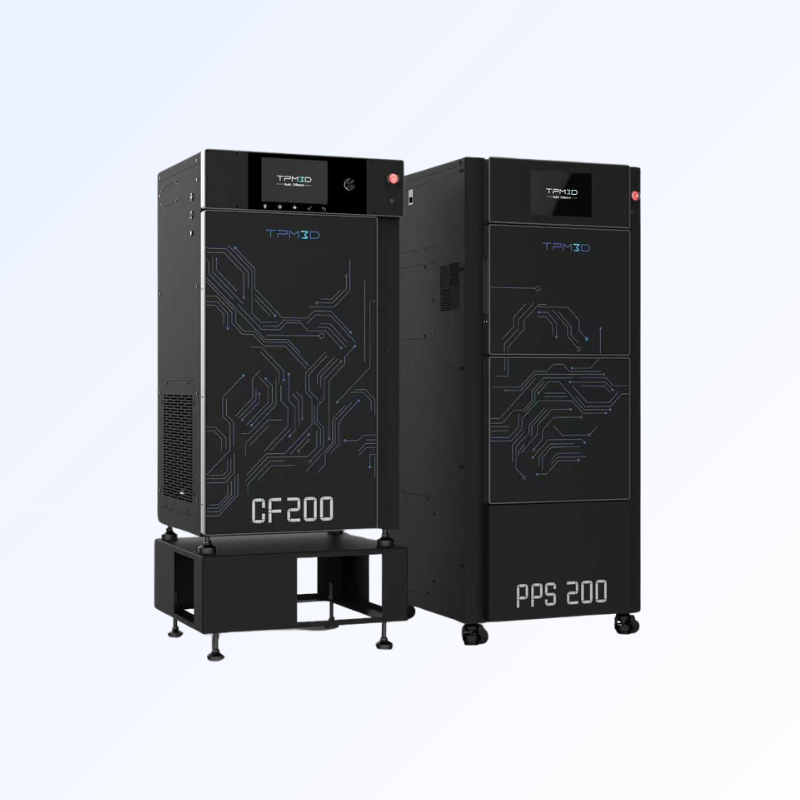
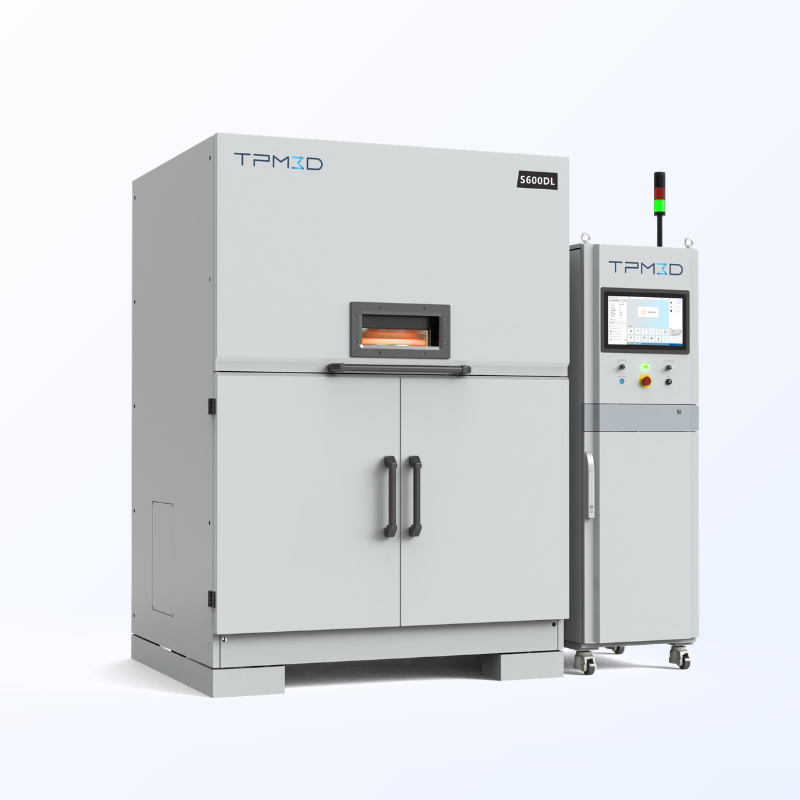
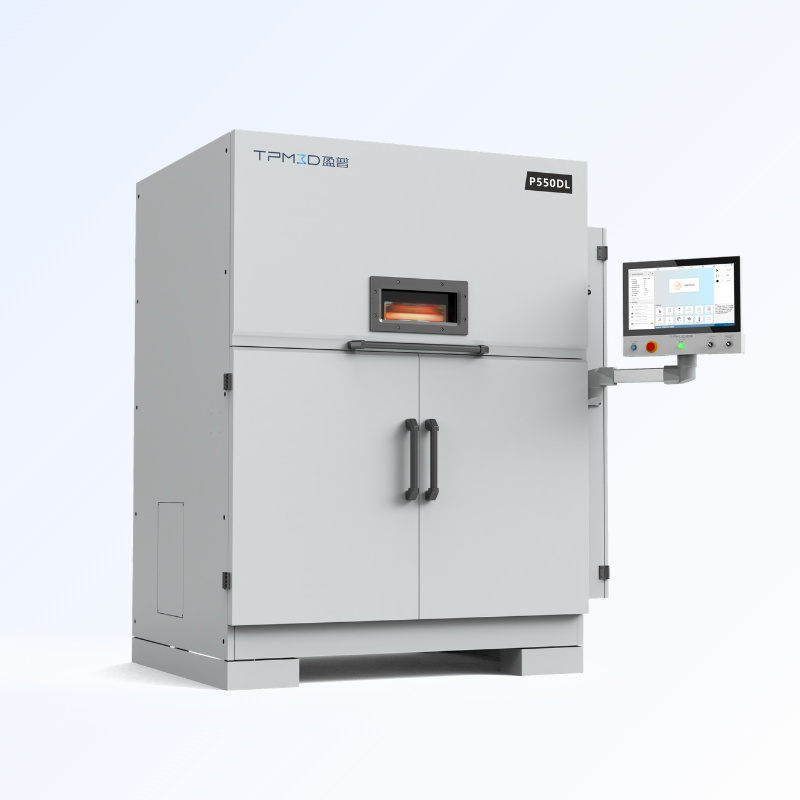
With more than two decades of experience in industrial SLS 3D printing, TPM3D has developed an integrated solution covering equipment, materials, and post-processing systems. This solution supports both rapid iteration and batch production of biomimetic structural components for humanoid robots.
At the event, TPM3D demonstrated real-world application cases highlighting the advantages of SLS technology in humanoid robotics manufacturing.
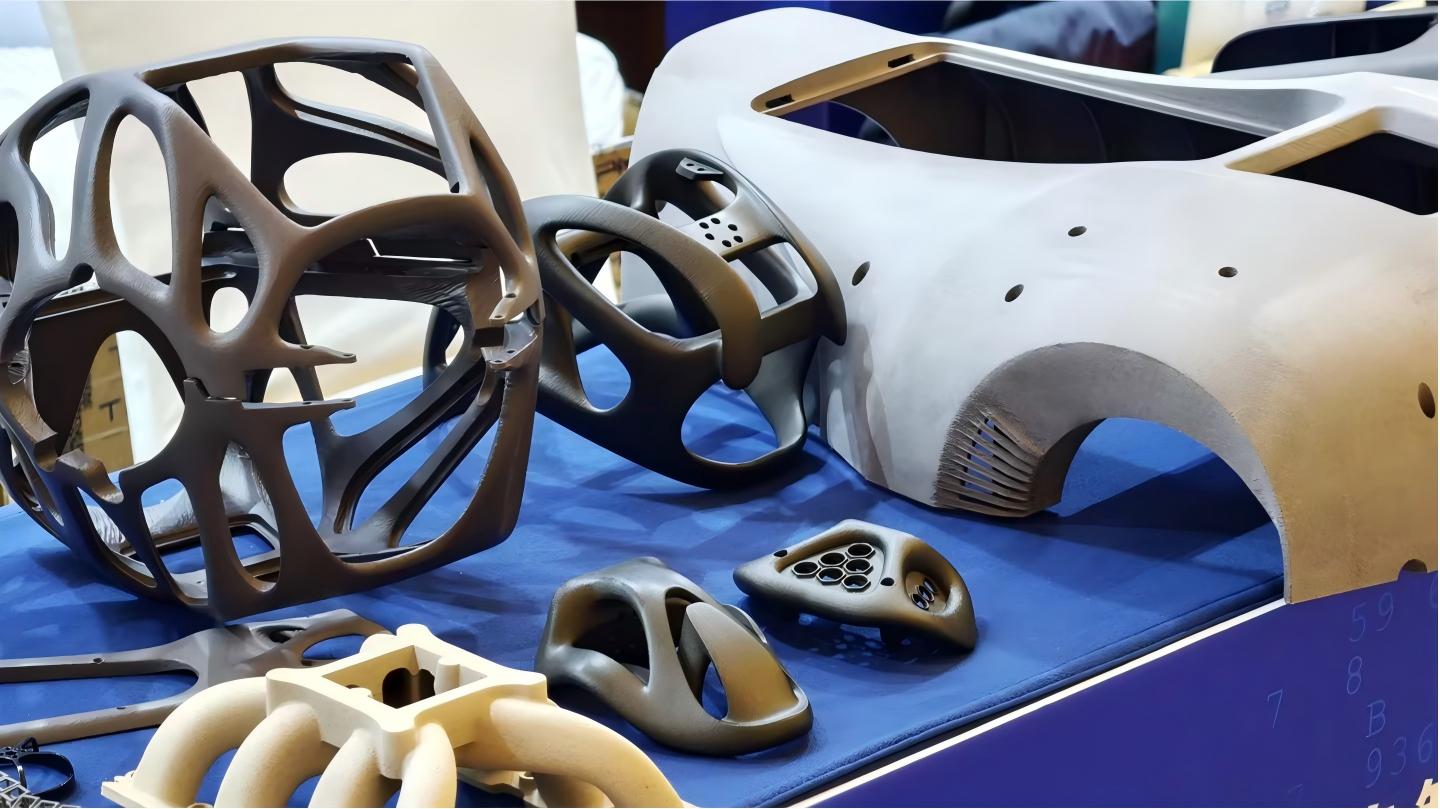
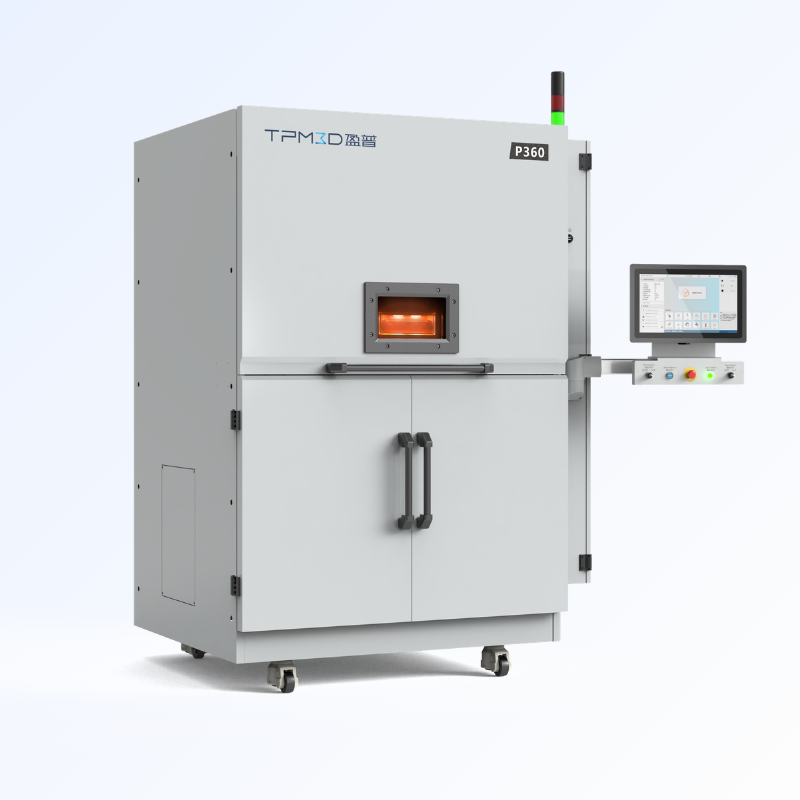
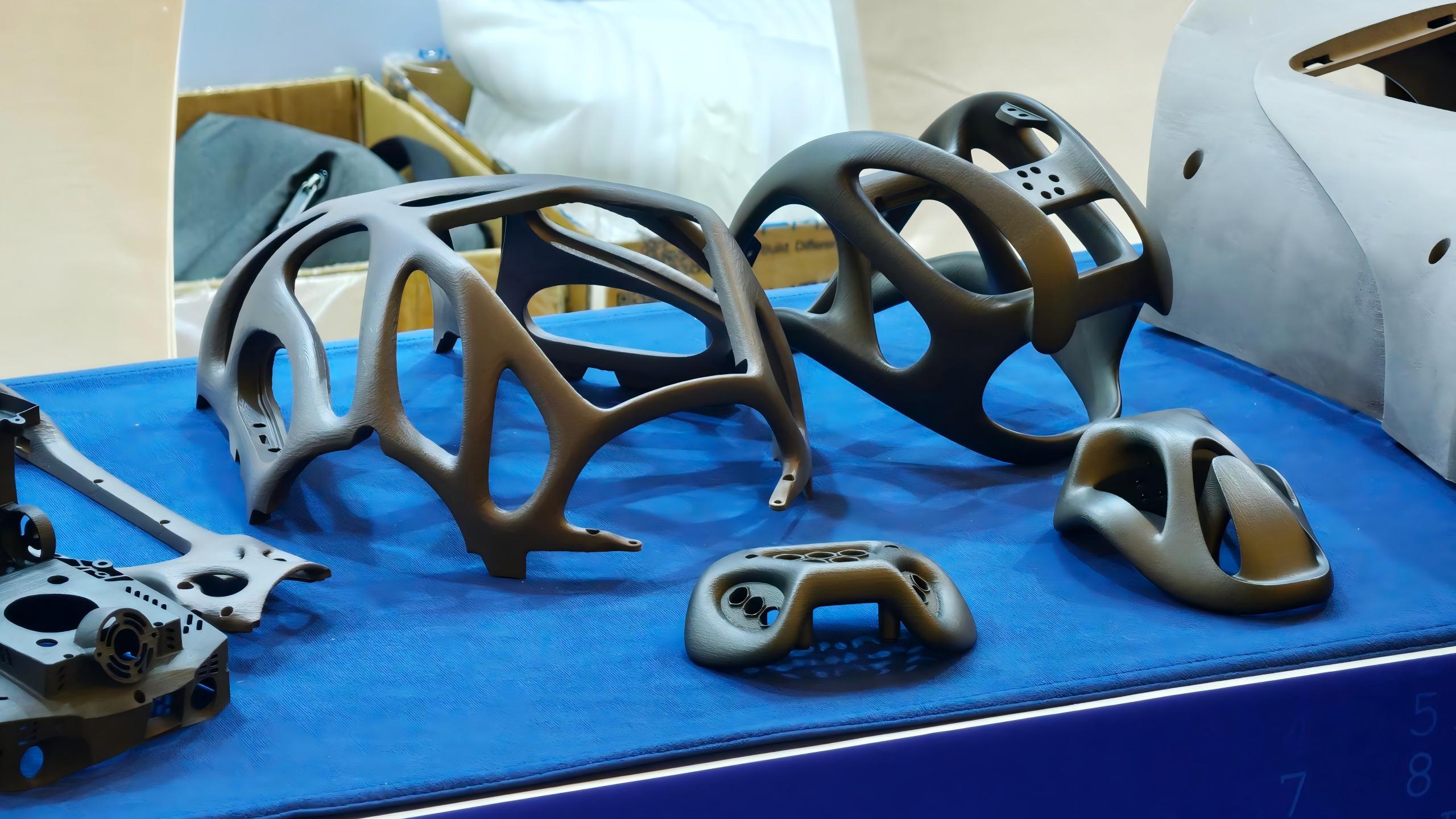
In one application case, TPM3D used its industrial P360 SLS system combined with Precimid1172Pro GF30 BLK glass-filled nylon material to produce a full set of biomimetic structural parts for a humanoid robot, including torso and limb components.
The parts were designed to meet the mechanical and functional requirements of dynamic humanoid motion, including walking, jumping, and repeated load-bearing movement.
Lightweight Structural Design Through Topology Optimization
According to TPM3D, the robot components were designed using topology optimization techniques to reduce weight while maintaining mechanical strength.
The resulting lattice and hollow structures helped reduce material usage while maintaining load-bearing capability under dynamic conditions. Compared with conventional metal machining, the printed parts achieved significant weight reduction, improving energy efficiency and mobility performance in robotic systems.
Batch Production Efficiency and Build Capacity
The P360 system used in the project features a build chamber of 360 × 360 × 600 mm. TPM3D reported that the system was able to produce 52 parts in a single build cycle.
The full set of components required approximately 32.5 hours of production time, enabling faster iteration cycles for humanoid robot development and assembly.
Material Efficiency Through Powder Recycling
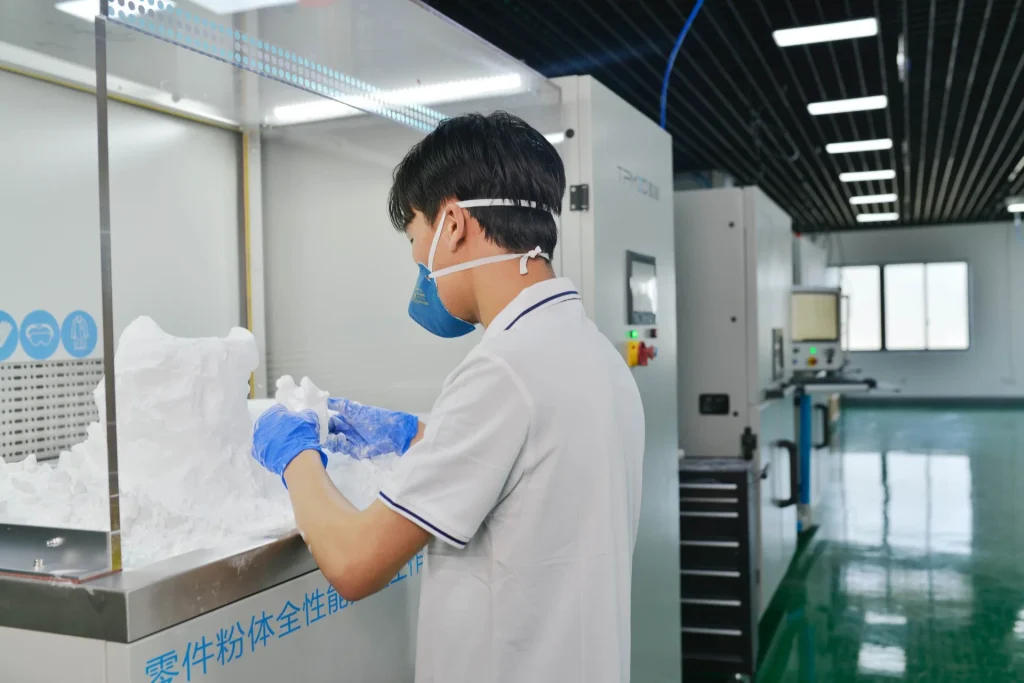
The project also applied a powder reuse strategy combining 20% new powder with 80% recycled material.
Total powder consumption for the full set of parts was 46.78 kg, of which 9.36 kg was virgin material. According to TPM3D, this approach helps reduce material costs and supports repeated prototyping and small-batch manufacturing scenarios common in robotics development.
Key Manufacturing Advantages for Humanoid Robotics
TPM3D outlined three core advantages of SLS technology in humanoid robot manufacturing:
Lightweight and High-Strength Parts for Dynamic Motion
SLS-produced nylon parts provide isotropic mechanical properties, offering consistent strength across all axes. This makes them suitable for dynamic robotic movements such as walking and joint articulation. The company noted that weight reduction compared with metal components can exceed 50% in some cases, contributing to lower energy consumption and improved motion efficiency.
Support-Free Production of Complex Geometries
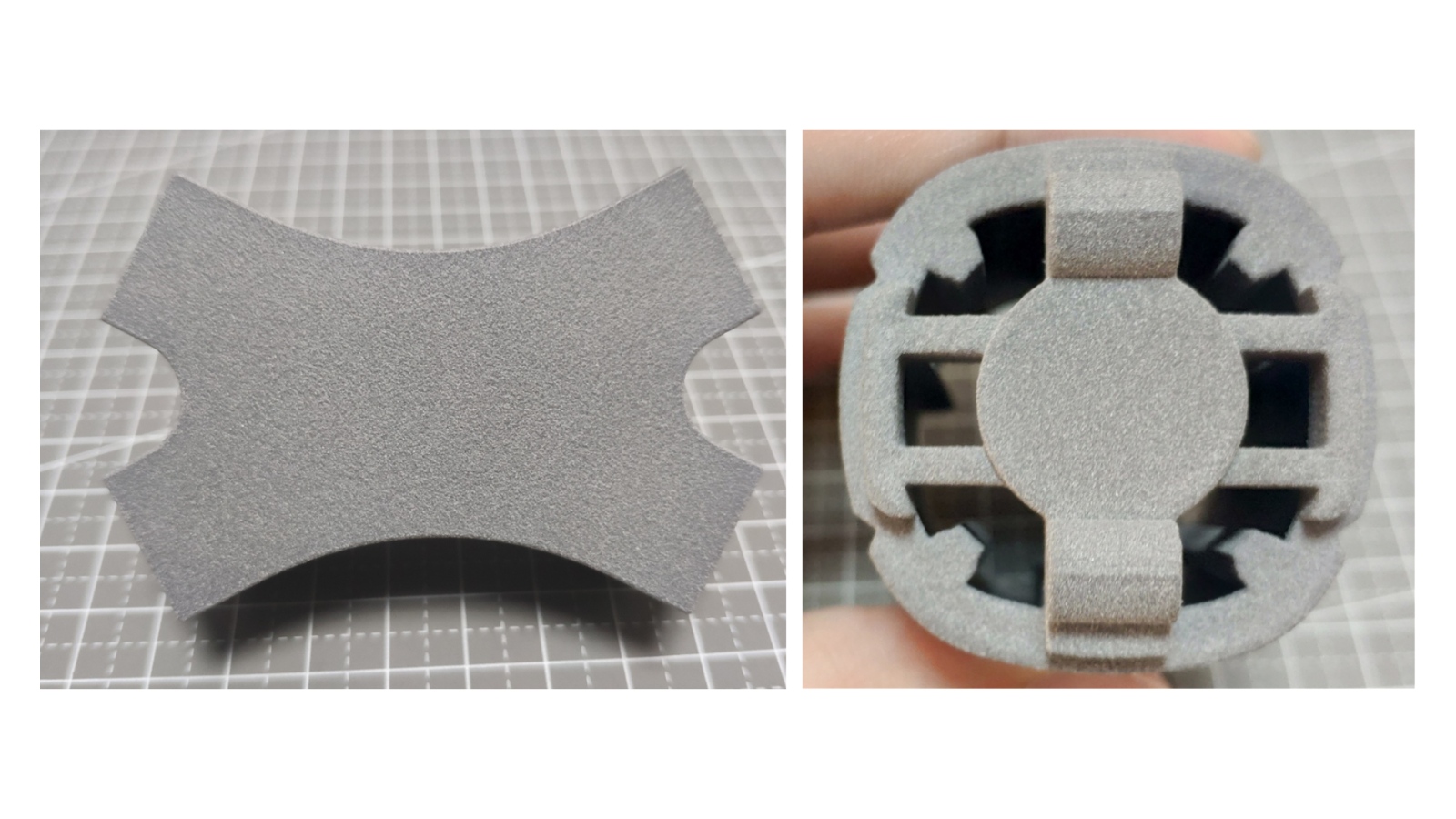
SLS technology enables parts to be manufactured without support structures, allowing complex internal geometries, hollow structures, and integrated housings for sensors to be produced in a single build. This reduces post-processing requirements and improves design flexibility for robotic systems.
Tool-Free Manufacturing for Rapid Iteration
Because SLS does not require molds, digital designs can be directly converted into physical parts. This supports rapid iteration during the development phase, where humanoid robot designs often undergo frequent structural changes and optimization.
Material Portfolio and Manufacturing Precision
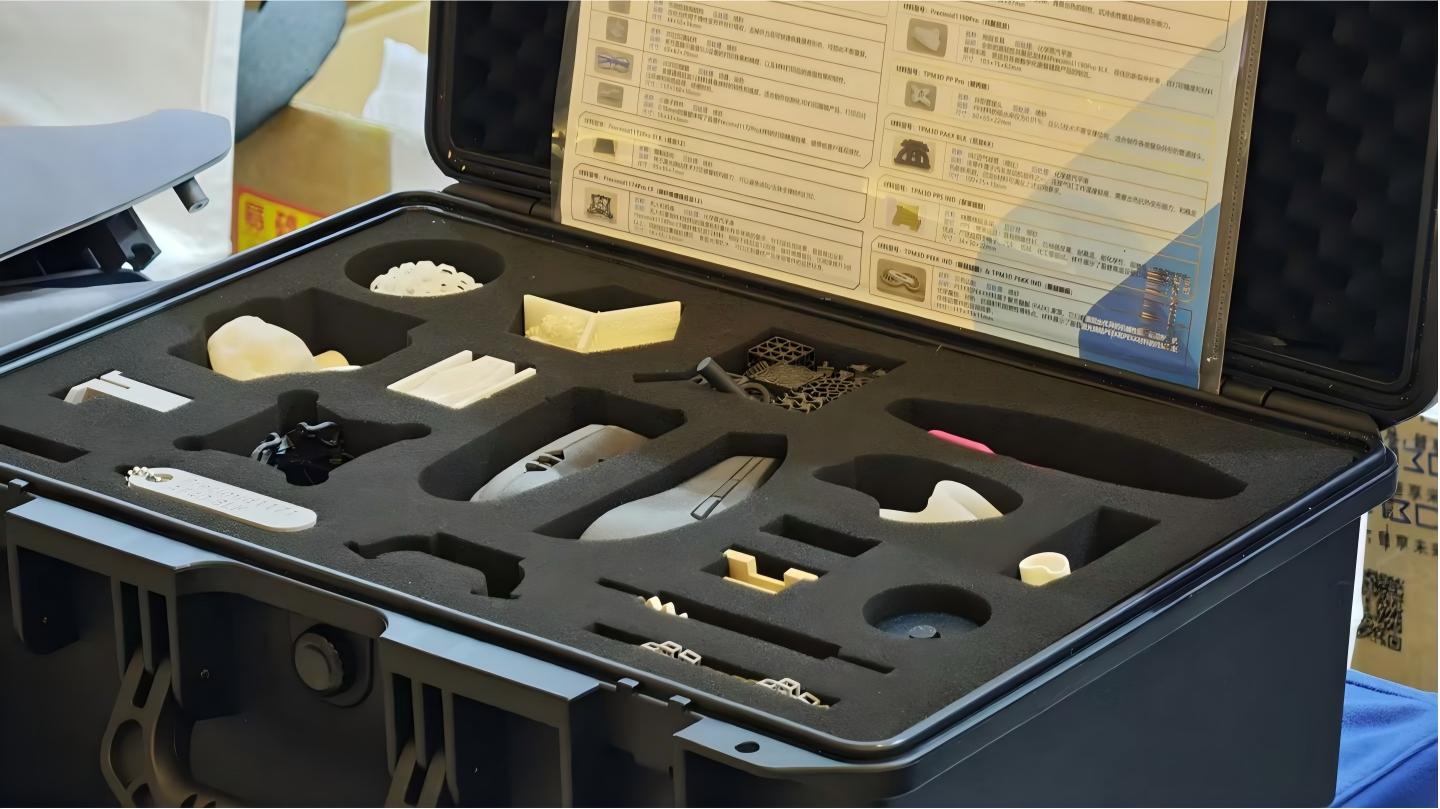
TPM3D also provides a comprehensive industrial material portfolio, including PA11, PA12, PP, TPU, PEEK, and PEKK. These materials support a wide range of applications, from general structural parts to wear-resistant and high-temperature components.
The SLS systems maintain a dimensional accuracy of approximately ±0.2 mm per 100 mm, ensuring assembly precision for complex robotic structures.
Outlook
TPM3D will continue to optimize its SLS equipment, materials, and process technologies to support humanoid robotics manufacturing.
With capabilities including support-free production, lightweight design, powder recycling efficiency, and rapid iteration, SLS technology is increasingly suited for structural development, prototyping, and small-batch production in humanoid robotics, supporting the ongoing industrialization of embodied intelligence applications.