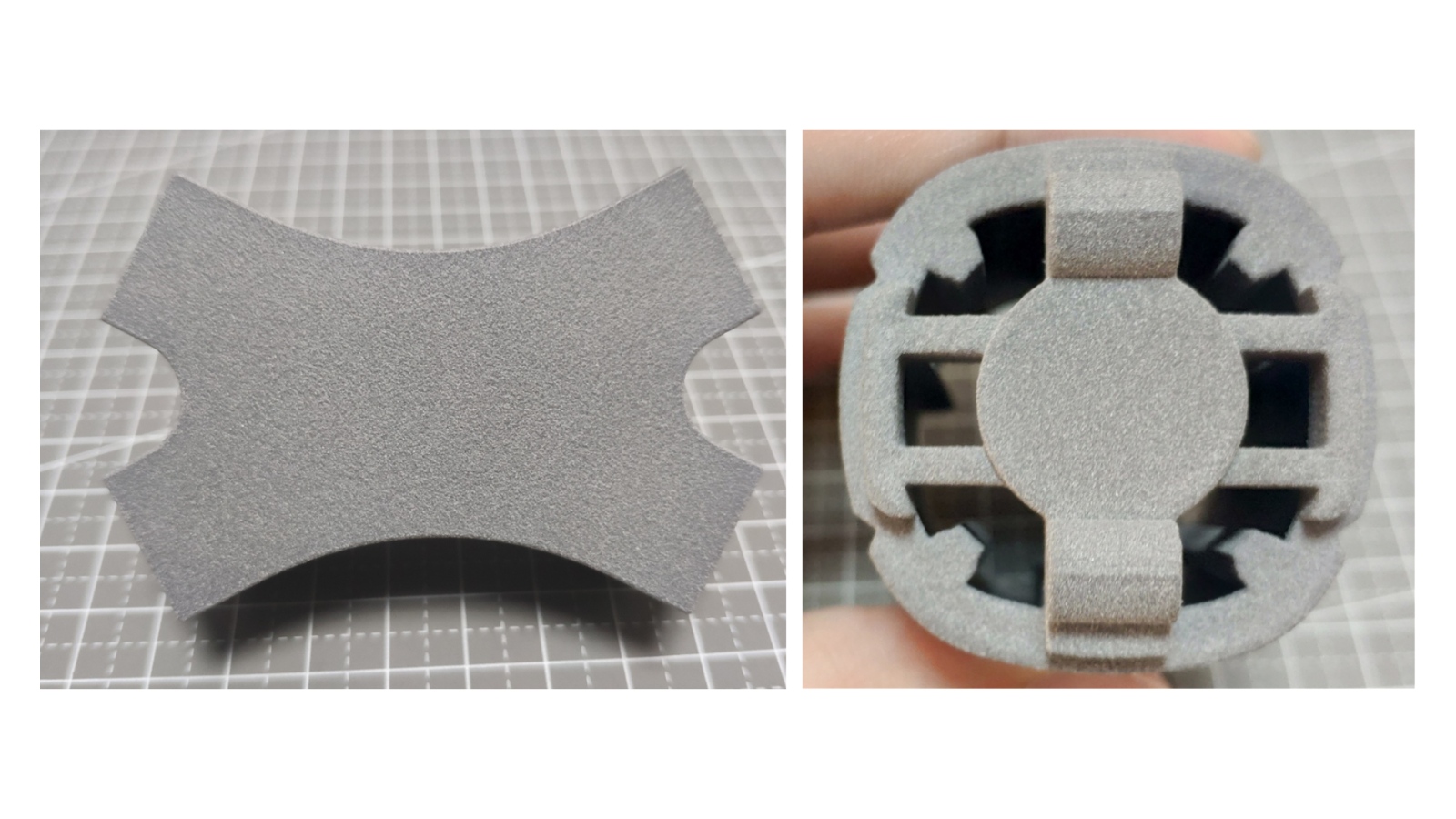
High-performance additive manufacturing has shifted from prototyping to functional, end-use production parts in demanding industries such as aerospace, medical, and oil & gas.
While standard polymers like Nylon (PA12/PA11) are widely used in industrial 3D printing, they cannot meet requirements for extreme environments involving high heat, chemicals, or mechanical stress.
This is where high-performance thermoplastics such as PEEK (Polyether Ether Ketone) and PEKK (Polyether Ketone Ketone) become essential.
However, processing these materials requires a fundamentally different class of machine: a high-temperature 3D printer designed for controlled thermal environments and industrial-grade stability.
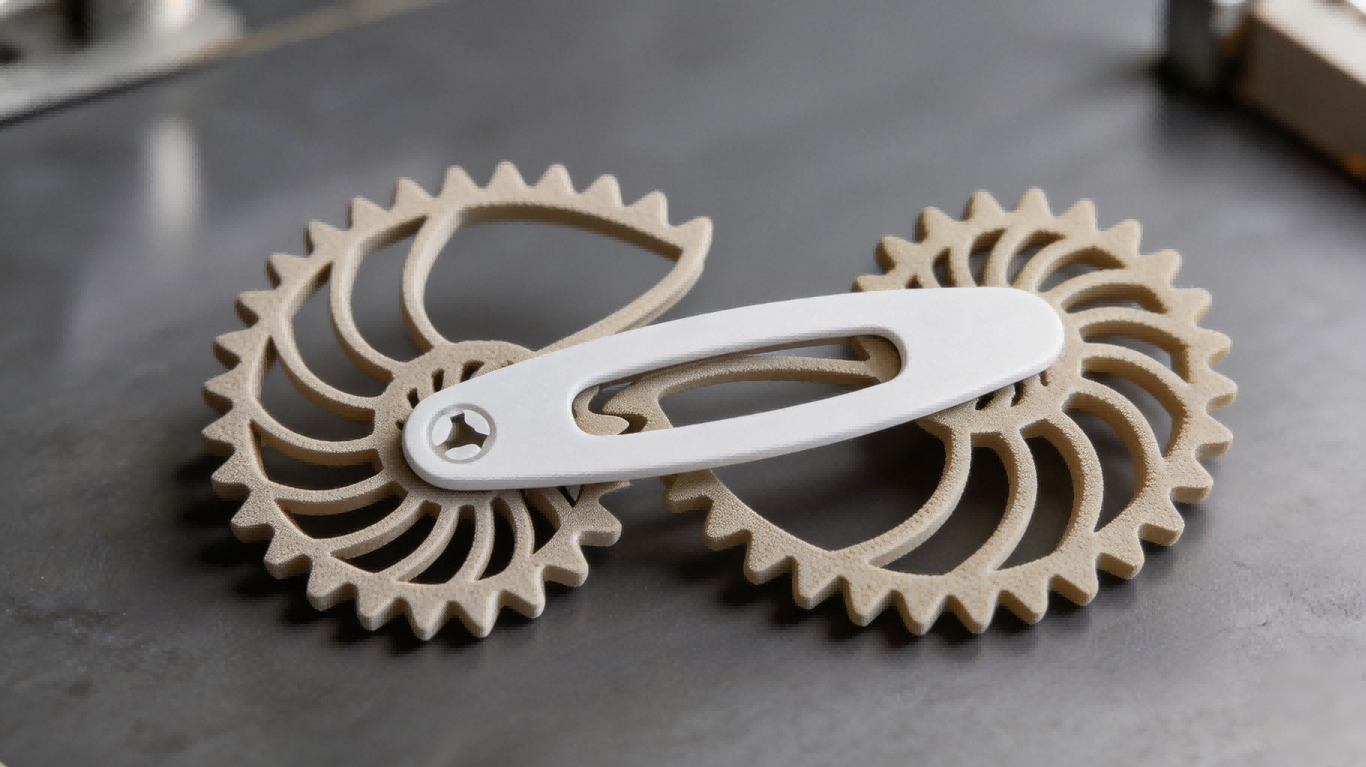
What Is a High Temperature 3D Printer?
A high temperature 3D printer is an additive manufacturing system specifically engineered to provide and maintain the extreme thermal environments required to process high-performance polymers. While a standard industrial printer might operate at temperatures suitable for Nylon (roughly 170°C to 190°C), a PEEK-capable system must be able to manage temperatures significantly higher to control the material’s semi-crystalline structure.
What defines a “PEEK 3D printer” is not just the ability to reach a high peak temperature, but the ability to maintain thermal stability and uniformity throughout the entire build process.
Why Standard Printers Fail with PEEK and PEKK?
The primary reason standard 3D printers fail to successfully process PEEK and PEKK lies in the materials’ semi-crystalline nature. When these polymers melt, their molecules arrange themselves into a specific order under the influence of heat, a process known as crystallization.
1. Crystallization and Internal Stress
In 3D printing, the crystallization process must be strictly controlled because the material changes density as it crystallizes. If a part cools too quickly or unevenly—which happens in standard printers without adequate chamber heating—the material contracts prematurely. This leads to:
- Warping: The part curls away from the build plate or deforms within the powder bed.
- Poor Interlayer Bonding: Layers do not fuse properly at a molecular level, leading to delamination.
- Unpredictable Mechanical Properties: The part may have amorphous regions and crystalline regions, resulting in inconsistent strength.
2. Temperature Fluctuations
PEEK is a highly “demanding” material. Successful printing requires that high temperature levels in the build chamber be maintained without any fluctuations. Standard printers often lack the insulation, high-power heating elements, and precision sensors (pyrometers) required to keep a build environment stable at 300°C+ for hours or days at a time.
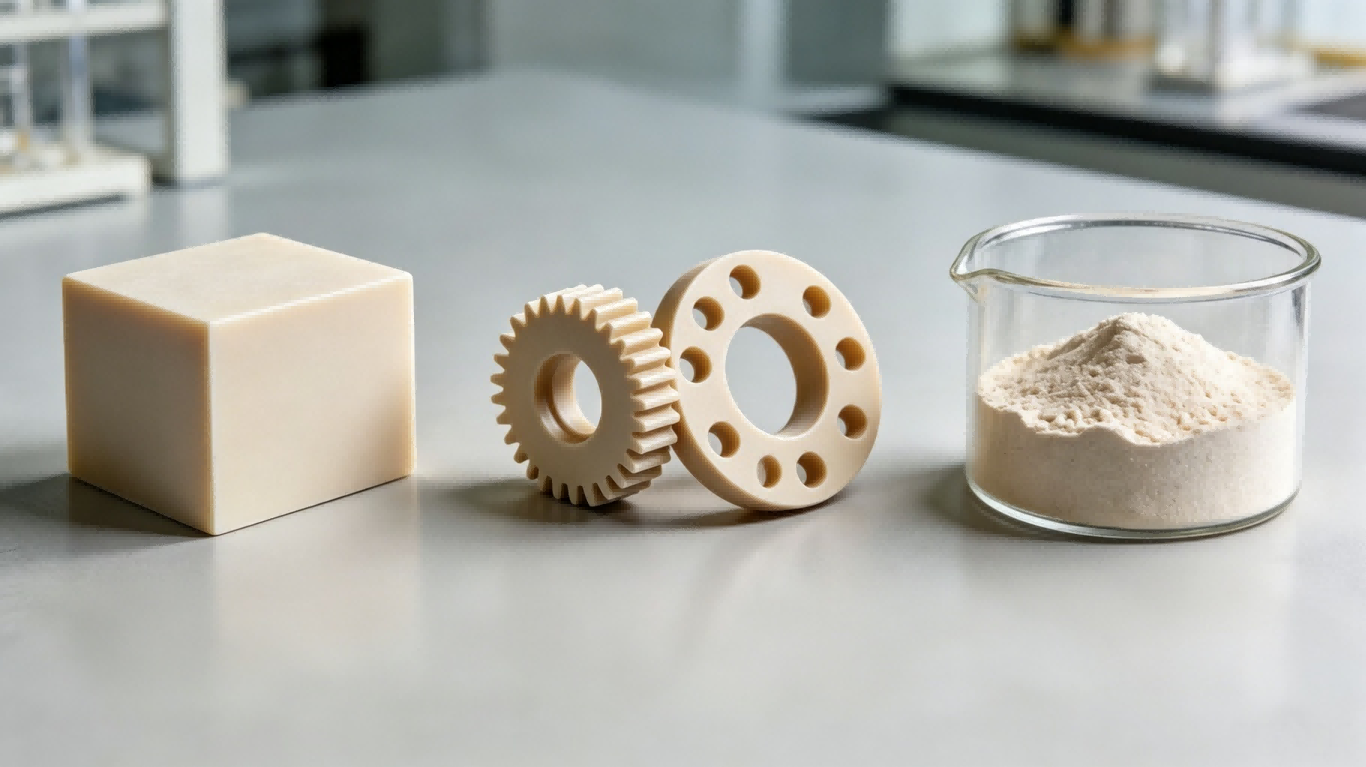
Core Technical Requirements for PEEK & PEKK Printing
The most critical component of a high temperature 3D printer is its thermal management system. For high-performance polymers, the chamber is not just an enclosure; it is a precisely controlled oven.
Chamber Temperature Requirements
For FDM-based PEEK printing, a chamber must be heated to at least 120°C, with an extruder reaching 400°C and a build plate at 230°C. However, in Selective Laser Sintering (SLS), the requirements are even more rigorous.
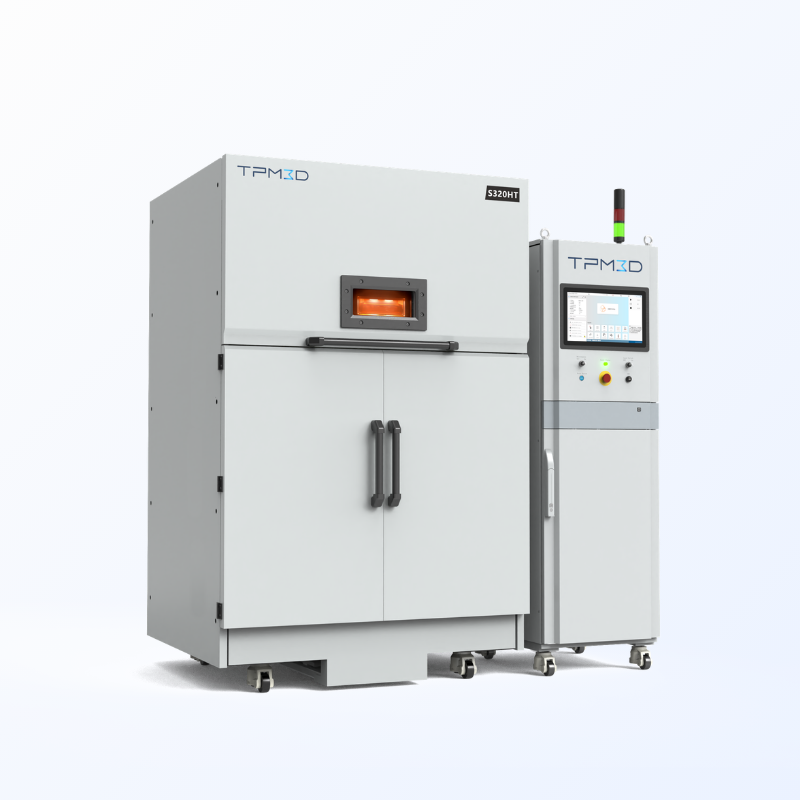
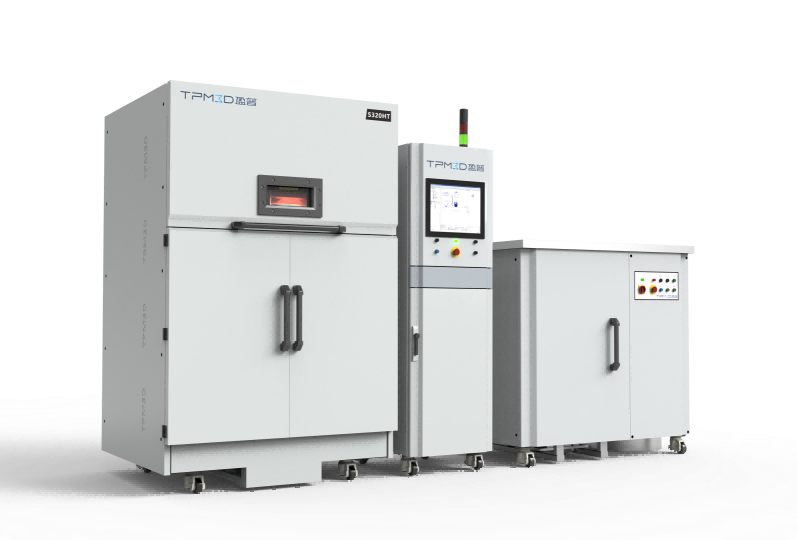
Industrial SLS systems like the TPM3D S320HT are purpose-built to maintain a constant chamber temperature of up to 350°C. This high ambient temperature ensures that the entire part remains just below its melting point, allowing the laser to provide the final “sintering” energy without causing thermal shock or warping as the part is built.
Thermal Stability Monitoring
To manage this extreme heat, the system must utilize high-precision thermal sensors. The S320HT, for instance, uses a powder pyrometer with a long-term stability of 0.1°C per year. This level of precision is necessary to ensure that the crystallization process remains stable across different production runs, maintaining quality and dimensional control.
Laser and Optics Requirements
In SLS PEEK 3D printing, the laser is responsible for the final fusion of the polymer particles. Because PEEK and PEKK have high melting points, the laser must be powerful and precisely controlled.
Laser Power and Type
Most high-temperature SLS printers utilize a CO₂ laser. The S320HT features a 60W CO₂ laser which provides the necessary energy to sinter advanced polymers like PEEK, PEKK, and PPS.
3-Axis Dynamic Focusing
Precision is as important as power. At high temperatures, even minor inaccuracies in the laser path can lead to defects in the semi-crystalline structure. High-quality PEEK 3D printers utilize 3-axis dynamic focusing systems. This technology ensures that the laser beam maintains a consistent diameter and focus (e.g., a 0.22 mm beam diameter on the S320HT) across the entire building chamber, regardless of where the part is positioned. This ensures uniform mechanical performance for all parts in a nested build.
Powder Handling and Recoating Challenges
Handling polymer powder at 300°C presents significant mechanical challenges that standard 3D printers are not equipped to handle.
Powder Feeding and Recoating
At extreme temperatures, the flowability of polymer powder can change. A standard recoater may “drag” the powder or create uneven layers, which leads to density variations in the final part.
- Smart Blade Recoater: Specialized systems like the S320HT use a smart blade recoater. This mechanism is engineered to ensure even powder distribution even in high-temperature environments, which is critical for achieving a consistent surface finish and reliable layer bonding.
- Bi-Directional Feeding: To improve efficiency and thermal stability, powder is discharged from the top and fed from both sides of the chamber.
Build Volume and Flexibility
Because PEEK and PEKK are expensive materials, manufacturers often need to optimize the build volume for different production scales. Industrial systems like the S320HT offer interchangeable build chambers.
Users can choose a large chamber (320 × 320 × 380 mm) for batch production or a smaller one (250 × 250 × 380 mm) to reduce material usage for smaller prototypes or research projects.
Material Deep-Dive: PEEK, PEKK, and PPS
Understanding PEEK 3D printer requirements also necessitates a look at the materials themselves. These “Apex Polymers” offer mechanical properties that rival metals in specific environments.
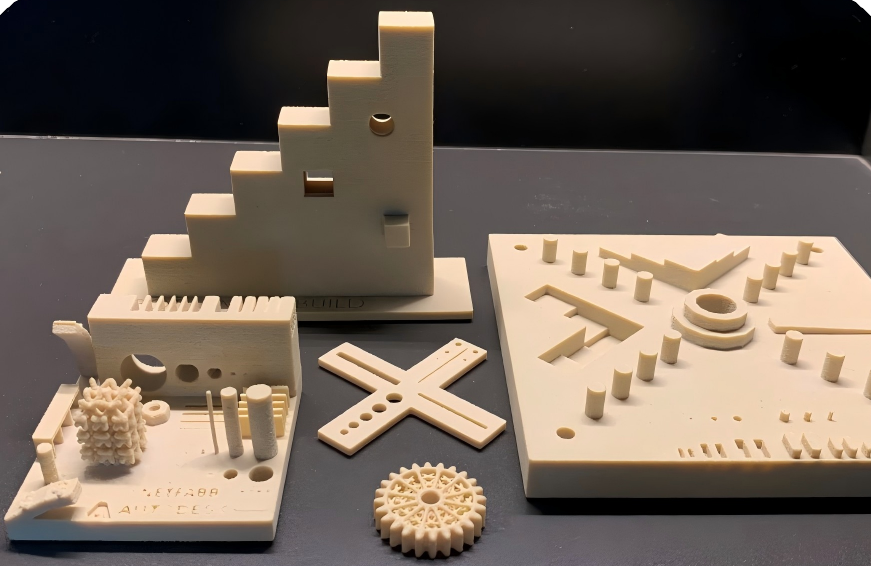
1. PEEK (Polyether Ether Ketone)
PEEK is the most famous high-performance polymer. It is prized for its high strength-to-weight ratio and is often used to replace metals in aerospace and medical sectors.
- Mechanical Strength: TPM3D PEEK IND offers a tensile strength of 80 MPa and a tensile modulus of 5,000 MPa.
- Thermal Stability: It can withstand temperatures up to 294°C (at 0.45 MPa).
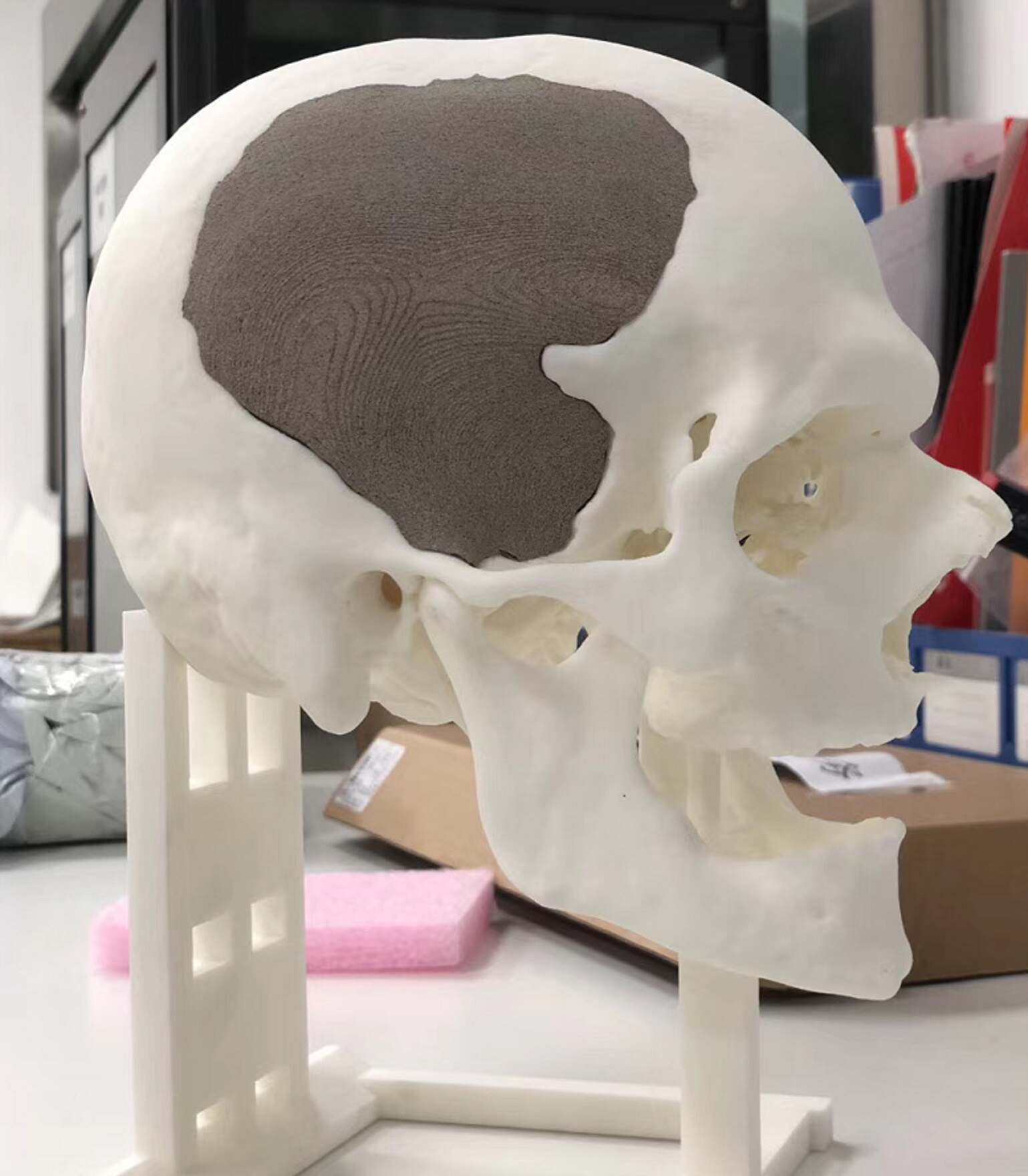
- Biocompatibility: It is sterilizable and has properties similar to human bone, making it ideal for custom-made implants.
- See TPM3D PEEK IND specifications
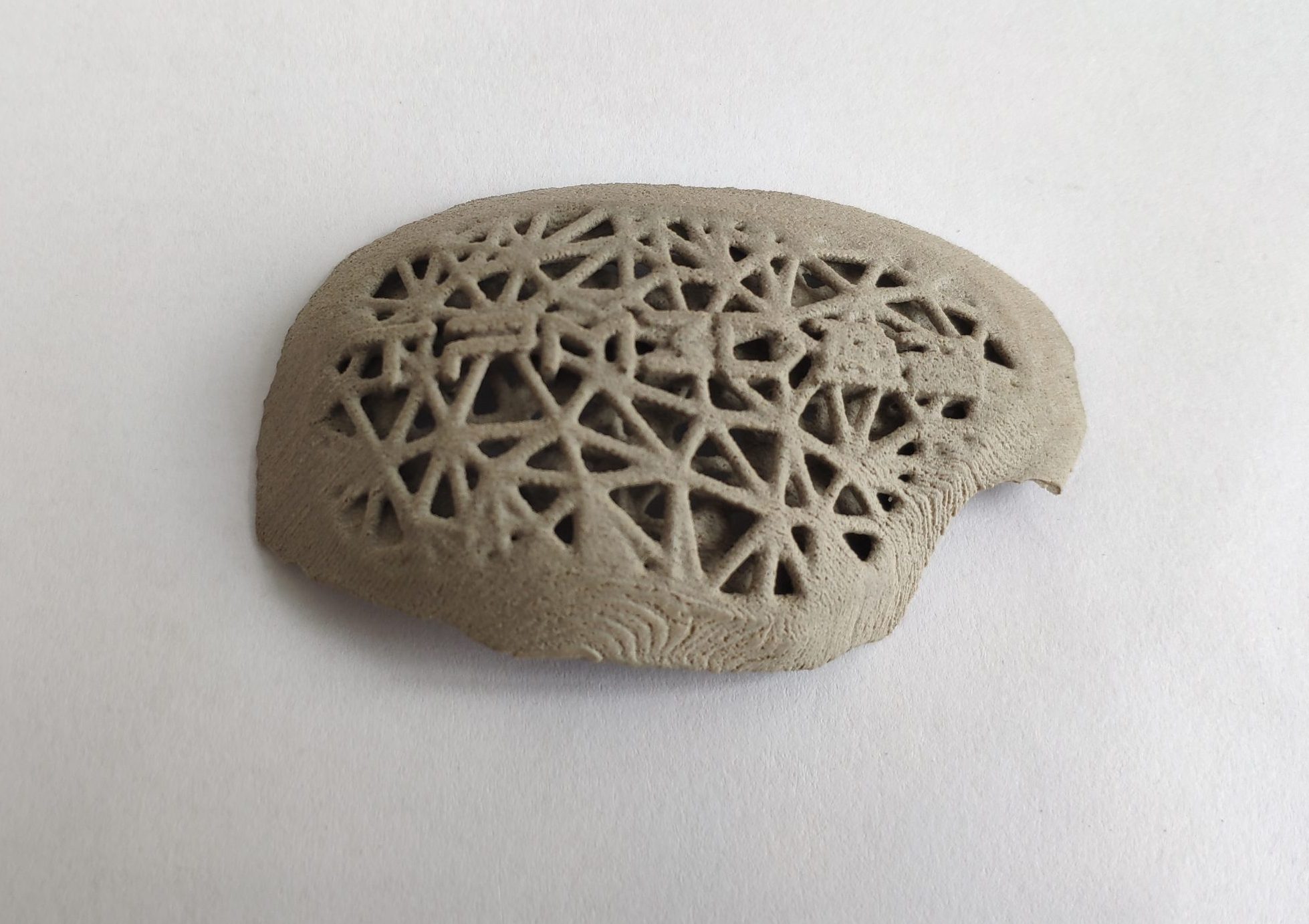
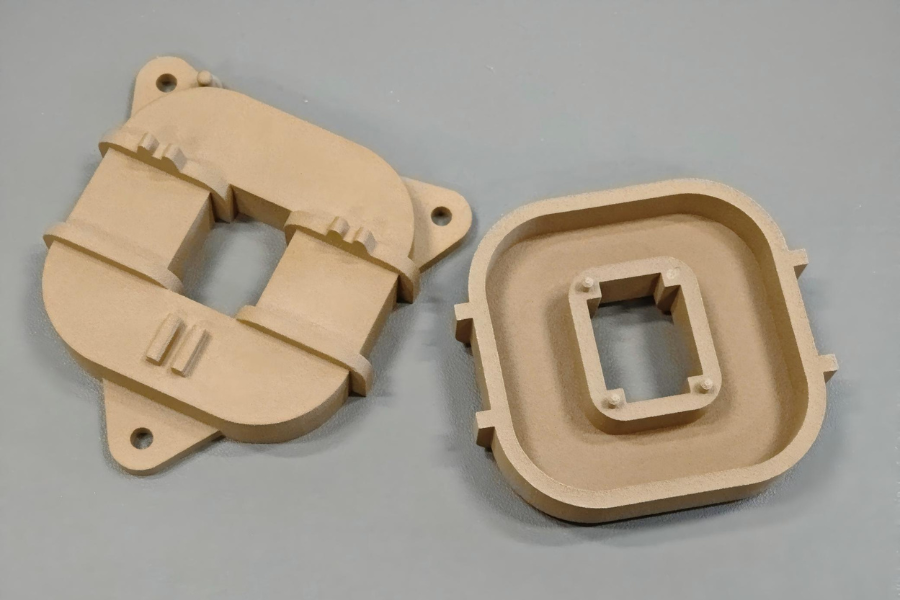
2. PEKK (Polyether Ketone Ketone)
PEKK is a member of the same family but is often characterized by even higher stiffness and inherent flame retardancy.
- Rigidity: TPM3D PEKK IND provides a flexural modulus of 7,200 MPa and a flexural strength of 160 MPa.
- Applications: It is valued for high-stress and high-temperature conditions in aerospace and industrial machinery.
- See TPM3D PEKK IND specifications
3. PPS (Polyphenylene Sulphide)
PPS offers high stiffness and stable chemical properties. It is particularly resistant to aggressive solvents, fuels, and corrosive environments.
- Thermal Integrity: It maintains mechanical performance at temperatures exceeding 200°C.
- See TPM3D PPS IND specifications
Industrial Applications and Case Study
Aerospace, Medical, and Automotive
High temperature 3D printing is utilized where “standard” plastics would fail:
- Aerospace: Lightweight, high-strength parts that must survive the extreme temperatures and chemical exposures of space or jet engines.
- Medical: Biocompatible implants and surgical tools that require high-temperature sterilization.
- Automotive: Under-the-hood functional parts that must resist heat and corrosive fluids.
Case Study: Southern University of Science and Technology (SUSTech)
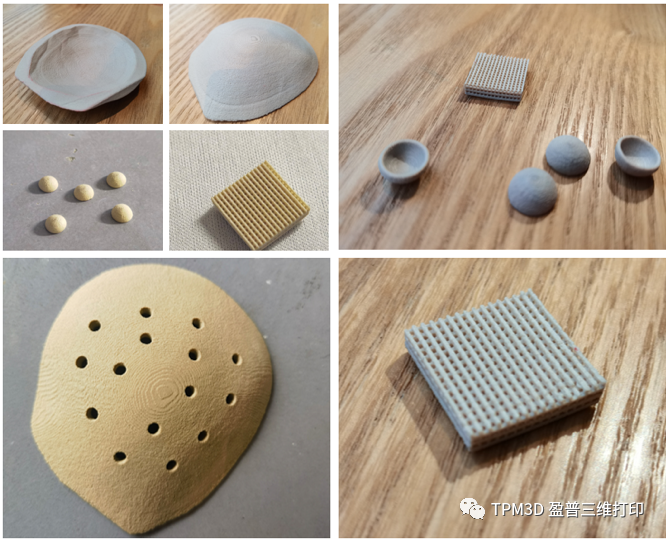
The Southern University of Science and Technology in China utilizes the TPM3D S320HT to advance research in high-performance polymers. By employing an industrial-grade high temperature 3D printer, the research team achieved:
- Stable Printing Processes: They successfully controlled the strict molding temperatures required for PEEK and PEKK.
- Material Development: The university developed its own proprietary PEEK polymer material and molding techniques.
- High-End Manufacturing: They produced high-performance components with strong industrial potential for medical implants and biocultivation.
- Read more
FAQ:
What is a PEEK 3D printer?
A PEEK 3D printer is a high-temperature additive manufacturing system specifically engineered to provide the thermal stability and extreme heat (up to 350°C) required to process advanced polymers like PEEK and PEKK.
Why is PEEK difficult to 3D print?
It is difficult because it requires extremely high, stable processing temperatures to control its crystallization process. Without precise thermal management, parts suffer from warping and poor mechanical performance.
Is SLS or FDM better for PEEK?
SLS is generally preferred for industrial applications because it produces quasi-isotropic parts (97-98% isotropy) and requires no support structures, allowing for greater geometric freedom and higher production efficiency.
What industries use PEEK 3D printing?
Key industries include aerospace (for lightweighting), medical (for biocompatible implants), and automotive (for heat-resistant engine parts).
Choosing the Right Tool for the Job
The shift toward high-performance additive manufacturing requires a “material-first” mindset. While standard 3D printers are excellent for Nylon or PLA, they lack the thermal architecture necessary to unlock the metal-like properties of PEEK and PEKK.
A true high temperature 3D printer, such as the TPM3D S320HT, must integrate high-power CO₂ lasers, 3-axis dynamic focusing, and extreme thermal stability (up to 350°C) to manage the complex crystallization of these polymers. By meeting these rigorous requirements, manufacturers can achieve the freedom of complex design, the strength of quasi-isotropic parts, and the reliability of industrial batch production in the most demanding environments on Earth—and beyond.
> See also:
PEEK 3D Printing: Complete Guide to High-Temperature Additive Manufacturing
Complete Guide to SLS 3D Printing Materials (PA12, PA11, CF, GF, PEEK & More)