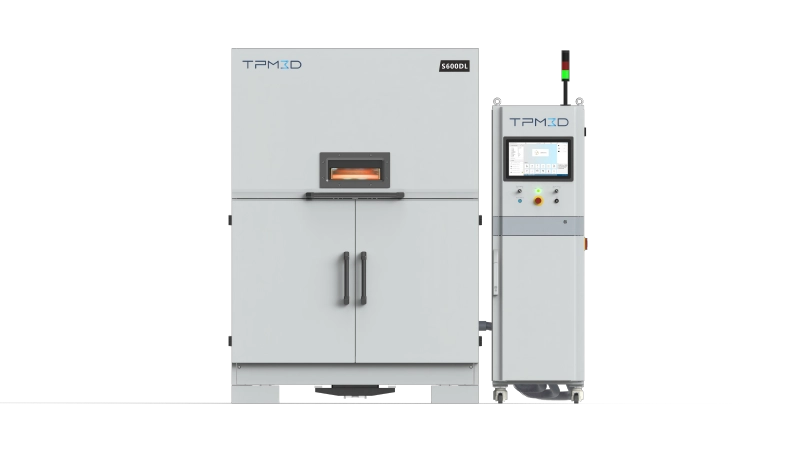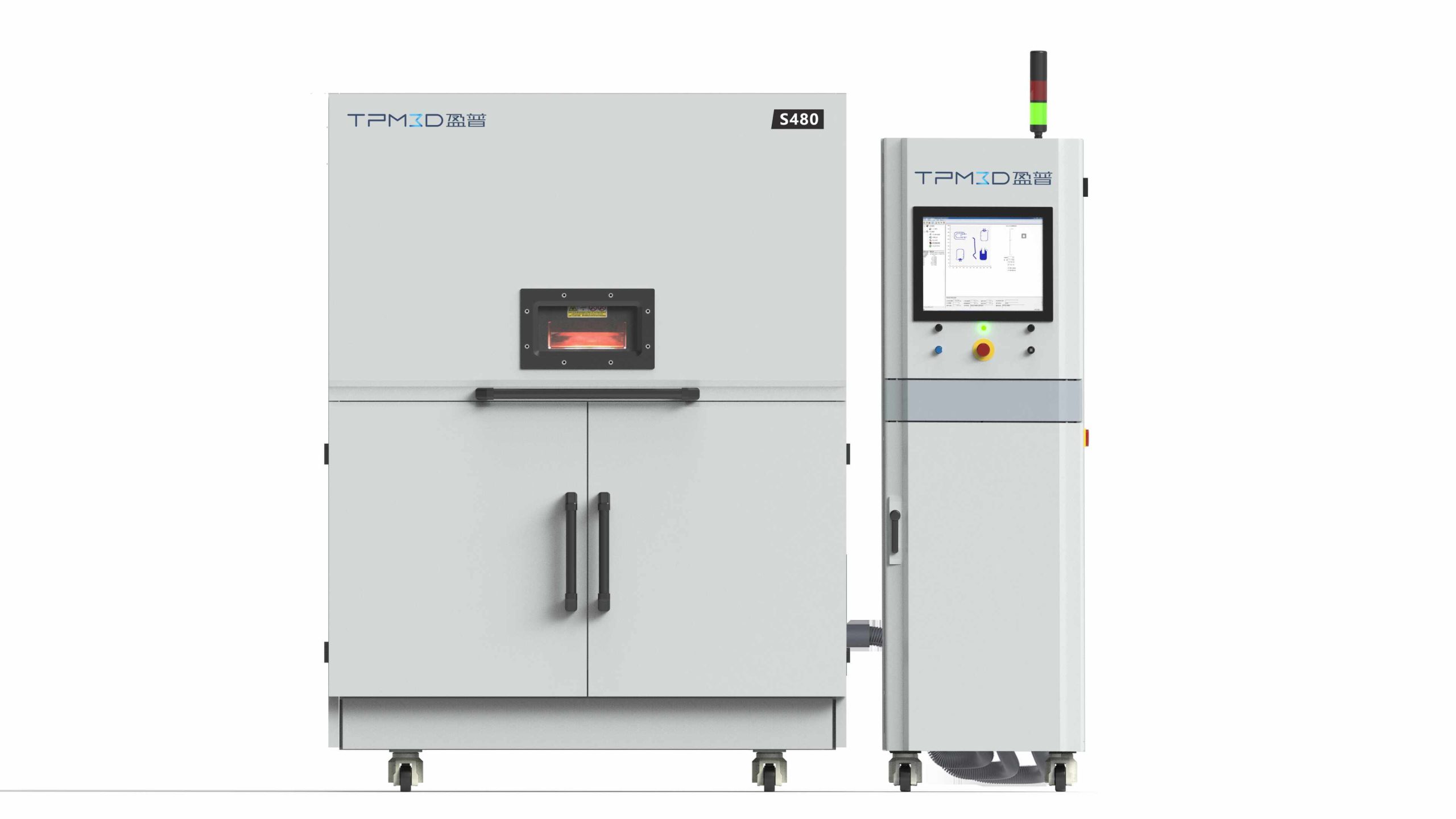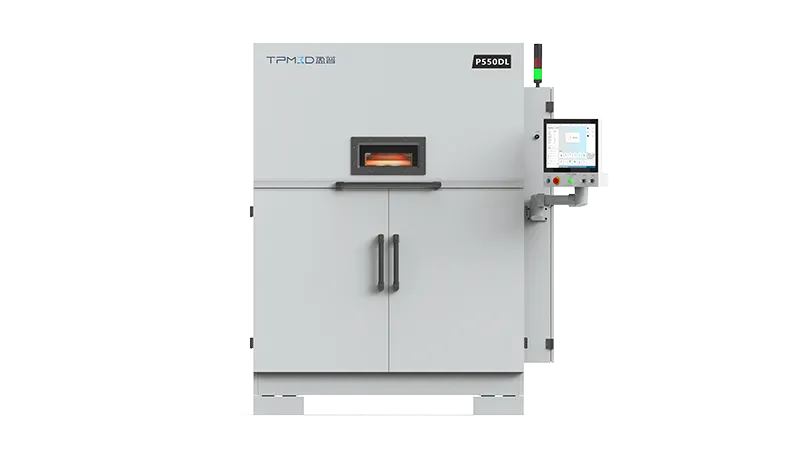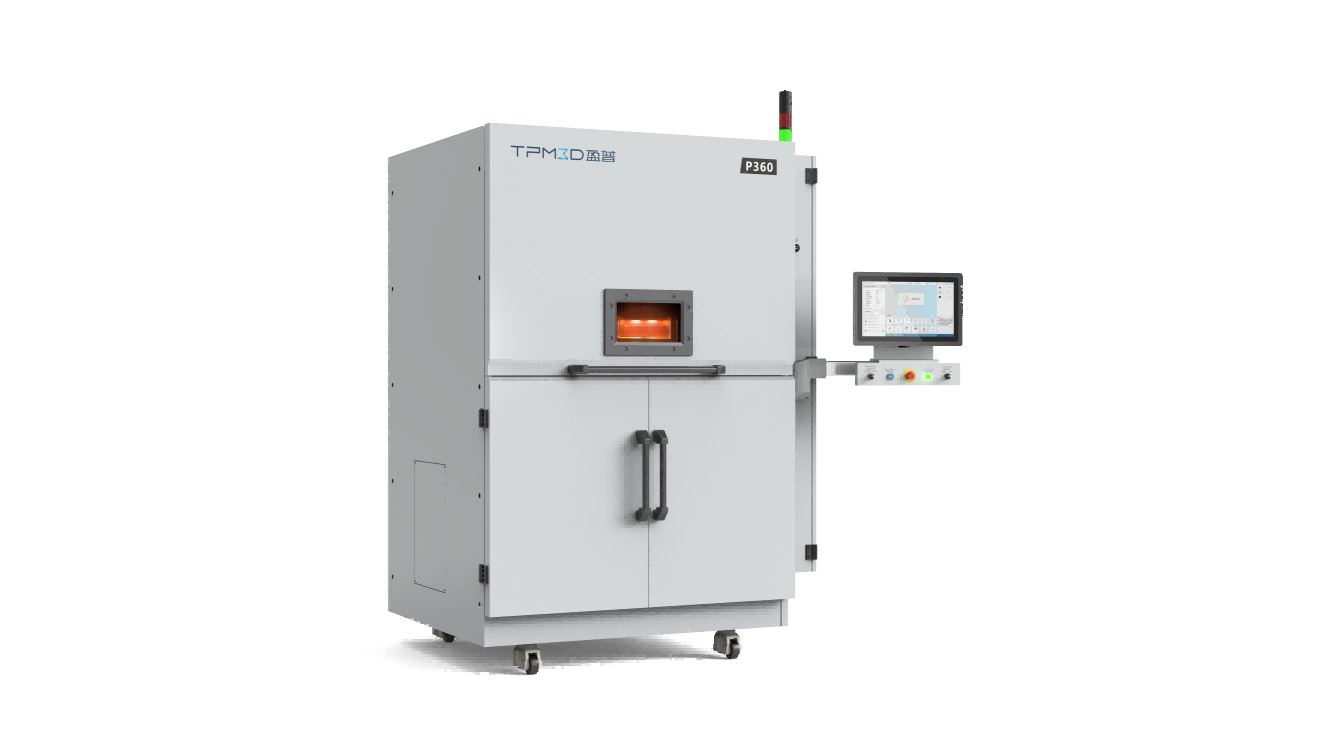
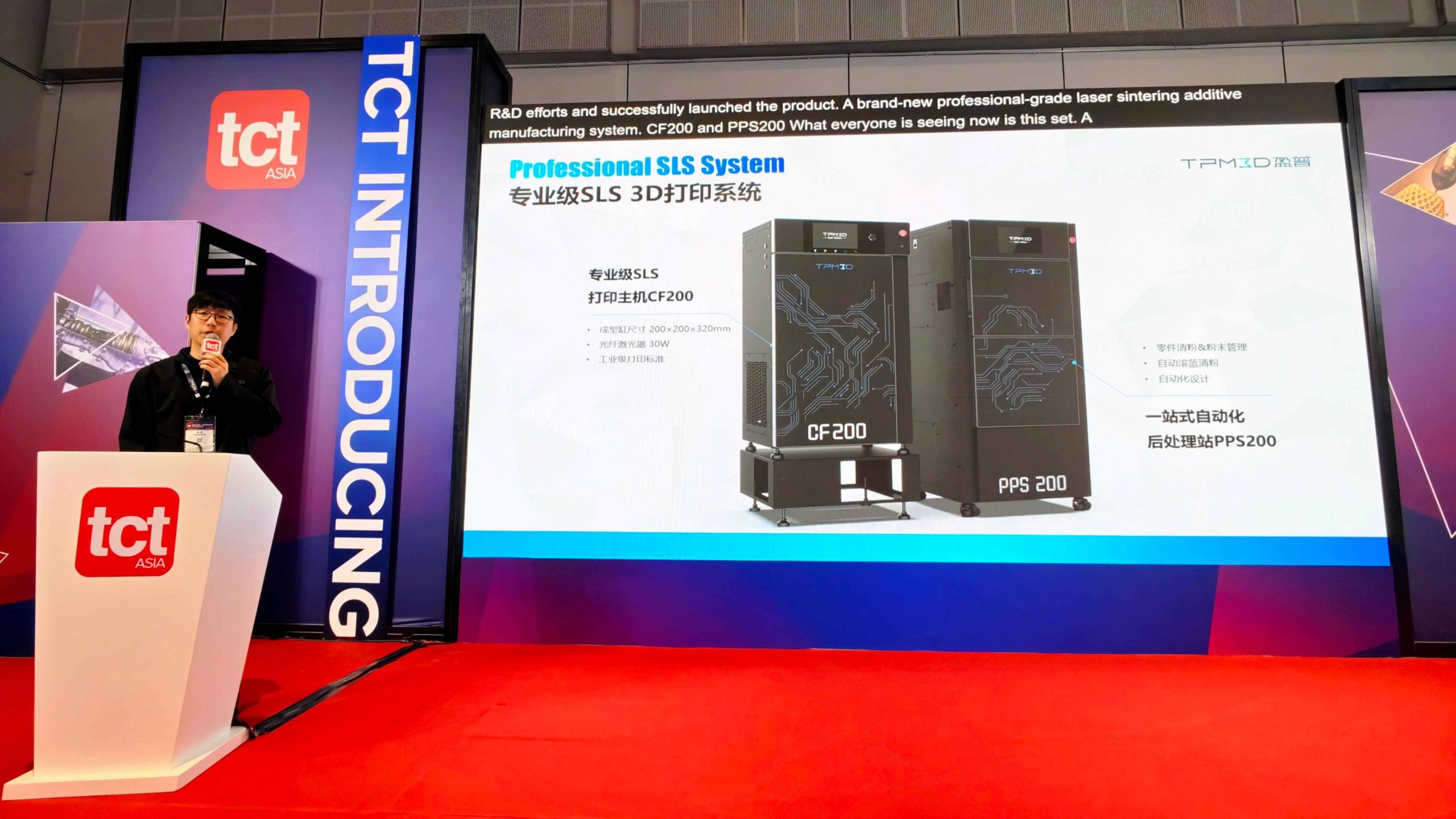
TPM3D announced three major product launches at TCT Asia 2026, reinforcing its position in selective laser sintering (SLS) innovation and full-process manufacturing solutions. The new lineup includes the Asia debut of the CF200 + PPS200 professional SLS system, the global launch of the P360 Ultra industrial SLS 3D printer, and the upgraded PPS V3.0 powder processing workstation.
With more than 20 years of experience in SLS technology, TPM3D aims to deliver a more efficient, safer, and cost-effective 3D printing experience across a wide range of applications—from R&D labs to industrial-scale production.
CF200 + PPS200: Bringing Industrial-Grade SLS into Compact Spaces
The CF200 + PPS200 system is designed for professional users seeking industrial-level performance in a compact setup. The solution maintains high precision and mechanical strength while lowering operational barriers.
Key features include:
- Compact footprint and easy installation: The full system occupies less than one square meter and operates on standard 220V power, making it suitable for laboratories, prototyping workshops, and small-scale production environments.
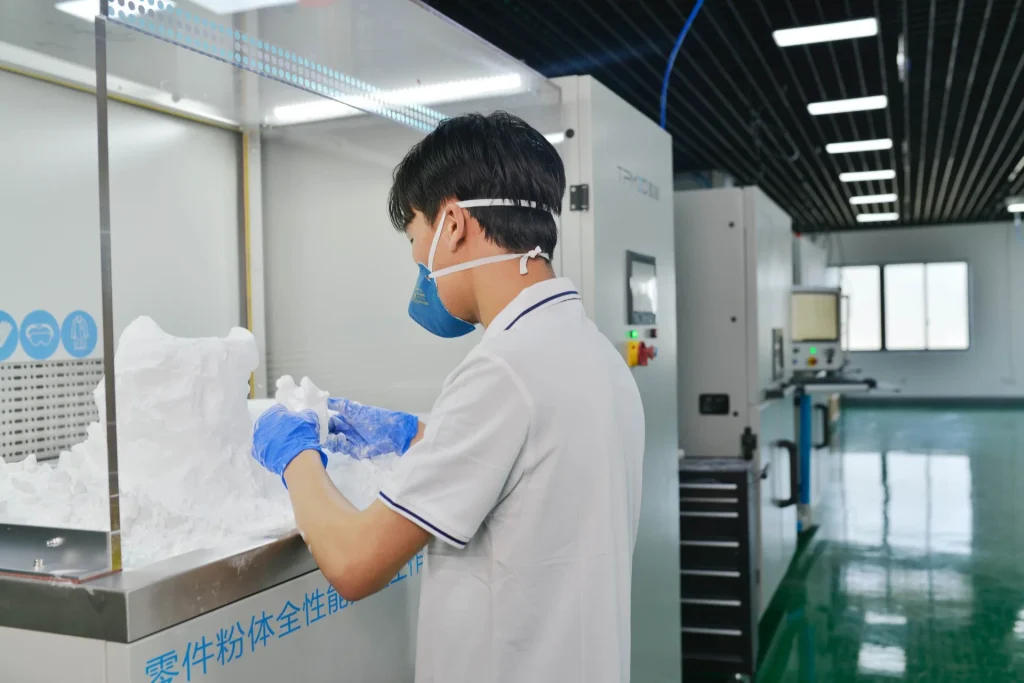
- Closed-loop powder handling: Integrated ventilation and negative-pressure powder recovery minimize user contact with powder, improving safety and cleanliness.
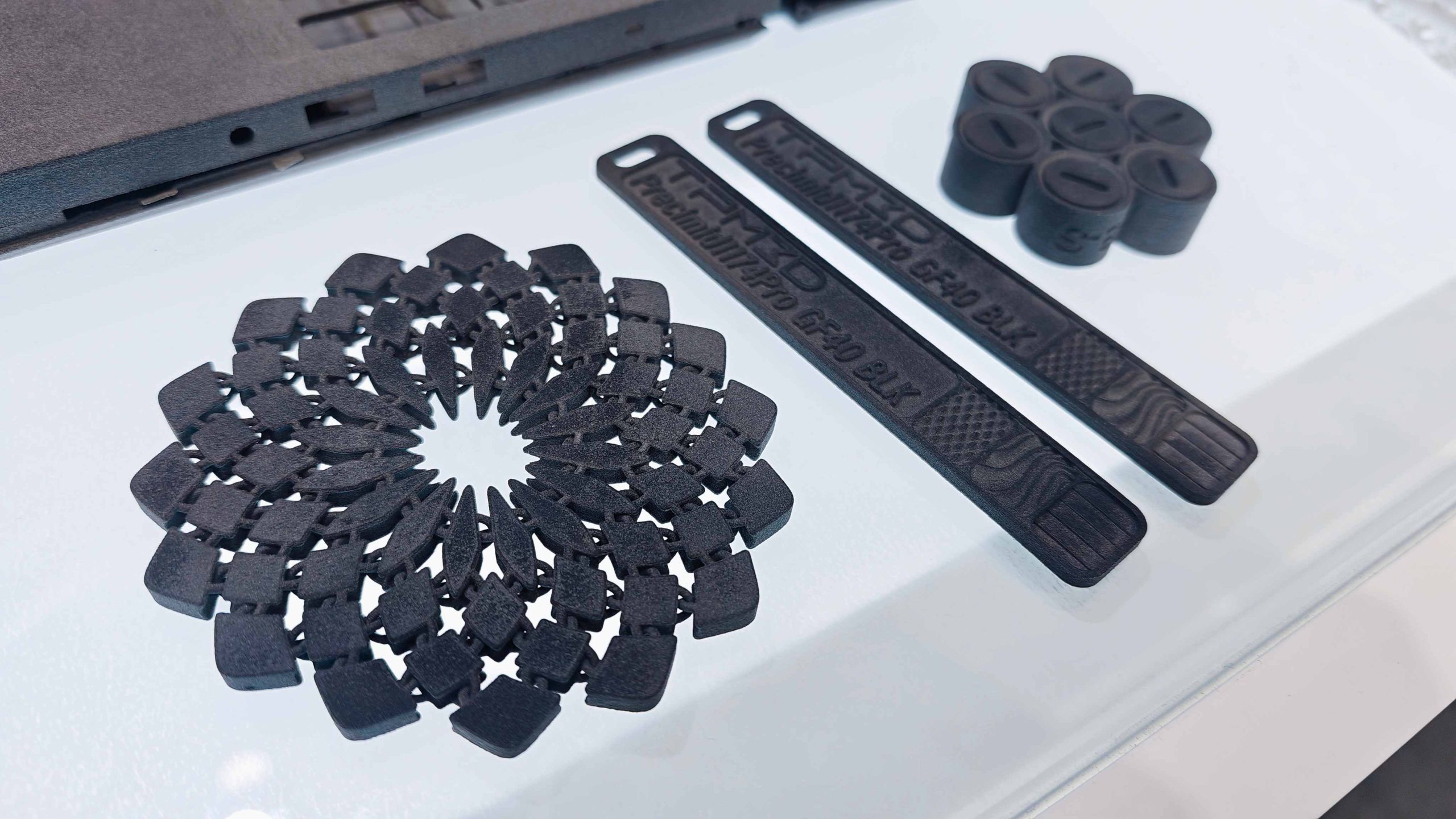
- Fast turnaround without compromise: Industrial-grade print quality, combined with efficient workflows, enables 24-hour delivery, supporting applications in consumer electronics (3C), design, and small-batch manufacturing.
P360 Ultra: Next-Generation Industrial Performance
Making its global debut, the P360 Ultra builds on the strengths of TPM3D’s established P360 platform, introducing improvements in efficiency, stability, and operational cost.
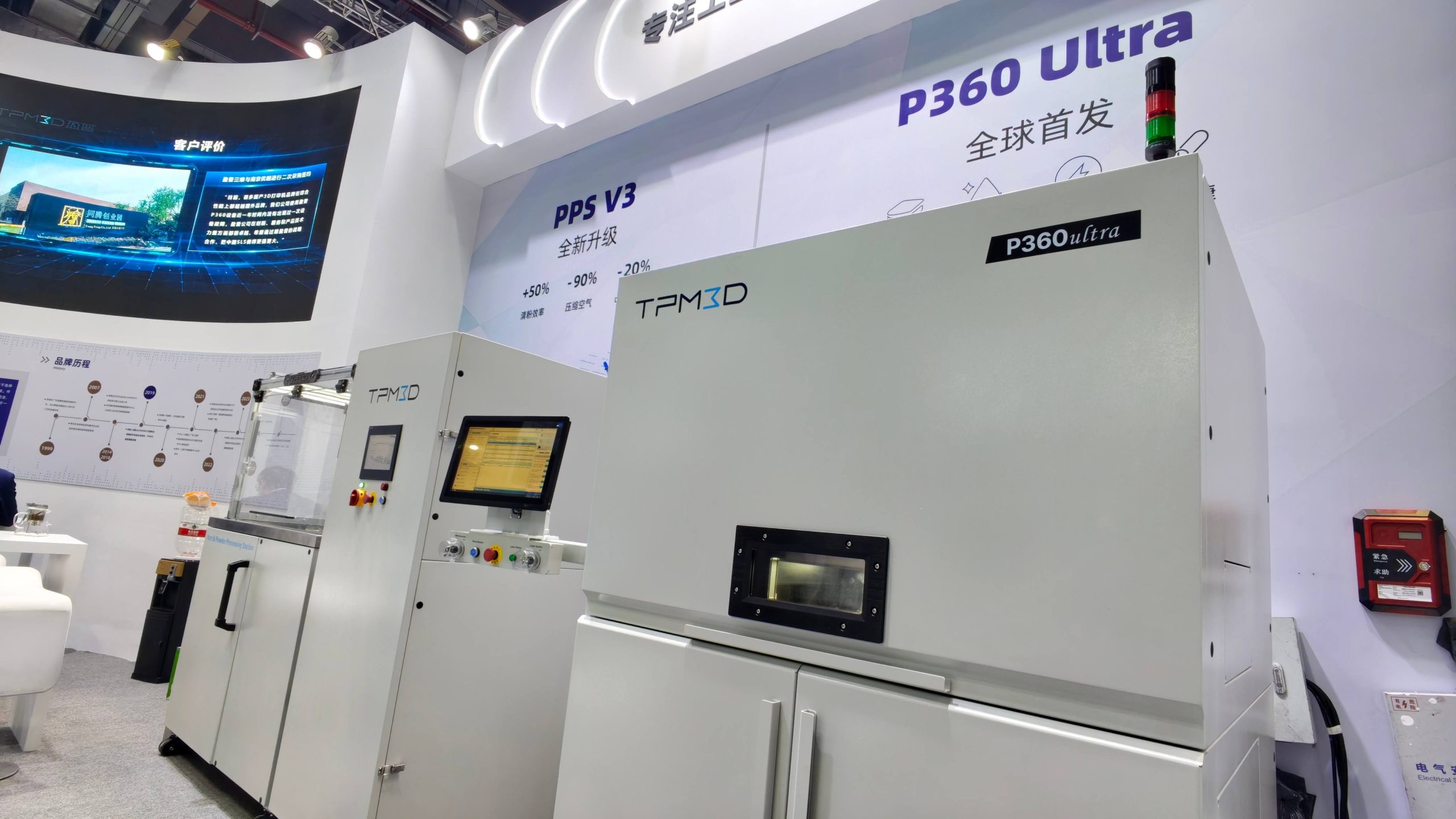
Highlights include:
- More compact design: An optimized structure reduces the footprint by 11%, helping manufacturers maximize factory space.
- Enhanced powder distribution: A redesigned feeding system and high-precision ball screw drive ensure more consistent powder layering and improved print quality.
- Lower energy consumption: Equipped with a modular control system and semiconductor cooling, the system reduces average power usage.
- Scalable production efficiency: A single PPS workstation can support up to four P360 Ultra printers, significantly improving cost efficiency for batch production.
PPS V3.0: Smarter, Cleaner Post-Processing
Post-processing remains one of the most critical—and challenging—stages in SLS workflows. TPM3D’s PPS V3.0 workstation addresses these challenges with an integrated, automated solution.
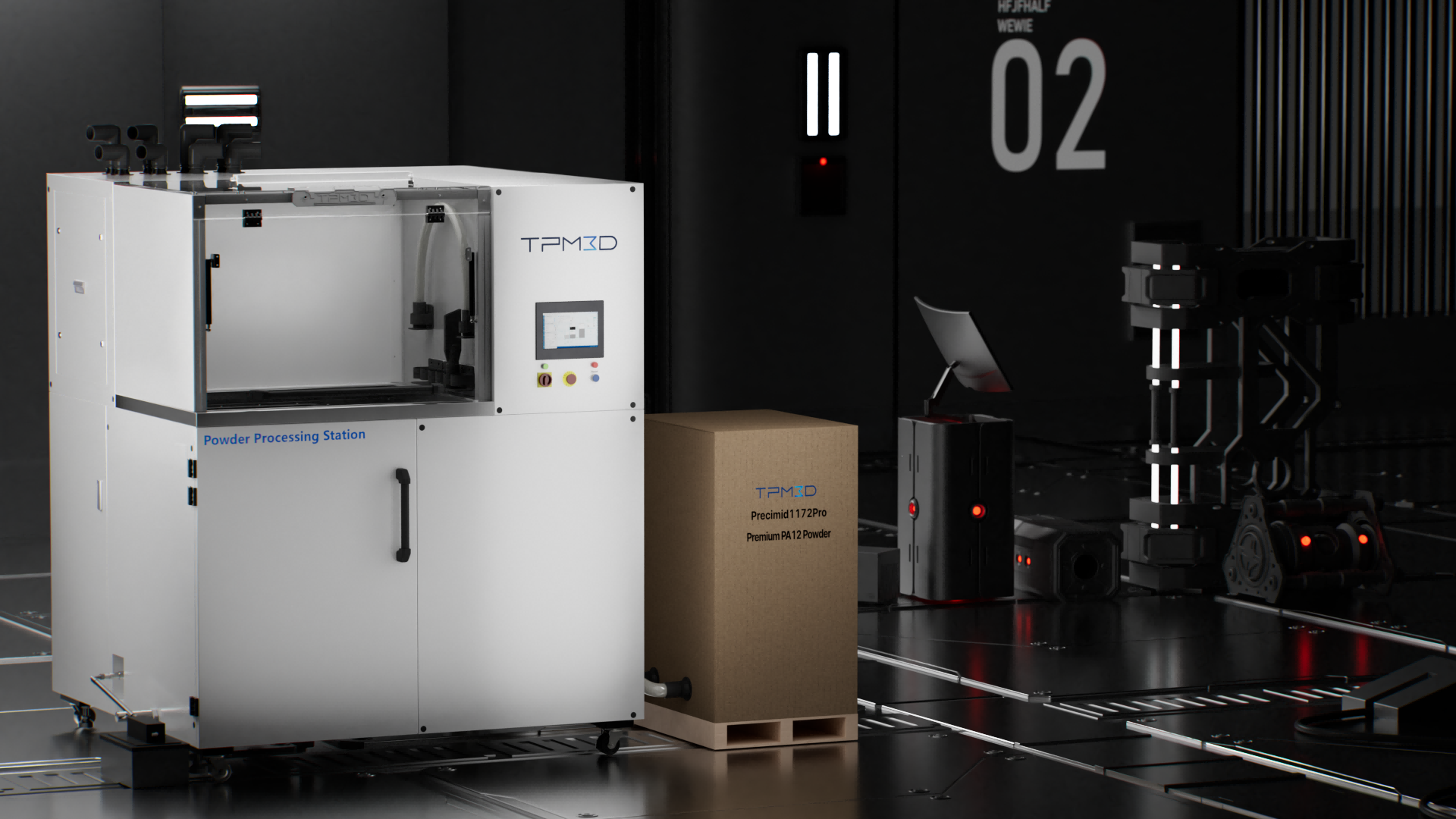
Key advancements include:
- Six-in-one functionality: Combines part cleaning, powder recovery, material feeding, mixing, automatic supply, and dust collection into a single system.
- 50% higher cleaning efficiency: A new negative-pressure pipeline system improves powder removal while reducing dust emissions and material waste.
- Large-capacity, low-contact operation: A 300L powder container supports non-contact feeding and automated sieving for stable material quality.
- Certified safety and sustainability: The system meets CE standards and dust explosion protection requirements (Zone 22), with reduced compressed air usage (down 90%) and noise levels below 70 dB.
One PPS V3.0 unit can support continuous production for two SLS printers, further enhancing workflow efficiency.
Strengthening a Full-Process SLS Ecosystem
With the introduction of these three solutions, TPM3D has further expanded its integrated SLS ecosystem—from printing to post-processing—enabling users to optimize the entire production workflow.
The company’s growing portfolio now supports a wide range of industries, including research, manufacturing, and creative design. Backed by its new smart manufacturing facility in Hefei, TPM3D is positioned to accelerate the adoption of SLS technology from prototyping to scalable industrial production.
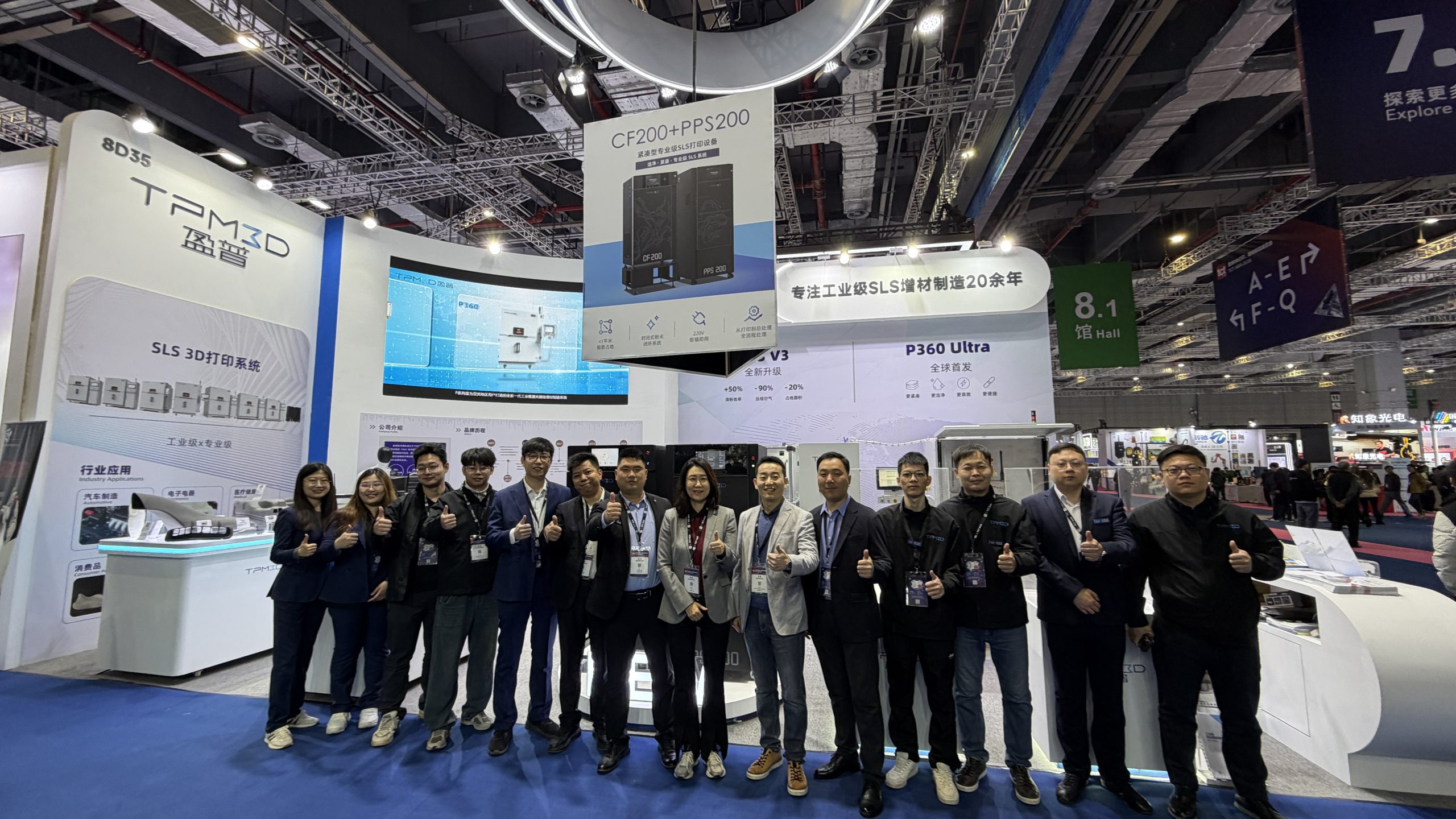
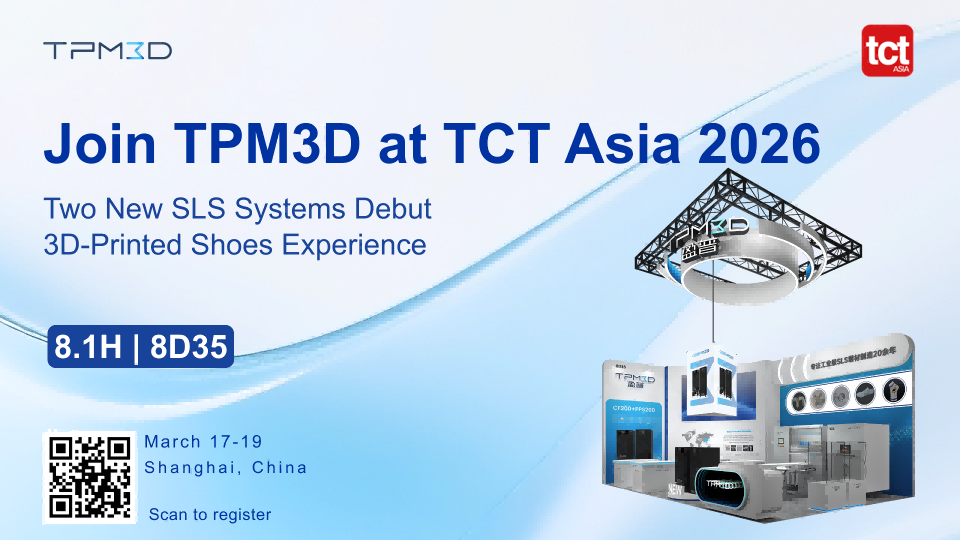
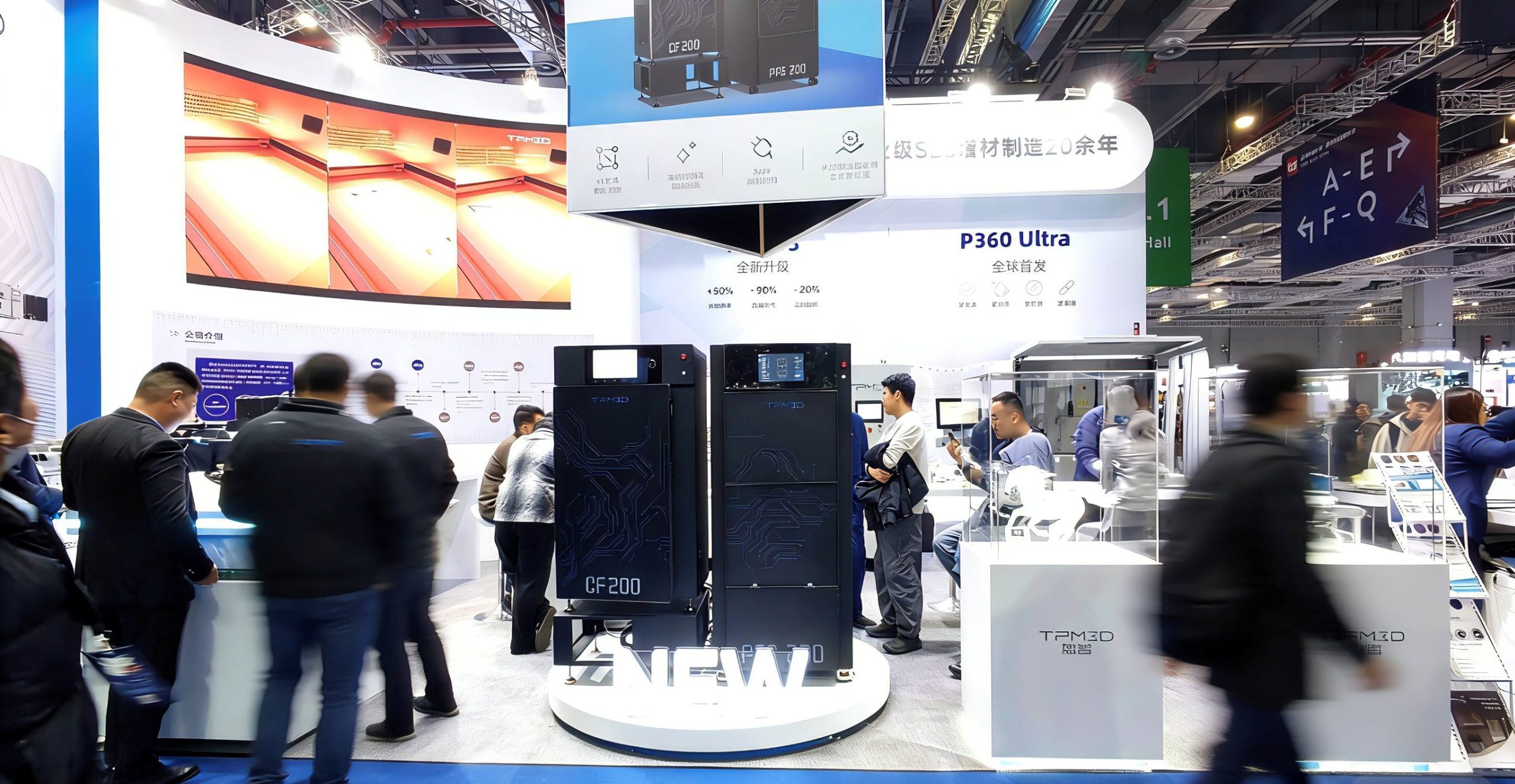
Visit TPM3D at TCT Asia 2026
TPM3D is showcasing its latest innovations at Hall 8.1, Booth 8D35 during TCT Asia 2026. Industry professionals are invited to explore the new systems and discuss application opportunities with TPM3D’s technical team.